
A power outage can make a small battery feel adequate for about an hour. Then the refrigerator needs attention, phones need charging, a sump pump cycles on, or a family member needs a medical device powered overnight. That is where the choice between expandable battery systems vs fixed capacity becomes practical rather than technical. The right setup is the one that covers your real loads now while giving you a sensible path for the needs you may have later.
The Core Difference: Set Capacity or Room to Grow
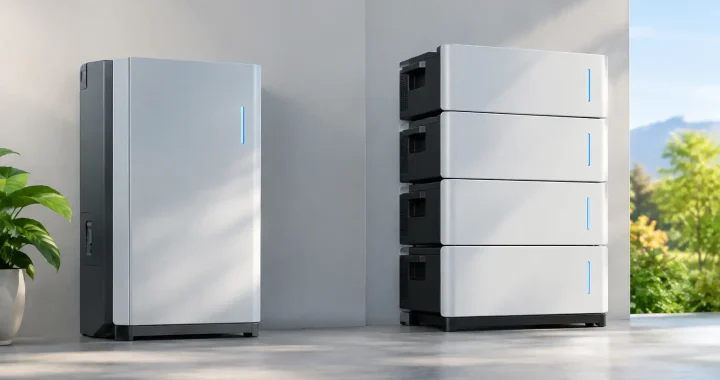
A fixed-capacity portable power station has one built-in battery size. What you buy is what you have, aside from recharging it through wall power, solar panels, a vehicle outlet, or another supported charging method. These units are straightforward: choose the capacity and inverter output you need, charge it, and put it to work.
An expandable system starts with a compatible power station and allows one or more external expansion batteries to be added. The power station manages the system, while the added batteries increase available stored energy, usually measured in watt-hours (Wh) or kilowatt-hours (kWh).
The distinction matters because battery capacity determines runtime, not necessarily what an appliance can start. A 2,000Wh battery may run a 100W device for many hours, but it still needs an inverter with enough continuous wattage and surge capacity to handle a refrigerator compressor, microwave, power tool, or window air conditioner. When comparing systems, look at capacity and output as separate but equally important specifications.
When Fixed Capacity Is the Better Choice
Fixed-capacity power stations are often the right answer when your energy needs are predictable. If you mainly want to charge phones, laptops, lights, cameras, CPAP equipment, a modem, or occasional small appliances, a correctly sized all-in-one unit keeps setup simple and portable.
They also make sense for camping weekends, tailgates, short road trips, and jobsites where you move equipment frequently. One unit is easier to lift, pack, store, and deploy than a larger battery bank with extra cables and modules. For many users, portability is not a secondary detail. A system that is too heavy to move from the garage to the living area is less useful during an actual outage.
Fixed capacity can also be the smarter value when you have a defined runtime target. For example, if you need reliable overnight power for a CPAP machine, or several hours of laptop and communications power during a storm, buying the needed capacity upfront may cost less than investing in a platform built for future expansion.
The trade-off is straightforward: if your needs increase, you cannot add stored energy to that specific unit. You may need to buy a second power station, run devices separately, or replace the original system with a larger model.
Why Expandable Battery Systems Fit Preparedness Plans
Expandable systems are designed for uncertainty. They give homeowners, RV travelers, and off-grid users a way to start with essential backup power and increase capacity when longer outages, added appliances, or changing household needs justify it.
A base unit may be enough to keep communication devices, lighting, internet equipment, and a refrigerator running for a limited period. Add expansion batteries, and the same system can support longer refrigerator runtime, more kitchen appliances, a portable air conditioner, or additional overnight loads. The inverter output does not automatically increase with every added battery, but the available runtime does.
This is particularly valuable for weather preparedness. A brief outage and a multi-day outage demand very different amounts of stored energy. With an expandable platform, you do not have to pay for maximum capacity before you know you need it. You can build in stages while keeping the system compatible and organized.
For RV owners, expansion can separate daily convenience from extended boondocking capability. A base system may handle lights, charging, fans, and entertainment. Extra capacity can make longer stays more realistic, especially when paired with portable solar panels that recharge during daylight hours.
Expandable Battery Systems vs Fixed Capacity for Real Loads
The best choice becomes clearer when you identify what needs power, how much power it uses, and for how long. A useful starting point is to separate essential loads from comfort loads.
Essential loads may include phones, a Wi-Fi router, medical equipment, LED lights, a refrigerator, and a sump pump. Comfort loads can include televisions, coffee makers, microwaves, electric blankets, portable cooling, and other convenience appliances. During an outage, a fixed-capacity station may be ideal for the essentials. An expandable system offers more margin when you want to keep more of the household functioning.
Consider a refrigerator rated around 150W while running. It does not run continuously, but it has a startup surge and cycles throughout the day. A battery with a larger watt-hour rating will run it longer, yet the power station must also have enough surge capability to start the compressor. The same principle applies to pumps, power tools, and air conditioners.
Do not size a system based only on the highest wattage number you see. Add up expected energy use over time. A 60W laptop used for eight hours consumes roughly 480Wh before conversion losses. A 1,000W appliance used for 15 minutes consumes about 250Wh, but it requires an inverter capable of supplying 1,000W while it operates. These are different demands.
The Questions That Prevent an Expensive Mismatch
Before choosing a battery platform, answer three practical questions: What must stay powered? How long must it run? Where will the system be used?
Start with the first question honestly. If your primary goal is charging personal devices and keeping the internet online through short outages, huge capacity may be unnecessary. If you need to protect refrigerated food, operate a CPAP every night, support a well pump, or maintain a mobile workspace, calculate those loads before choosing a system.
Next, account for recharge access. Expansion batteries are most useful when you can recharge the system between periods of use. Wall charging is often the fastest option when grid power is available. Solar charging can extend off-grid runtime, but production depends on panel size, weather, season, sun angle, and available daylight. A battery bank is not an endless power source without a realistic charging plan.
Finally, consider the physical setup. Expansion batteries add weight and require storage space. They are excellent for a garage, cabin, RV compartment, or established backup location, but may be inconvenient for a person who needs to carry power up stairs or pack it into a compact vehicle every weekend.
Look Beyond Capacity Before You Buy
Capacity is only one part of dependable portable power. Check the continuous AC output, surge rating, available outlets, solar input limits, recharge speed, battery chemistry, and expansion limit of the exact model.
LiFePO4 battery systems are a strong fit for preparedness because they are built for long cycle life and stable performance. Pure sine wave AC output is also valuable for sensitive electronics and motor-driven appliances. For expandable models, confirm that the expansion battery is specifically compatible with the power station. Battery modules are not universal, even when their capacity ratings look similar.
It is also wise to plan for usable capacity rather than assuming every listed watt-hour will reach your appliance. Conversion losses occur when battery DC power is changed to AC power, and some devices consume more than their label suggests during startup or heating cycles. A little reserve is not wasted capacity. It is the margin that keeps a plan working when conditions are less than ideal.
Choose the System That Matches Your Next Outage
Choose fixed capacity when your loads are light, your runtime needs are known, and portability matters most. Choose an expandable platform when power needs may grow, outage duration is uncertain, or you want one system that can begin with essentials and later support more of your home, RV, or worksite.
For many households, the most practical approach is to secure reliable power for critical devices first, then add capacity once the real-world needs are clear. A prepared system does not need to power everything at once. It needs to keep the right things running when stable power is no longer guaranteed.
