
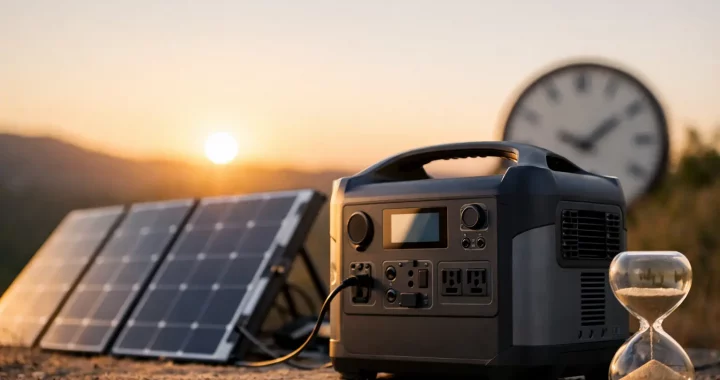
When the grid drops in the middle of a storm, the question usually is not whether your backup power works. It is how long does a solar generator last when you need it most, and how many years will it keep showing up when the power is not stable.
The short answer is that a solar generator can last anywhere from 3 to 15 years, depending on battery chemistry, usage habits, storage conditions, and build quality. For runtime on a single charge, it may last a few hours or several days, depending on battery size and what you are powering. Those are two different kinds of lifespan, and both matter if you are buying for outage protection, RV travel, jobsite use, or off-grid support.
What “last” really means for a solar generator
A lot of confusion comes from the word “last.” Some buyers mean runtime – how long the unit can power a fridge, CPAP, laptop, or window AC before the battery is empty. Others mean service life – how many years the system will remain dependable before the battery capacity drops too far or other components start to wear out.
A solar generator is really a system made up of a battery, inverter, charge controller, ports, and often solar panels sold as part of a package. The battery usually determines the long-term lifespan. The inverter and electronics matter too, but battery chemistry is usually the biggest factor in how long the unit stays useful.
How long does a solar generator last by battery type?
If you are comparing products, the battery chemistry tells you a lot.
Older portable power stations built with lead-acid batteries tend to have the shortest life. They are heavier, less efficient, and more sensitive to deep discharge. In practical terms, many lead-acid based systems may last around 3 to 5 years with careful use, sometimes less if they are drained hard and stored poorly.
Lithium-ion models generally last longer and perform better. Many standard lithium-ion units can deliver several hundred to around 1,000 charge cycles before noticeable capacity loss becomes a concern. For moderate users, that can translate to several years of service.
LiFePO4, also called lithium iron phosphate, is now the preferred chemistry for many higher-quality solar generators. It is well suited for backup power because it offers longer cycle life, better thermal stability, and more consistent long-term performance. Many LiFePO4 systems are rated for 2,000 to 3,500 cycles or more before dropping to around 80% of original capacity. In real ownership terms, that often means 8 to 15 years of useful life, depending on how often you cycle it.
That is one reason many buyers looking for dependable emergency backup choose lithium-based systems with LiFePO4 batteries. They cost more upfront in some cases, but the longer service life can make the value much better over time.
Runtime depends on battery size, not just quality
If your main concern is how long the unit will run during an outage, battery capacity matters more than age alone. Capacity is usually measured in watt-hours. A 1,000Wh power station can theoretically run a 100-watt device for about 10 hours, but real-world runtime is usually lower because inverter losses and surge demands reduce efficiency.
A small setup might keep phones, lights, and a router running overnight. A larger system with expansion batteries can support a refrigerator for many hours, or longer if you are conservative with loads. Add solar input during daylight, and the system may keep essential devices going for multiple days.
This is where buyers need to separate marketing from actual use. A solar generator does not create endless power on its own. It stores energy, then refills from wall charging, car charging, or solar panels. Runtime depends on three variables working together: battery capacity, your total load, and how much solar recharge you get each day.
What shortens the life of a solar generator?
Even a well-built unit can age faster under the wrong conditions. Heat is one of the biggest enemies. If a power station lives in a hot garage, truck cab, shed, or RV compartment for long stretches, battery degradation can accelerate.
Deep discharges also add wear. Running the battery from 100% to 0% over and over is harder on most systems than lighter cycling. LiFePO4 handles this better than many other chemistries, but gentler use still helps.
Fast charging creates a trade-off too. Quick recharge is convenient and valuable during emergencies, but frequent high-speed charging can add heat and stress over time if the system is not well managed. Better units are designed for this, but it is still a factor.
Poor storage habits also matter. Leaving a battery fully drained for weeks or months is one of the easiest ways to shorten lifespan. If you are storing a unit between seasons or emergency use, keeping it at the recommended charge level and checking it periodically makes a real difference.
Dust, moisture, and physical impact can also reduce service life, especially for users who take portable power to campsites, jobsites, and tailgates. A solar generator is easier to maintain than a gas generator, but it is still equipment, and equipment lasts longer when it is treated that way.
How long does a solar generator last in real-world use?
For a homeowner who mainly keeps a unit charged for storms and only cycles it occasionally, a quality LiFePO4 solar generator may remain useful for a decade or more. For an RV traveler or off-grid user cycling the battery almost every day, the unit may reach its rated cycle count much sooner in calendar years, even though it is still doing exactly what it was built to do.
That is why usage pattern matters more than simple age. A five-year-old backup unit used a few times each year may have plenty of life left. A two-year-old unit used daily for heavy loads may show more capacity loss already.
Capacity loss itself is normal. Batteries do not usually fail all at once. They gradually hold less energy. A unit that started at 2,000Wh may still work well after years of use, but perhaps it now delivers 1,600Wh or 1,700Wh. For phone charging and lights, that may not matter much. For refrigerators, medical devices, or longer overnight loads, it matters more.
Signs your solar generator is aging
You usually get warning signs before a unit becomes unreliable. The most common is shorter runtime. If your usual devices are draining the battery noticeably faster than before, battery capacity may be dropping.
You may also notice slower or inconsistent charging, unusual fan behavior, port issues, error messages, or the inverter struggling with loads it used to handle comfortably. In some cases, the battery is still healthy and the issue is elsewhere, but these are signs worth paying attention to.
If reliability is critical, especially for outage planning or medical support, test your system before storm season. Run the loads you expect to use and verify actual runtime. Preparedness works better when you find limitations before an emergency instead of during one.
How to make a solar generator last longer
The good news is that lifespan is not just set at the factory. Owner habits matter.
Store the unit in a cool, dry place. Avoid letting it sit empty. If the manufacturer recommends keeping it around a partial charge for storage, follow that guidance. Use the system periodically instead of forgetting about it for a year. Recharge after emergency use, and do not leave it in extreme heat or freezing conditions longer than necessary.
It also helps to size the system correctly. An undersized unit pushed to its limit every weekend will wear harder than a properly sized setup with some margin. If you expect to run larger appliances, expansion batteries or a higher-capacity model may improve both performance and long-term durability.
Buying quality matters too. Better battery management systems, stable inverters, and dependable thermal control all support longer service life. That is why serious buyers often focus on reputable lithium platforms instead of the cheapest option on the page. At Thundervolt Power, that is a big part of the value in curated portable power systems built for real backup use, not just occasional gadget charging.
So, how long should you expect one to last?
A practical expectation is this: a lower-end or older battery setup may give you 3 to 5 years, a standard lithium unit may give you 5 to 8 years, and a quality LiFePO4 solar generator can often deliver 8 to 15 years of useful service. Runtime per charge may range from hours to days depending on the battery size and your load.
That wide range is not a dodge. It is the reality of how portable power works. The right question is not just how long does a solar generator last. It is whether the system you choose is built for the way you actually plan to use it.
If your goal is dependable backup when weather hits, buy for battery chemistry, usable capacity, and long-term reliability first. A solar generator should not just power your devices on day one. It should still be ready when the next outage, road trip, or off-grid weekend shows up.
