
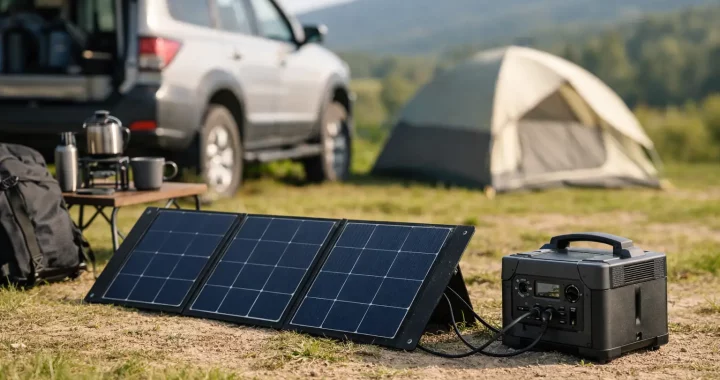
A portable solar panel can feel simple until you set it out, plug it in, and realize charging speed depends on more than sunlight alone. If you want to know how to use portable solar panels effectively, the real job is matching the panel, angle, connector, and power station to the conditions you actually have.
That matters whether you are keeping phones charged at camp, topping off a power station during an outage, or stretching battery runtime in an RV. Portable solar works well when the setup is sized correctly and used with a little intention. Used casually, it still helps. Used properly, it becomes a dependable part of your backup power plan.
How to use portable solar panels for reliable charging
Start with compatibility. A portable solar panel does not send power in a generic way to every device. Most people use these panels with a portable power station or solar generator, not by plugging straight into household electronics. The panel collects solar energy as DC power, and the power station accepts that input through a specific solar charging port.
Before you unfold anything, check three things: the panel wattage, the panel voltage and connector type, and the input limits of your power station. If your power station accepts up to 200 watts of solar input, connecting more panel than it can handle may not improve charging. If the voltage range is wrong, the system may not charge at all. This is where many first-time users get stuck.
In practical terms, using portable solar panels usually looks like this: unfold the panel in direct sun, connect its output cable to the solar input on your power station, and confirm on the display that charging has started. That is the basic process. The better results come from setup details.
Pick the right location first
Portable panels need direct sunlight, not bright shade. A driveway, campsite clearing, open yard, tailgate lot, or exposed roof section of an RV can work well. The main thing is avoiding partial shade from trees, mirrors, vents, fences, or even a chair leg. A small amount of shade can reduce output more than most people expect.
Heat also plays a role. Panels need sun, but extremely high panel temperatures can reduce efficiency. You cannot control the weather, but you can avoid laying panels flat on hot asphalt if another cooler, equally sunny surface is available.
Aim the panel, do not just place it
One of the easiest ways to improve charging is to angle the panel toward the sun instead of leaving it flat. Many folding panels include kickstands for exactly this reason. Point the face of the panel toward direct sunlight and adjust it through the day if you need the best output.
If you are charging casually while hiking, tailgating, or spending a few hours outside, a rough angle is fine. If you are trying to recharge a large power station during an outage, angle matters a lot more. Morning and afternoon output can drop quickly when the panel is not facing the sun well.
Connect in the correct order
For most setups, place and position the panel first, then connect it to the power station. Once connected, check the screen or app to confirm incoming wattage. If you see little or no input in full sun, the issue is usually one of four things: a loose connection, incompatible voltage, panel shading, or poor panel angle.
Keep cable runs tidy and avoid stressing connectors. Portable gear is built for travel, but repeated strain on solar cables can cause wear over time.
What portable solar panels work best with
Portable solar panels are most useful when paired with a battery system. A panel by itself only produces power when the sun is available. A portable power station stores that energy so you can use it later for lights, communication, refrigeration, fans, routers, tools, or medical support devices, depending on the system size.
For smaller needs, such as phones, tablets, camera batteries, and lights, a compact panel can be enough. For larger needs, such as CPAP machines, laptops, mini fridges, or extended outage backup, you need to think in terms of both panel wattage and battery capacity. A higher-capacity power station with fast solar input gives you more practical resilience than a panel alone.
This is where it helps to think beyond the panel. The panel is the fuel source. The battery is what makes that fuel useful when conditions change.
How to use portable solar panels efficiently
Efficiency is not only about panel quality. It is mostly about avoiding preventable losses.
The first loss is bad sun exposure. Full direct sun around midday produces the strongest output. Cloud cover, winter sun angles, smoke, haze, and shade all reduce charging speed. That does not mean portable solar stops being useful in poor conditions. It means expectations should change. A 200-watt panel rarely delivers its full rated output all day long.
The second loss is mismatched equipment. If your panel can produce more than your power station can accept, some potential input goes unused. If your power station supports higher solar input than your panel provides, charging will still work, but more slowly.
The third loss is poor battery planning. If you wait until your battery is almost empty and then start charging late in the day, you may not recover enough power before sunset. During outages or off-grid trips, it is smarter to recharge whenever sun is available rather than waiting until you are low.
Know what charging time really means
Charging time depends on panel size, weather, season, and battery size. A small power station may recharge in a few hours with strong solar input. A large-capacity unit can take much longer, especially if your panel array is undersized.
Think in daily energy terms. If your essentials use 500 watt-hours per day, your solar setup needs to replace roughly that amount, plus some margin for conversion losses and inconsistent weather. This is a more useful way to plan than assuming a panel’s nameplate wattage tells the full story.
Common mistakes when using portable solar panels
The most common mistake is expecting household-generator performance from a small panel setup. Portable solar is quiet, clean, and low maintenance, but it is still limited by sunlight and charging time. It works best when your power use is realistic.
Another mistake is using the wrong adapter or connector. Many panels rely on MC4-style connectors, while power stations may need a specific adapter. If the plug does not match, do not force it. Use the correct cable for your unit.
Users also run into trouble by placing panels indoors near windows. Sun through glass is not the same as direct outdoor exposure, and output drops sharply. In an emergency, a window setup may give minimal charging, but it should not be your main plan.
Storage is another overlooked point. Fold the panel carefully, keep connectors clean and dry, and avoid storing the unit where moisture, abrasion, or heat can damage materials over time.
When portable solar panels make the most sense
Portable solar panels are especially useful when noise, fuel storage, or mobility matter. That includes camping, RV travel, remote work, field jobs, tailgating, and home backup during daylight hours. They are also a practical addition to a preparedness setup because they let you recharge without relying on gas deliveries or running an engine.
That said, there are trade-offs. If you need overnight whole-home power or continuous support for heavy appliances, portable solar alone may not be enough. In those cases, a larger battery system, more panel capacity, or a broader backup strategy may be necessary. The right answer depends on what you must keep running and for how long.
For many households, the strongest setup is not all-or-nothing. It is a portable power station paired with correctly sized portable panels, ready for outages, travel, and everyday flexibility. That gives you quiet energy during the day and stored power when conditions are less predictable.
If you are building a more dependable backup plan, portable solar panels are not hard to use. They just reward good setup, realistic expectations, and equipment that fits the job. Get those pieces right, and solar becomes less of a gadget and more of a reliable source of power when stability matters most.
