
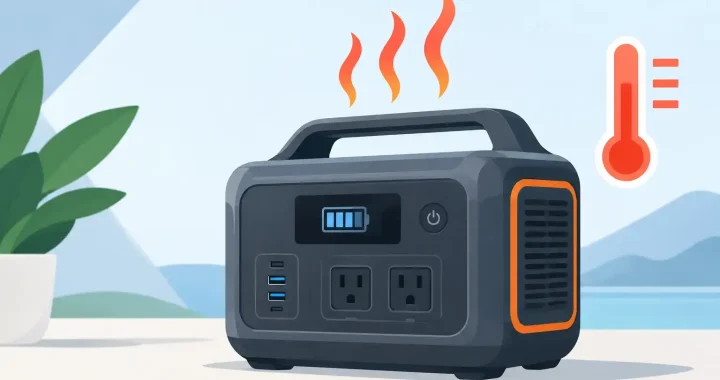
A portable power station can be a quiet, dependable answer when the grid goes down, but it still needs reasonable operating conditions. Will power stations overheat? Yes, they can – especially during high-demand use, fast charging, or extreme summer temperatures. Quality units are built with battery management systems and temperature protections, yet correct placement and realistic load planning remain essential for dependable backup power.
Heat is not a reason to avoid portable battery power. It is a reason to set it up with the same care you would give any critical electrical equipment. A power station running a refrigerator during an outage or supporting devices in an RV should have airflow, shade, and a workload that matches its rated capability.
Will Power Stations Overheat During Normal Use?
Under normal conditions, a properly sized power station should manage its own temperature without trouble. The inverter, battery cells, charging circuits, and cooling fans are designed to work together. As internal temperature rises, many modern units increase fan activity, reduce charging or output performance, or shut down temporarily before heat can cause damage.
That protection matters, but it does not mean a unit can operate indefinitely in direct sun, inside a closed vehicle, or under a continuous near-maximum load. Portable power stations have limits just like refrigerators, air conditioners, and other appliances. The exact operating temperature range varies by model, so the owner’s manual should always be the final reference.
Most overheating concerns come down to a combination of ambient heat and electrical demand. A station running a few phones and a laptop on a shaded campsite faces a very different challenge than one powering a window air conditioner from the bed of a truck on a 100-degree afternoon.
What Makes a Power Station Run Hot?
High output is the most common cause. When a power station converts battery energy into household AC power, its inverter produces some heat. The closer the load gets to the unit’s continuous wattage rating, the harder that inverter must work. Running a high-watt appliance for a short period may be perfectly acceptable, while operating near the limit for hours in hot weather can raise internal temperatures significantly.
Fast charging can also create heat. AC fast charging, high-input solar charging, and charging while simultaneously powering appliances all place demands on the system. This does not automatically make the setup unsafe. It simply means ventilation becomes more important, particularly when the unit is recharging quickly after an outage.
Outside conditions matter just as much. Direct sunlight can heat a dark power station enclosure far beyond the displayed air temperature. A sealed SUV, RV compartment, garage corner, or storage tote can trap heat around the intake and exhaust vents. Dust, pet hair, blankets, and loose gear can create the same problem by restricting airflow.
Battery chemistry also affects temperature behavior. Many backup systems use LiFePO4 batteries because they offer long cycle life and strong thermal stability compared with some other lithium-ion chemistries. Even so, no battery should be treated as heat-proof. High heat can accelerate battery aging, reduce available capacity temporarily, and trigger protective shutdowns.
Solar Charging Is Not the Same as Leaving the Station in the Sun
Portable solar panels belong in the sun. Your power station usually does not. Position the panels where they receive maximum light, then place the station in shade with the solar cable routed safely between them. This simple setup can make a major difference during summer outages and off-grid trips.
If shade is limited, use a ventilated covered area rather than wrapping the unit in a towel or placing it in a closed container. Covers that block vents can make the problem worse. The goal is protection from direct sun while allowing air to move freely around the case.
Warning Signs That Need Attention
A warm exterior is not always a problem. Power electronics naturally generate some heat, and fan noise during charging or high output is often normal. The concern is a station that becomes unusually hot, repeatedly shuts down, or shows a temperature-related warning.
Pay attention to these signs:
- A temperature warning icon, error message, or automatic shutdown
- Fans running constantly at high speed while loads are modest
- Output that cuts off or cycles on and off during appliance use
- A case that is too hot to comfortably touch for more than a moment
- A noticeable burning smell, smoke, swelling, leaking, or damaged casing
If you see a temperature warning, disconnect or reduce the load and move the unit to a cooler, dry, ventilated area. Allow it to return to a normal temperature before charging or using it again. If there is smoke, swelling, leaking, a burning odor, or physical damage, turn the unit off if it is safe to do so, disconnect it from power, keep people away from it, and contact the manufacturer or qualified support team. Do not continue charging a damaged battery system.
How to Prevent Overheating During an Outage
The best approach is to plan for heat before severe weather arrives. Place the station on a firm, level surface with clearance around its vents. Keep it out of direct sunlight and away from heat sources such as grills, vehicle exhaust, radiators, and running gas generators. Avoid placing it on bedding, carpet with deep pile, or other soft surfaces that can cover air intakes.
Match the station to the job. Check both the appliance’s running watts and its surge requirement before connecting it. A refrigerator may use modest power once running but need a brief startup surge. A window air conditioner may require far more continuous wattage and consume battery capacity quickly. If your essential load is expected to run for many hours, a larger-capacity system or an expandable battery configuration can reduce strain and extend runtime.
It also helps to manage loads in stages. During an outage, prioritize refrigeration, communications, lighting, medical equipment, and other essentials. Run high-draw devices one at a time when possible. For example, charge tools or cook with an electric appliance before starting a heavy cooling load, rather than asking the power station to support everything at once.
Charging habits matter, too. If a station is already working hard in a hot space, consider waiting to begin fast AC charging until the temperature drops or the load is reduced. When using solar, check the display periodically for input, output, and temperature alerts. A station with a clear view of its status is easier to manage than one buried behind camping gear or stored in an enclosed compartment.
Do Not Store It in a Hot Car
A parked vehicle can reach temperatures well above the outdoor reading in a short time. Never leave a power station in a hot, closed vehicle for extended periods, even if it is switched off. The same caution applies to unconditioned sheds, attics, and enclosed trailers during peak summer heat.
For longer-term storage, follow the manufacturer’s guidance on charge level and temperature. Store the unit in a dry, moderate-temperature location and inspect it before storm season. A quick readiness check – charge level, cables, vents, display, and connected essentials – is far easier than troubleshooting when the lights are already out.
When Heat Protection Shuts a Station Down
An automatic shutdown can be frustrating during a blackout, but it is usually a safety feature doing its job. Let the system cool naturally in a ventilated area. Do not put ice packs directly on the enclosure, spray it with water, or place it in a refrigerator or freezer. Rapid temperature changes and moisture can introduce new problems for electronics and battery components.
Once cooled, restart with a lighter load. If the station resumes normal operation, review the conditions that led to the shutdown: Was it in the sun? Were vents blocked? Was an appliance drawing more power than expected? Was it charging and discharging heavily at the same time? Those answers will usually point to a practical fix.
If overheating occurs repeatedly under normal indoor temperatures and modest loads, stop relying on the unit for critical power until the issue is resolved. A power station intended for emergency readiness should be predictable. Repeated fault messages, unusual fan behavior, or unexpected shutdowns deserve manufacturer support rather than guesswork.
Prepared power is not only about watt-hours and outlet count. It is also about giving your equipment the conditions it needs to perform when you need it most. Keep the station cool, clear, dry, and sized for the load, and it can remain a steady source of quiet power through summer heat, storm outages, and long days away from the grid.
