
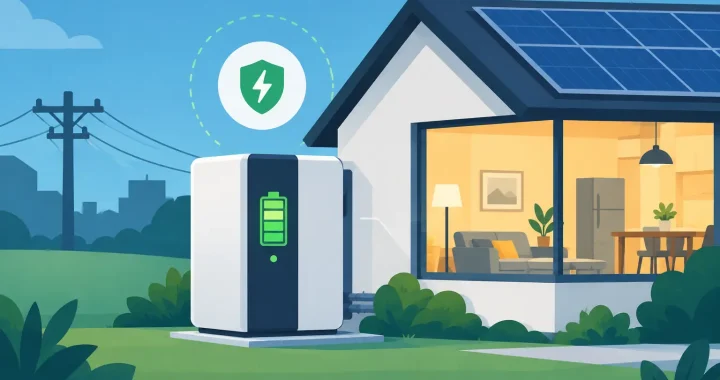
A backup power station is most valuable when the grid fails at the worst possible time: during a storm, overnight, or when a critical device needs to stay running. Battery backup safety starts before an outage, with a system sized for your real loads, placed correctly, and operated within its limits. Unlike a gas generator, a lithium power station produces no exhaust and runs quietly, but it still stores substantial energy and deserves careful handling.
For homeowners, RV travelers, and off-grid users, the goal is simple: dependable power without creating a new hazard. A few practical decisions around placement, charging, connections, and storage can protect your equipment, your home, and the people relying on it.
Start With a Safe Location
Place a portable power station on a stable, level, dry surface with open space around its vents. A garage workbench, utility room floor, covered patio, or RV cabinet can work well if the area stays dry and does not trap heat. Keep the unit out of direct sun and away from heaters, fireplaces, stoves, and other heat sources.
Do not bury a battery backup under blankets, clothing, gear, or storage bins. The inverter and battery management system create heat while charging and powering loads. Airflow gives those components room to do their job. If the power station feels unusually hot, makes an unfamiliar sound, or shows an error code, disconnect nonessential loads and follow the manufacturer’s instructions before using it again.
Water and electricity remain a bad combination, even with portable equipment designed for outdoor use. Keep cable connections off wet ground, protect the unit from rain, and dry your hands before handling plugs. For camping or tailgating, use a weather-protected table or platform rather than setting the power station directly on dirt, grass, or pavement where standing water can collect.
Match the Backup to the Load
Many battery problems are actually planning problems. A power station may have enough stored energy for a refrigerator, but that does not mean it can start every appliance in the house at once. Check two specifications: battery capacity in watt-hours and continuous inverter output in watts.
Watt-hours estimate how long a battery can run a device. Watts tell you how much equipment the inverter can support at one time. A 1,000-watt appliance needs a power station with at least 1,000 watts of continuous AC output, plus enough overhead for startup surge. Refrigerators, sump pumps, window air conditioners, and power tools can draw a higher surge when their motors start.
Build your outage plan around priority loads. Refrigeration, phones, lights, internet equipment, CPAP machines, and selected medical devices usually come first. Then consider comfort loads such as fans, a television, or a small appliance. High-draw resistance appliances – space heaters, hair dryers, toaster ovens, and electric kettles – can drain a battery quickly even when the inverter can handle them.
If your needs include a large refrigerator, pump, or window AC unit, choose a system with adequate inverter capacity and consider an expandable battery configuration. More battery capacity extends runtime, but it does not increase the wattage limit of the main power station. Both numbers matter.
Never Backfeed Household Wiring
One of the most serious battery backup safety mistakes is plugging a power station into a wall outlet to energize household circuits. This is called backfeeding. It can damage equipment, overload wiring, and expose utility workers to dangerous voltage when they are repairing lines.
For a short outage, run appliances directly from the power station using appropriately rated cords. Keep the setup simple and visible. If you want to power selected home circuits, have a licensed electrician install a transfer switch or a properly designed power inlet and interlock system compatible with your backup equipment. This separates your home from the utility grid and gives you a controlled way to power approved circuits.
Avoid overloading extension cords and power strips. Use cords rated for the appliance and the distance involved, inspect them for cracked insulation or loose plugs, and keep them out of doorways and walkways. A warm cord, discolored plug, or repeated breaker trip is a stop sign, not something to work around.
Charge Correctly and Use the Right Inputs
Use the charging cable, adapter, and solar input range specified for your power station. A compatible-looking connector is not proof that a charger is safe. Incorrect voltage, polarity, or solar array configuration can trigger protection systems or damage equipment.
When charging from solar panels, inspect connectors before setup and keep them clean and dry. Follow the station’s voltage and current limits, especially when connecting panels in series or parallel. More solar panels can reduce recharge time, but only when the array remains within the unit’s allowed input range.
For routine preparedness, keep your backup battery charged according to the manufacturer’s storage guidance. LiFePO4 power stations are well suited to frequent use and long service life, but no battery benefits from being ignored for years. Check the charge level periodically, update firmware when the manufacturer recommends it, and perform a simple test run before severe-weather season.
A test run is also the best time to learn the difference between a device’s running watts and its startup demand. Plug in your planned loads one at a time, watch the display, and record realistic runtime expectations. That knowledge is more useful during an outage than a guess based on a product label.
Store Lithium Batteries for Readiness
Long-term storage should be cool, dry, and protected from physical damage. Avoid a hot attic, a vehicle baking in summer sun, or a damp shed that experiences freezing temperatures. Temperature limits vary by model, so follow the specific guidance for your equipment, particularly for charging in cold conditions.
Before storing a unit, remove unnecessary loads, check the case for damage, and make sure ports are clean. Do not store heavy objects on top of the power station or pinch its cables under furniture. Keep it away from flammable liquids, aerosol cans, and loose metal objects that could bridge exposed contacts.
If a battery has been dropped hard, swollen, cracked, leaking, or smells unusual, stop using it. Move away from combustible materials if it is safe to do so, do not attempt to open or repair the battery, and contact the manufacturer or a qualified local disposal resource for direction. Damaged lithium batteries should never go into household trash.
Use Extra Care Around Medical Devices
A battery station can provide valuable continuity for CPAP machines and other essential equipment, but it should not be treated as a substitute for a medical emergency plan. Confirm the device’s wattage, required voltage, and runtime with its provider or manufacturer. When available, use a DC power option designed for the device, since converting battery power from DC to AC and back again can reduce runtime.
Keep a second charging option, an emergency contact plan, and enough reserve capacity for an outage longer than expected. If a device is life-sustaining, speak with your care team about the appropriate backup arrangement. The right system depends on the device, the person’s needs, and how quickly utility power is likely to return.
A Simple Pre-Outage Safety Check
Before storm season, take ten minutes to confirm that your equipment is ready. Check the battery charge, verify that vents are clear, inspect cords and adapters, and test the devices you expect to power. Make sure every adult in the household knows where the unit is stored and understands which appliances are approved for backup use.
Thundervolt Power customers often choose portable energy storage because it is quiet, clean, and ready at the push of a button. That convenience works best when it is paired with a clear load plan and safe operating habits. Set up your system before the forecast turns severe, and it will be ready to provide stable power when your home needs it most.
