
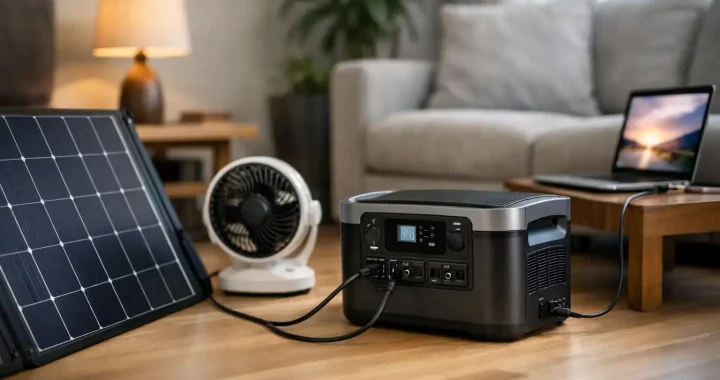
When the power goes out at 2 a.m., the last thing most people want is to drag a loud gas generator into the rain. That is why so many buyers ask, can solar generators be used indoors? In most cases, yes – as long as you are talking about a battery-powered solar generator, not a fuel-burning generator.
That distinction matters. A true solar generator for home backup or portable use is typically a power station paired with solar panels. It stores electricity in a battery and delivers AC or DC power through built-in outlets, ports, and an inverter. Because it does not burn gasoline, propane, or diesel while operating, it does not produce carbon monoxide exhaust. That makes it a practical option for indoor backup power in places where a traditional generator would be dangerous.
Can solar generators be used indoors safely?
Yes, solar generators can be used indoors safely when they are properly designed portable power stations and are operated according to the manufacturer’s instructions. They are built for enclosed environments in a way gas generators are not.
The biggest reason is simple: no combustion. If a unit is battery-based, it runs quietly and without toxic exhaust fumes. That makes it suitable for apartments, garages with the door closed only if the manual allows storage there, bedrooms for device charging, home offices, RV interiors, and other enclosed spaces where people actually live and work.
Still, indoor-safe does not mean careless. A solar generator is an electrical device with a large battery and inverter, so it needs stable placement, ventilation around the unit, and sensible load management. You should never cover it, block its cooling vents, or place it near standing water, flammable materials, or direct heat sources.
What makes a solar generator indoor-friendly?
The feature that makes these systems indoor-friendly is the battery itself. Most modern units use lithium battery chemistry, often LiFePO4, which is valued for long cycle life, thermal stability, and dependable performance during repeated charging and discharging.
A built-in inverter converts stored DC power into usable AC power for household devices. Many models also include regulated USB outputs, 12V ports, and multiple charging inputs. In practical terms, that means you can run essentials like routers, phones, laptops, lights, CPAP machines, and some kitchen or home appliances without bringing fuel into the house.
Noise is another major advantage. Portable power stations are far quieter than gas generators. Some make little more than fan noise under load. For outage use overnight, apartment living, RV travel, or indoor workspaces, that difference is not small. It changes whether backup power feels manageable or disruptive.
Where indoor use makes the most sense
Indoor use is especially valuable during short and medium-length outages. If your priority is keeping communications online, charging phones, powering a modem and router, running a few lights, or supporting medical and mobility devices, a solar generator is often a better fit than a fuel generator.
It also makes sense in spaces where fuel equipment is either prohibited or unrealistic. Apartment residents, condo owners, RV users, and families with limited outdoor setup space often need power they can safely use inside. For these users, battery backup is not just convenient. It may be the only realistic emergency power option.
For mobile living and recreation, indoor use is common as well. In an RV or camper, a battery-based solar generator can support fans, electronics, coffee makers, TVs, and other loads without the noise and exhaust of onboard fuel systems. For tailgating or enclosed event spaces, quiet operation is a practical benefit rather than a luxury.
The limits you need to respect
The safer indoor profile of a solar generator does not mean it can power everything. This is where expectations matter.
A smaller unit may be ideal for electronics and light-duty essentials, but not for high-draw appliances. A larger system may run a full-size refrigerator, microwave, portable heater, or window AC for some period of time, but runtime depends on battery capacity and appliance startup demands. Wattage and watt-hours matter more than product labels.
If you are planning for outage preparedness, think in terms of critical loads first. What must stay on? A fridge, CPAP, communication devices, lights, and a few outlets usually come before comfort appliances. Once those priorities are clear, it becomes much easier to choose the right battery capacity and inverter size.
There is also a recharging reality. You can use the generator indoors, but solar panels themselves need sunlight. In a blackout, the power station can remain inside while the solar panels are placed outdoors or in strong sun exposure. If solar input is weak because of weather, shade, season, or limited panel size, recharge time will stretch out.
Safe indoor setup practices
If you plan to use a solar generator indoors, placement and operating habits matter. Set the unit on a flat, dry surface with room around the vents. Keep it out of tight closets and away from bedding, curtains, paper storage, or anything that traps heat.
Pay attention to the load you are putting on the inverter. Running a unit right at its maximum output for long periods can create more heat and reduce efficiency. For better reliability, give yourself some headroom between your device load and the generator’s rated output.
Use the correct cables and chargers, and avoid low-quality adapters that can create poor connections. If the power station supports pass-through charging, make sure the manual specifically allows the way you plan to use it. Features vary by model.
For overnight use, many people keep the unit near essential devices, but not directly against furniture or walls. You want airflow, easy access to controls, and a clear view of the battery level.
Can solar generators be used indoors for medical devices?
Often, yes – and this is one of the most important use cases. Many households rely on backup power for CPAP machines, oxygen concentrators, mobility devices, refrigerated medication, or communication equipment tied to health needs.
That said, medical use requires caution. You should confirm both the running wattage and surge needs of the device, along with the expected runtime. Some devices are sensitive to power quality, which is why pure sine wave output is often preferred. If a device is critical, it is smart to build in margin rather than sizing your backup system to the bare minimum.
For serious preparedness, one power station may handle the primary load while a second charging option, expansion battery, vehicle charging path, or outdoor solar input provides backup to the backup. Reliability is about redundancy, not optimism.
What indoor use does not mean
Indoor-safe does not mean every product marketed with the word generator belongs inside. If a unit burns fuel of any kind, it does not belong in a home, garage, basement, crawl space, or enclosed patio. Carbon monoxide risk is not negotiable.
It also does not mean a power station should be treated like permanent whole-home infrastructure unless it is specifically designed for that role. Some systems can integrate with transfer switches or home backup circuits, but many portable units are intended for direct plug-in use. Matching the system to the application matters.
This is also where shoppers should be careful with marketing language. The term solar generator is widely used, but the safe indoor answer depends on the product category. Battery-based portable power stations are one thing. Fuel generators with charging accessories are another.
Choosing the right indoor backup setup
The best indoor setup depends on what you need to keep running and for how long. For light emergency use, a compact power station may be enough for communications, lighting, and personal devices. For longer outages or larger appliances, higher inverter capacity, more battery storage, and expansion options become more important.
Fast wall charging helps when storms are forecast and you need to top off quickly before an outage. Solar charging compatibility helps during extended blackouts. LiFePO4 battery chemistry is appealing for households that expect frequent use and want long-term cycle durability. If quiet, dependable indoor backup power is the goal, these features matter more than flashy claims.
For buyers comparing options, this is where a retailer like Thundervolt Power can be useful – not because every customer needs the biggest unit available, but because matching capacity to real use is what prevents disappointment when the grid goes down.
The right indoor power solution should feel steady, not complicated. If your backup plan lets you keep the essentials running without noise, fumes, or last-minute scrambling, you are already in a stronger position when the next outage hits.
