
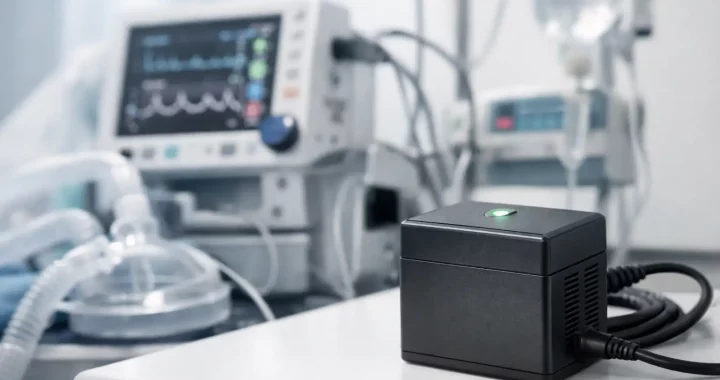
A power outage gets a lot more serious when a device in your home is part of someone’s daily care. If you are shopping for a medical device backup battery, the goal is not just extra runtime. It is making sure critical equipment keeps working safely, predictably, and without confusion when the grid goes down.
That changes how you should shop. A battery for camping or tailgating can be a convenience purchase. A battery for CPAP therapy, oxygen support, mobility charging, or other home medical equipment is a preparedness decision. You need enough capacity, the right output, and a setup that is simple enough to use under stress.
What a medical device backup battery needs to do
At the most basic level, a medical device backup battery is there to bridge a gap. Sometimes that gap is a short outage that lasts an hour or two. Sometimes it is an overnight interruption during a storm. In more serious cases, it may need to support a device until utility power returns or until you can move to a safer location.
That means the right battery has to do more than turn on. It has to deliver stable power, match the electrical needs of the equipment, and provide enough runtime for the situation you are planning for. For many households, that also means the battery should be quiet, indoor-safe, and easy to recharge from a wall outlet before the next outage.
Portable power stations are often a practical fit because they combine battery storage, inverter output, and multiple ports in one unit. Compared with gas generators, they are quieter, cleaner, and much easier to use inside a home. But not every power station is automatically suitable for medical use, and not every medical device draws power the same way.
Start with the device, not the battery
The biggest mistake buyers make is choosing by battery size alone. Capacity matters, but the device comes first. Before you compare models, check the medical equipment label, user manual, or power adapter. You are looking for three things: wattage, startup demand, and whether the device runs on AC power, DC power, or both.
A CPAP machine, for example, may have very different power use depending on whether you run the humidifier and heated tubing. An oxygen concentrator may have a much higher continuous draw than people expect. A mobility scooter battery charger may not draw much all day, but it still needs the right outlet type and enough runtime to complete a meaningful charge cycle.
Some devices are more battery-friendly when used through DC output rather than standard wall-style AC output. That is because AC power from a battery requires inverter conversion, and every conversion step uses some energy. If your device supports direct DC input, you may get better efficiency and longer runtime. It depends on the equipment, so this is worth checking before you buy.
Medical device backup battery sizing: watts and watt-hours
Two specs matter most when comparing backup power: watts and watt-hours. Watts tell you whether the battery can power the device at all. Watt-hours tell you how long it may run.
Think of watts as the power delivery limit. If your device needs 90 watts continuously, your battery must support at least that much output, with some margin. If the device has a startup surge, that matters too. Think of watt-hours as the fuel tank. A larger watt-hour rating usually means longer runtime, although inverter losses and real-world conditions will reduce the exact number.
A rough estimate is straightforward. If a device uses 100 watts and your battery stores 1000 watt-hours, you might expect around 10 hours in ideal conditions. In practice, usable runtime will be lower because of conversion losses and device behavior. That is why it is smart to build in extra capacity rather than shop to the exact number.
For overnight needs, many households find that more capacity offers real peace of mind. For short interruptions, a smaller unit may be enough. The right choice depends on the device, how long outages tend to last in your area, and whether you are backing up one device or several.
Output type and power quality matter
For sensitive electronics and medical equipment, stable power is not optional. A pure sine wave inverter is often the safer choice because it more closely matches utility power. Many modern home medical devices are electronic systems, not simple motors or lights, and they tend to perform better with clean, consistent output.
You should also make sure the battery has the outlet types you actually need. That may include standard AC outlets, regulated DC ports, or USB connections for supporting accessories and communication devices. In an outage, people often need to power more than the medical device itself. Phones, lights, and internet equipment can become part of the care plan.
There is a trade-off here. The more devices you run from one battery, the faster capacity drops. If your highest priority is life-supporting or therapy equipment, reserve the battery for that load first and treat everything else as secondary unless you have enough storage to cover both.
Battery chemistry, recharge speed, and long-term readiness
A backup system only helps if it is ready when you need it. That is one reason lithium iron phosphate, or LiFePO4, has become such a strong option for household backup. It offers long cycle life, good thermal stability, and solid durability for repeated charging and standby use.
Recharge speed matters too. After one outage, you may not have days to wait before the next one. A system that can recharge quickly from a wall outlet is easier to keep in a ready state. Some users also want solar charging capability as an added layer of resilience, especially in storm-prone regions or places with extended grid instability.
Solar is useful, but it should be viewed realistically. It can extend your options and help recharge during longer outages, but solar input depends on weather, panel size, and daylight hours. For a medical setup, solar is often best seen as a supplement, not the entire plan.
Real-world scenarios where sizing changes fast
A single CPAP without heat may need far less energy than a CPAP with humidification turned on. An oxygen concentrator may push you into a much larger battery class. If you are trying to support a device overnight and also keep a phone charged, run a lamp, or power a fan, your energy budget changes again.
This is why one-size-fits-all advice falls short. A compact battery may be appropriate for a travel backup or short outage plan. A larger portable power station may make more sense for overnight coverage, repeated use, or homes where outages can stretch longer than expected. Expandable battery systems can also be a strong option for families who want to start with one unit and grow capacity over time.
For buyers who want dependable home backup without fuel storage, noise, or complicated startup steps, this is where a curated portable power lineup can make the decision easier. Thundervolt Power focuses on practical backup systems that connect battery size, output capability, and real-world use cases in a way that helps households prepare with confidence.
Questions to answer before you buy
Before choosing a medical device backup battery, be clear about the outage you are preparing for. Are you covering brief interruptions, overnight use, or multi-day emergencies? Are you powering one critical device, or are there multiple care-related loads in the home?
Also ask whether the person using the equipment can operate the battery without help. In an emergency, simplicity matters. Clear displays, easy-access outlets, and straightforward recharging can be just as important as raw specs.
Finally, verify compatibility with the device manufacturer’s guidance whenever possible. Not every medical device is approved for every external power source, and some equipment has specific battery recommendations or warnings. Backup power should reduce risk, not introduce uncertainty.
The best backup plan is the one you can use immediately
Preparedness is not about buying the biggest battery on the page and hoping for the best. It is about matching power to the device, building in enough runtime for your real situation, and choosing a system that stays ready without adding complexity to an already stressful moment.
When a medical device depends on electricity, backup power stops being a nice extra. It becomes part of the care plan. Choose a solution that gives you stable output, practical runtime, and the confidence to respond quickly when power is not stable.
