
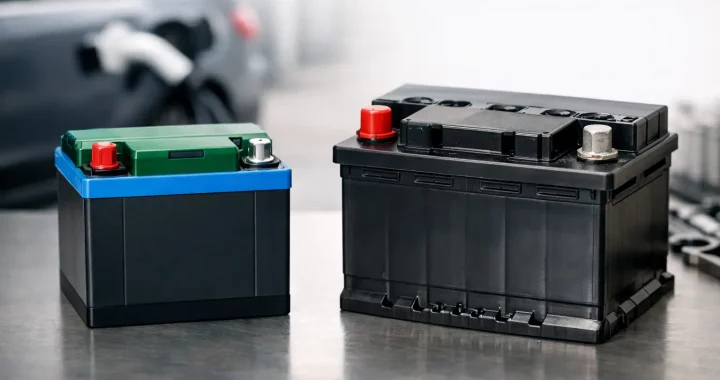
When the power goes out, battery chemistry stops being a spec sheet detail and starts affecting what you can actually run, for how long, and how often. That is why the question of lithium battery versus lead acid matters so much for homeowners, RV travelers, campers, and anyone building a dependable backup power setup.
For many buyers, the old assumption is that a battery is a battery. In practice, these two chemistries behave very differently. One may be cheaper to buy upfront, while the other is lighter, lasts longer, charges faster, and delivers more usable energy day after day. If you are choosing power for emergencies, mobile living, or off-grid use, those differences are not minor.
Lithium battery versus lead acid: the core difference
Lead acid batteries have been around for decades. They are common in vehicles, marine systems, and older backup setups because they are familiar and relatively inexpensive at the point of purchase. But they are also heavy, slower to recharge, and less efficient when you actually put them to work.
Lithium batteries, especially LiFePO4 models used in many modern portable power stations, are designed for repeat use. They hold voltage more consistently, support deeper discharge, and typically survive far more charge cycles than lead acid. For a user who wants reliable stored power instead of a battery that needs careful babysitting, that changes the ownership experience in a big way.
The simplest way to think about it is this: lead acid can still make sense when low upfront cost is the top priority and usage is limited. Lithium usually makes more sense when performance, lifespan, portability, and readiness matter more.
Usable power is where the gap gets real
Two batteries can carry the same advertised capacity and still deliver very different real-world results. This is where many buyers get tripped up.
Lead acid batteries generally should not be drained deeply on a regular basis. If you repeatedly pull them down too far, lifespan drops quickly. In real terms, that often means only about half the rated capacity is comfortably usable if you want the battery to last. A 100Ah lead acid battery does not usually behave like 100Ah of worry-free daily power.
Lithium batteries are different. Many LiFePO4 systems can safely use a much larger portion of their rated capacity without the same level of wear. That means you get more practical energy from the battery you paid for. For outage backup, overnight RV use, or running appliances away from shore power, that extra usable capacity matters more than the label alone.
Voltage performance is another factor. Lead acid voltage tends to sag more as the battery discharges, which can affect equipment performance. Lithium holds a steadier voltage curve, which helps power electronics and appliances more consistently.
Weight, size, and portability
If your battery will stay in one place forever, weight may not feel like a major issue. But for portable backup power, RVs, vans, camping, tailgating, and mobile jobsite use, it matters immediately.
Lead acid batteries are bulky and heavy for the amount of energy they store. Moving them is inconvenient at best and a strain at worst. Installing multiple units to build more capacity adds even more weight and takes up more room.
Lithium batteries provide more energy in a smaller, lighter package. That is a major reason modern portable power stations rely on lithium chemistry. A lighter system is easier to store, easier to carry, and easier to deploy when weather turns bad and time matters. If preparedness is the goal, portability is not a luxury feature. It is part of readiness.
Charging speed and solar compatibility
Recharge time matters most when power is unstable. During an outage, after a long travel day, or in limited sunlight, a battery that takes too long to recharge can leave you exposed.
Lead acid batteries generally charge more slowly, especially as they approach full capacity. They also tend to be less efficient in the charging process, which means more energy is lost along the way. With solar, that can be frustrating. You may spend valuable daylight hours trying to top off a battery that simply cannot absorb power as quickly.
Lithium batteries usually accept charge faster and more efficiently. That makes them a better fit for modern solar charging systems and for users who need to turn stored energy around quickly. If your setup includes portable solar panels or fast AC charging, lithium is better aligned with how people actually use backup power today.
Lifespan and long-term value
On sticker price alone, lead acid often looks attractive. That is why it still gets attention. But purchase price and ownership value are not the same thing.
Lead acid batteries have a shorter cycle life. The more often they are discharged and recharged, especially at deeper levels, the faster they wear out. They also require more caution in storage and maintenance depending on the specific type.
Lithium batteries usually cost more upfront, but they tend to last far longer. Over years of regular use, that often makes the total cost of ownership lower. You are buying fewer replacements, getting more usable energy per cycle, and dealing with less degradation over time.
For a family preparing for repeated outages, an RVer using battery power every weekend, or an off-grid user depending on stored power daily, the math often shifts strongly toward lithium.
Maintenance, safety, and everyday reliability
Not all lead acid batteries are high-maintenance, but compared with modern lithium systems, they generally ask more from the user. Some types may require ventilation, careful charging practices, and more attention to storage conditions. Deep discharges, long idle periods, and improper charging can all take a bigger toll.
Lithium systems, especially those built into quality portable power stations, are usually far more user-friendly. Many include battery management systems that help regulate charging, discharging, temperature, and protection functions automatically. That does not make them magic, but it does make them easier to trust in day-to-day use.
For households and travelers who want dependable power without fuel storage, engine maintenance, or battery guesswork, lithium aligns better with a low-hassle approach. That is one reason retailers like Thundervolt Power focus on lithium-based portable energy systems for backup, solar, and mobile power needs.
When lead acid still makes sense
There are still situations where lead acid is a reasonable choice. If the budget is tight, the battery will be used only occasionally, and weight is not a concern, lead acid can handle basic tasks. It may also fit legacy systems already designed around that chemistry.
For example, a simple standby application with infrequent discharge may not justify the upfront jump to lithium. The same is true for certain low-demand setups where replacement cost matters more than convenience or long-term cycle life.
That said, many buyers underestimate how quickly their needs grow. A battery purchased for occasional backup often ends up supporting camping trips, storm prep, outdoor events, or worksite use. Once the battery becomes part of regular life, lithium usually starts looking like the smarter investment.
When lithium is the better choice
If you need power you can count on often, lithium has a strong advantage. It is typically the better fit for portable power stations, solar generator setups, RV battery banks, home outage backup, and applications where recharge speed and usable capacity matter.
It is also the better choice when space and mobility are part of the equation. Carrying power up apartment stairs, loading it into a truck, fitting it into an RV compartment, or storing it for fast deployment during severe weather all get easier with lithium.
For people supporting sensitive electronics or essential equipment, stability matters too. A more consistent voltage profile and better integration with modern inverters and charging systems make lithium a stronger match for today’s backup power expectations.
How to decide without overcomplicating it
If you are comparing lithium battery versus lead acid, start with how you will actually use the battery, not just what it costs on day one. Ask whether this system needs to be portable, whether you plan to recharge it often, whether solar input matters, and how much usable power you truly need.
If the battery is for serious preparedness, repeated RV use, regular off-grid power, or a cleaner alternative to noisy fuel-based equipment, lithium is usually the practical answer. If the goal is a low-cost battery for light, infrequent use in a fixed location, lead acid may still do the job.
The better battery is the one that matches your real workload, your recharge options, and your expectations under pressure. When reliability matters most, the chemistry behind your power source should make life easier, not add one more thing to manage.
Choose the option that gives you confidence when the grid is down, the road is long, or the weather turns. That is the kind of power that earns its place.
