
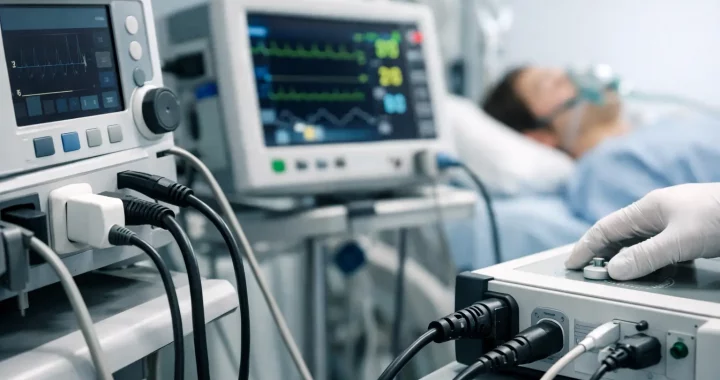
When the power goes out, the question is not whether your backup system can charge a phone. The real test is whether it can keep a medical device running safely, steadily, and long enough to matter. If you are figuring out how to power medical devices safely, you need more than extra battery capacity. You need the right type of power, the right runtime plan, and a setup you can trust under pressure.
For families supporting CPAP machines, oxygen concentrators, nebulizers, feeding pumps, mobility equipment, or refrigerated medications, power is not a convenience category. It is part of care. That changes how you should shop, how you should size your backup, and how carefully you should test your system before you ever need it.
How to power medical devices safely starts with the device
The first step is knowing exactly what the device needs. Many people start with battery size, but the safer approach is to start with the equipment label, power brick, or user manual. Look for the device’s required voltage, wattage, and whether it runs on AC wall power, DC input, or both.
That matters because not all power sources behave the same way. A medical device that plugs into a standard wall outlet may still be sensitive to the quality of incoming power. Devices with motors, compressors, or heating elements can draw more power at startup than they do during normal operation. If you only match the running wattage and ignore surge demand, your backup system may shut off when the device first turns on.
It is also worth checking whether the manufacturer offers a DC power option or external battery pathway. In some cases, running directly from DC can be more efficient than converting battery power to AC and then back down again through the device’s adapter. That can extend runtime. In other cases, the approved path may be AC only. The right answer depends on the device.
Clean power matters more than many buyers realize
A low-cost backup unit can look fine on paper and still be the wrong fit for sensitive medical equipment. This is why pure sine wave output is one of the most important features to check.
Pure sine wave power closely matches the electricity delivered by your home outlets. That makes it a better match for electronics and medical devices that expect stable, consistent current. Modified sine wave systems may work for some basic loads, but they can cause performance issues, added heat, odd noises, or outright incompatibility with sensitive equipment. When health support is involved, this is not the place to cut corners.
Stable output is only part of the equation. You also want a system with enough inverter capacity to handle startup demand and enough battery storage to cover the real duration of an outage, overnight use, travel day, or evacuation delay. A backup that runs a device for one hour is very different from one that can support it through the night.
Calculate runtime before you buy
Runtime planning is where many people either overspend or end up underprepared. The basic math is straightforward. Start with the device’s power draw in watts, then compare that to the battery’s usable watt-hours. A 500Wh battery will not deliver a perfect 500Wh to the device because there are conversion losses, especially when using AC output. Real-world usable energy is usually lower.
If a device draws 50 watts and your power station delivers about 400 usable watt-hours after losses, you may get around 8 hours of runtime. If the same device has a heated humidifier, compressor cycle, or variable output mode, the runtime may be shorter than expected. That is why estimated runtime should be treated as a planning number, not a guarantee.
For medical use, build in a safety margin. If you need 8 hours, plan for more than 8. If your area sees extended outages, think in layers: the primary power station, an expansion battery if supported, vehicle charging as a backup, and solar charging if daylight recovery is realistic for your location and season.
Matching backup power to common medical devices
Different devices place very different demands on a battery system. CPAP machines are one of the most common use cases. Some run efficiently, especially without a heated humidifier or heated tubing. Others consume much more power when comfort features are active. If you are planning overnight use, measure for your actual settings, not best-case assumptions.
Portable oxygen concentrators can vary significantly by model and flow setting. Some include internal batteries that reduce external demand, while others rely heavily on outside power for longer use. Continuous flow and pulse dose modes can have very different power profiles.
Nebulizers and feeding pumps may use less energy overall, but they still need reliable output and enough runtime for treatment windows. Mobility devices, lift chairs, and battery chargers for power wheelchairs can require much larger systems, especially if charging is part of your outage plan. Medical refrigerators or compact coolers for temperature-sensitive medication add another layer, since compressor startup and cycling affect runtime.
This is where a larger portable power station can make sense. For households preparing for outages, a properly sized lithium backup system with pure sine wave AC output, multiple charging options, and expandable capacity can cover far more than a single small battery pack. It can support essential medical equipment while still leaving room for lights, phones, or communications.
Safe setup at home, in transit, and during outages
Knowing how to power medical devices safely is not just about the battery you buy. It is also about how you use it.
At home, place the power station in a dry, ventilated area with enough clearance for airflow. Do not block cooling vents or stack items on top of the unit. Keep cords organized and avoid overloaded adapters or questionable extension cords. If a device is mission-critical, do a full test run before storm season or before relying on the setup overnight.
During travel, secure both the medical device and the power source so they do not shift in a vehicle. Protect the system from extreme heat, freezing temperatures, and moisture. If you plan to recharge from the car, confirm that your vehicle outlet can support the required input and understand how long charging will actually take.
During outages, conserve power where medically appropriate. For example, if a clinician has already approved alternative settings for emergency use, those settings may help extend runtime. But medical decisions should come from the care team, not from battery limitations in the middle of a blackout. Preparedness means handling the power side early so you are not forced into a compromise later.
What to ask before choosing a power station
A good backup system for medical use should answer a few practical questions clearly. Does it offer pure sine wave AC output? What is the rated inverter wattage and surge capacity? How many watt-hours does the battery provide, and can that capacity expand? How fast can it recharge from the wall, from a vehicle, or from solar panels? Is the display easy to read in low light? Can you test and monitor output without guesswork?
Battery chemistry matters too. LiFePO4 systems are a strong fit for preparedness because they offer long cycle life, thermal stability, and dependable performance over time. If you expect to use your backup regularly, not just once every few years, that durability becomes more valuable.
For many households, the best solution is not the smallest unit that technically works. It is the unit that gives you breathing room. A little extra capacity can mean the difference between one overnight cycle and a full day of resilience.
When portable power is appropriate – and when it is not enough
Portable backup power can be an excellent solution for many home, travel, and emergency scenarios, but there are limits. Some medical equipment has strict manufacturer guidance, hospital-grade requirements, or runtime needs that call for a dedicated backup system, utility priority service, or generator plan. Some users need redundant power layers because interruption is not acceptable.
That is why the safest path is to confirm the device requirements with the manufacturer and speak with your clinician or equipment provider if there is any doubt. A portable power station should support your medical plan, not replace professional guidance.
Thundervolt Power focuses on dependable battery-based backup because quiet, fuel-free energy can make emergency planning more practical for real households. But the product only helps if the planning is right.
If you are preparing for a family member, think beyond the product page. Know the device, size the runtime honestly, choose clean output, and test the setup before the next outage forces the issue. Reliable power is not just about staying comfortable. For medical equipment, it is about staying ready when the grid is not.
