
The power goes out, your phone battery is at 18%, the fridge is warming up, and the weather forecast is getting worse. That is when knowing how to use solar generator systems stops being a nice idea and becomes a practical skill. A solar generator is one of the easiest ways to keep essential devices running without fuel, engine noise, or extension cords snaking to a gas unit outside.
For most people, using one is straightforward once you understand the basics. You charge the power station, connect compatible solar panels if you want renewable recharging, and plug in the devices you actually need. The part that matters is using it with the right expectations. A solar generator can run a lot, but not everything at once, and the difference comes down to battery capacity, inverter output, and how much power your appliances draw.
How to use solar generator systems the right way
Start by thinking about your use case, not the marketing label. Some people need emergency backup for a refrigerator, router, phones, lights, and a CPAP machine. Others need mobile power for an RV weekend, a tailgate, or a jobsite. The way you use a solar generator should match that real demand.
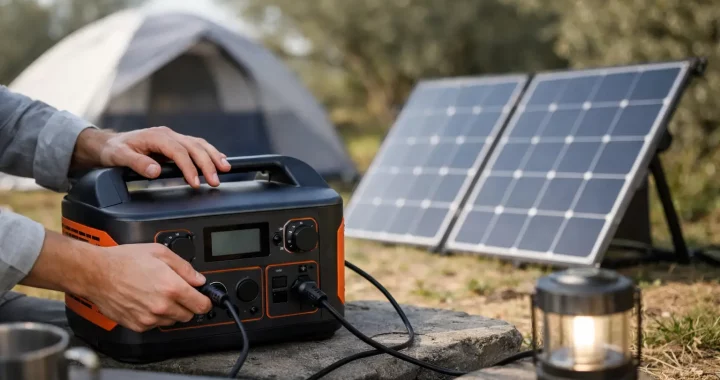
A typical setup has three parts: the battery power station, the inverter and outlets built into that station, and the solar panels used to recharge it. Many units also support wall charging and car charging, which is important because solar recharging depends on weather, season, panel size, and how long the sun is available.
Before first use, fully charge the unit from AC wall power if possible. That gives you a known baseline and lets you verify the display, ports, and charging system are working properly. It also means you are not relying on partial sunlight for your first test.
Next, place the power station in a dry, stable, well-ventilated area. Portable power stations are much quieter than gas generators, but they still create heat when charging or discharging. Keep vents clear and avoid leaving the unit in direct rain, standing water, or extreme heat inside a closed vehicle.
Know your two key numbers
If you want better results, focus on two specs: watt-hours and watts. Watt-hours tell you how much energy is stored in the battery. Watts tell you how much power the unit can deliver at one time.
For example, a 1000Wh power station may run a 100W device for around 8 to 9 hours in real-world use, depending on inverter losses and battery reserve settings. A 2000W inverter means the unit can handle appliances drawing up to 2000 watts continuously, with some models allowing a higher surge for startup.
This is where many people get tripped up. A microwave, coffee maker, space heater, and window AC can all use a lot of wattage. A solar generator may run one of them, or maybe two smaller loads together, but not all high-draw appliances at the same time. If you overload the inverter, the unit will usually shut down output to protect itself.
The fix is simple. Check the running wattage of every device you plan to use, then compare that total to the power station’s AC output rating. If a device has a compressor or motor, account for startup surge too.
Set up your loads with a priority plan
The best way to use a solar generator during an outage is to separate essentials from conveniences. Essentials usually include your refrigerator, phone chargers, Wi-Fi, lights, laptop, medical devices, and maybe a fan. Conveniences are things like a toaster, hair dryer, electric kettle, or portable heater.
When battery power matters, stagger your usage. Charge phones and tablets first. Let the refrigerator cycle normally instead of opening the door often. Run one cooking appliance at a time. If you are powering a CPAP or medical device, reserve capacity for that before plugging in entertainment gear.
This matters even more overnight or during bad weather. Solar input can drop hard on cloudy days, and winter sun hours are shorter. If your plan assumes perfect recharging conditions, it is not really a backup plan.
How to connect and charge with solar panels
If your goal is to learn how to use solar generator equipment off-grid, solar charging is the part to get right. Start by confirming the input limits of your power station. Every unit has a maximum solar input wattage and an allowed voltage range. Your solar panel setup has to stay within those limits.
Portable folding panels are popular because they are easy to deploy, move, and store. Set them in direct sunlight, angle them toward the sun, and avoid even partial shade. A little shade can reduce panel performance more than people expect.
Connect the panels using the correct cable and adapter for your unit. Once connected, check the display to make sure the station is receiving input. If charging seems slow, the problem is usually sunlight conditions, panel angle, cable connection, or total panel wattage.
Solar charging is excellent for extending runtime, but it is not instant. A larger battery with limited panel input may take many hours to recharge. That is why many practical users rely on a mixed approach: wall charge before a storm, use solar to extend runtime during the day, and conserve energy at night.
Using AC, DC, and USB outputs correctly
Most solar generators give you several output types, and choosing the right one improves efficiency. Use USB ports for phones, tablets, and small electronics. Use DC outputs when your device supports direct DC input. Use AC outlets for household appliances and anything that needs standard wall power.
AC power is versatile, but inverter conversion adds some energy loss. If you can charge a device by USB-C or direct DC instead of using a wall brick through the AC outlet, you may get a little more runtime. It is not always a dramatic difference, but during extended outages every bit helps.
Also, turn off output sections you are not using. If the AC inverter is on all day with nothing plugged in, some units still consume standby power.
Common mistakes that shorten runtime
The most common mistake is trying to run heat-based appliances for too long. Space heaters, hot plates, hair dryers, and coffee makers can drain a battery quickly. They are not impossible loads, but they are expensive in energy terms.
Another mistake is ignoring recharge time. People focus on what a battery can run, then realize too late that replacing that energy with a small panel takes much longer than expected. Capacity and charging speed need to make sense together.
Poor storage habits can also cause problems. Do not leave your unit fully depleted for long periods. For long-term storage, keep it partially charged and top it off according to the manufacturer’s guidance. Lithium battery systems, especially LiFePO4 models, are built for long service life, but they still perform best when stored and maintained properly.
Where a solar generator works best
At home, a solar generator is a strong fit for backup power without fuel storage, exhaust, or constant engine noise. It works well for refrigerators, communication devices, lights, fans, and critical electronics. For whole-home backup or large central air systems, though, you are usually looking at a larger and more permanent solution.
For RV travel and camping, solar generators are especially useful because they are quiet and simple to deploy. You can recharge devices, run lights, power a portable fridge, and support work or entertainment gear without dealing with gasoline. If you want to run air conditioning for long stretches, capacity and solar input become much more important.
On jobsites, they are a clean option for charging tools, batteries, and electronics. But heavy-draw saws, compressors, and all-day tool loads can push smaller units past their limits. This is one of those cases where sizing up is usually better than trying to stretch a compact system too far.
A practical way to size your system
If you are deciding what to buy or how to use what you already have, add up the devices that truly matter for your situation. Estimate how many hours each one needs to run. Then compare that energy need to the battery capacity, not just the inverter rating.
If your must-run loads total close to your battery size in a single day, you will want either more capacity, faster charging, expansion batteries, or more solar panel wattage. That is why many buyers move toward expandable systems. They give you room to start with a portable setup and scale as your backup needs grow.
A well-matched system feels simple in use because it is not operating at the edge all the time. That is the real goal. Preparedness is not about squeezing maximum power out of a unit for one dramatic hour. It is about having stable power when conditions are not stable.
If you treat your solar generator as part of a plan instead of a last-minute gadget, it becomes one of the most dependable tools you can keep ready. Charge it before storms, test it before trips, learn your real loads, and leave yourself margin. When the grid goes down or the road takes you off it, that preparation pays off fast.
