
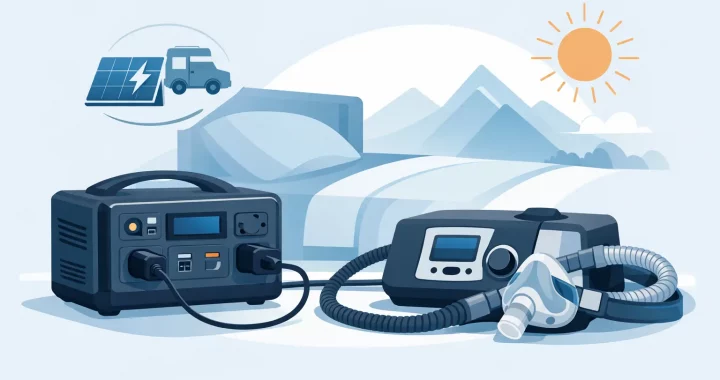
If a storm knocks out power at 11 p.m., a CPAP is not a nice-to-have device. It is part of how you sleep safely and wake up functioning the next day. That is why choosing the right power station for CPAP machine use is less about gadget shopping and more about dependable backup planning.
A portable power station gives you a quieter, cleaner option than a gas generator, with none of the fuel storage, fumes, or indoor safety concerns. But not every unit is a good fit for CPAP support. The details matter – especially battery capacity, output type, runtime expectations, and how your specific machine draws power.
What makes a power station for CPAP machine use different?
A CPAP does not usually need a huge amount of power, which leads some buyers to assume any small battery will do. That is where people get caught short. The actual runtime can vary quite a bit depending on pressure settings, whether you use a heated humidifier, and whether the machine runs on AC power through a wall-style adapter or direct DC.
For many users, the goal is not just turning the machine on. The goal is getting through a full night, or several nights, without guessing. That shifts the buying decision away from peak wattage alone and toward usable battery capacity in watt-hours.
A reliable power station for CPAP machine support should also deliver stable output. Pure sine wave AC is important if you plan to run your CPAP through its standard power brick. Some machines can also run more efficiently from a DC output with the correct manufacturer-approved cable, which may extend runtime compared with converting battery power to AC first.
Start with your CPAP machine’s real power draw
Before comparing battery sizes, check your machine label, power brick, or user manual. You want to know the wattage or voltage and amperage requirements. If the machine says 24V and uses a specific converter, that matters. If it draws 30 to 60 watts during normal use, that gives you a starting point. If you run heat and humidification, your demand can rise sharply.
This is the most common mistake buyers make. They estimate based on the machine name instead of the machine setup. A CPAP used without heated humidity may run for much longer on the same battery than one running with full comfort settings. That trade-off is worth thinking through before an outage, not during one.
For emergency backup at home, some users are comfortable lowering or turning off the humidifier to stretch runtime. For travel or camping, that may be an easy choice. For nightly comfort, it depends on what you can tolerate and what your clinician recommends.
Battery size matters more than flashy specs
When you shop portable power, inverter wattage gets a lot of attention. For CPAP use, battery capacity is usually the bigger issue. Watt-hours tell you how much energy is stored. Higher watt-hours generally mean longer runtime.
As a rough example, a CPAP drawing 40 watts for eight hours would use around 320 watt-hours in ideal conditions. Real-world runtime will be lower because no system is perfectly efficient, especially if you are running through AC output. That is why a unit with only a small battery may not deliver a comfortable margin.
If you need one full night with conservative CPAP settings, a compact station may be enough. If you want backup for multiple nights, room for humidifier use, or the ability to recharge phones and other essentials at the same time, stepping up in capacity makes sense. Preparedness is about margin, not minimums.
AC, DC, and why efficiency changes runtime
Most people plug a CPAP into the AC outlets on a power station because it is familiar and simple. That can work well if the station has a pure sine wave inverter and enough stored power. But AC conversion adds some loss.
If your CPAP brand offers a compatible DC cable and your power station has the right output, DC can be the more efficient path. That often means more usable runtime from the same battery. It is not universal, though. Some machines use proprietary connections or require a voltage-specific adapter, so compatibility needs to be checked carefully.
The practical answer is straightforward. If you want the easiest setup, choose a quality power station with pure sine wave AC. If maximizing runtime is the top priority, look into whether your machine can safely run from DC with approved accessories.
Features that actually matter in an outage
A power station for CPAP machine backup does not need every premium feature on the market. It does need the right ones. Battery chemistry is high on the list. LiFePO4 batteries are especially attractive for backup power because they are known for long cycle life, stability, and dependable performance over time.
Charging speed matters too. If bad weather is forecast and your unit is half empty, you want to be able to top it off quickly. Clear battery status displays are also useful because guessing at remaining power is not a real plan.
Pass-through capability can help in some home setups, but it should not be treated as a substitute for understanding how the unit behaves during an outage. Some stations switch over more smoothly than others, and CPAP users should verify whether that transfer behavior is suitable for their equipment.
Noise is another overlooked benefit. A gas generator may keep a refrigerator running outside, but it is not the right tool next to your bed. A portable power station is quiet enough for nighttime use, which is exactly where CPAP backup matters most.
How much backup do you really need?
This depends on where and how you plan to use it. For a short emergency buffer, one night of runtime may be enough. For areas with frequent storm outages, wildfire shutoffs, or unreliable service, planning for two or more nights is smarter.
Travel changes the math. If you are using a CPAP in an RV, at a campsite, or in a cabin, recharging options matter as much as battery size. A unit that can recharge from wall power, a vehicle, or portable solar gives you more flexibility. Solar is especially useful for extended off-grid use, though the panel size, weather, and charging time all affect what is realistic.
For some households, CPAP backup is the first step into broader emergency power. Once you have a dependable station for overnight breathing support, it is natural to consider whether the same unit should also cover lights, phones, internet equipment, or a fan. There is no single correct answer. It depends on whether you want a dedicated CPAP solution or a more versatile backup system for the whole household.
What to avoid when shopping
The cheapest battery option is often the most expensive mistake if it falls short when you need it. Marketing claims about powering medical devices should always be treated carefully unless the specs support the claim.
Be cautious with units that do not clearly state battery capacity, inverter type, or output details. You also want to avoid assuming that airline-friendly travel batteries and home outage backup stations are interchangeable. They serve different use cases and have very different capacity limits.
It is also worth avoiding a setup that depends on unverified third-party adapters. CPAP machines can be particular about voltage and connectors. A mismatch can lead to poor performance or no performance at all.
A practical way to choose the right unit
Start with your machine’s power needs, then decide whether you want backup for one night, multiple nights, or travel with recharge options. From there, look for a pure sine wave power station with enough watt-hour capacity to give you a real cushion, not just a technical minimum. If your machine supports efficient DC operation, factor that in.
For many buyers, this is where a curated retailer helps. Instead of sorting through generic battery packs and unclear claims, you can focus on portable power stations built for dependable backup use, including LiFePO4 models designed for emergency readiness and everyday practicality. Thundervolt Power centers that kind of selection because reliability matters more than novelty when the device beside your bed cannot go down.
A CPAP backup plan should feel boring in the best possible way. Charged, ready, quiet, and predictable. If your power goes out tonight, that is the kind of equipment decision you will be glad you made.
