
The first time you shop for backup power, the specs can look more complicated than the problem you are trying to solve. Most people start with a simple need: keep the fridge running during an outage, charge devices at camp, or power essential gear without gas, fumes, or noise. That is exactly where this solar generator for beginners guide should help – by turning battery size, inverter output, and solar input into practical decisions you can actually use.
What a solar generator really is
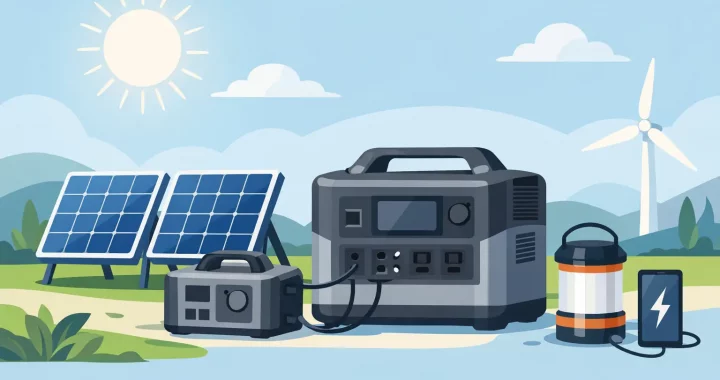
A solar generator is usually a portable power station paired with solar panels. The power station stores electricity in a battery, converts it into usable AC power through an inverter, and gives you multiple ways to run devices through wall-style outlets, USB ports, and DC outputs. The solar panels recharge the battery when sunlight is available.
That matters because a solar generator is not generating electricity the same way a gas unit does. It is storing power and then delivering it where you need it. You can charge it from a wall outlet before a storm, top it off from your vehicle while traveling, or recharge it with solar panels off-grid.
For beginners, that difference is useful. You are not dealing with fuel storage, engine maintenance, or startup issues in bad weather. You are choosing a battery-powered system that can work quietly indoors or outdoors, depending on the model and the equipment you want to run.
Solar generator for beginners guide: start with your real use case
Before comparing brands or capacities, think about what you actually need to power. This is where many first-time buyers either overspend on capacity they will rarely use or undersize a unit that cannot handle the equipment that matters most.
If your priority is emergency home backup, your list may include a refrigerator, router, phones, lights, CPAP machine, or a small freezer. If you travel, you may care more about laptops, cameras, a portable fridge, fans, or an electric cooler. For RV users, the conversation changes again because air conditioners, microwaves, coffee makers, and induction cooktops draw much more power.
The right size depends less on lifestyle labels and more on actual loads. A camper who only charges phones needs far less capacity than a homeowner trying to support cold food storage during a 12-hour outage.
The two numbers that matter most
When people shop for portable power, they usually run into two specs right away: watts and watt-hours. Both matter, but they answer different questions.
Watts tell you how much power the unit can deliver at one time. This determines whether the system can run a device at all. If your appliance needs 1,500 watts and your power station only supports 1,000 running watts, it will not be a good match.
Watt-hours tell you how much energy is stored in the battery. This affects runtime. A larger battery will keep the same device running longer than a smaller one.
A simple way to think about it is this: watts are the strength, watt-hours are the stamina. Beginners often focus on one and ignore the other, but both are essential.
A power station with high battery capacity but a weak inverter may store plenty of energy and still fail to start a demanding appliance. On the other hand, a unit with strong output but limited battery size may run the device briefly and then need recharging.
Why inverter quality and battery chemistry matter
Not all power stations are built the same, even when the headline numbers look close. Two details are worth paying attention to early: inverter type and battery chemistry.
A pure sine wave inverter is the safer choice for sensitive electronics and many household devices. It delivers cleaner power that is better suited for laptops, TVs, medical devices, and appliances with electronic controls. For buyers who want one system that can handle a wide range of equipment, pure sine wave output is a practical baseline.
Battery chemistry affects lifespan, safety, and overall value. LiFePO4 batteries are popular for good reason. They generally offer longer cycle life, better thermal stability, and stronger long-term durability than older lithium-ion chemistries. For emergency backup and frequent use, that can make a noticeable difference over time.
This is one area where the cheapest option is not always the best buy. If you plan to rely on your system during outages, on the road, or in demanding conditions, build quality matters.
How much solar input do you need?
A beginner mistake is assuming any solar panel setup will recharge a power station quickly. It depends on the unit’s maximum solar input, the panel wattage, and real-world sunlight conditions.
If a power station accepts 200 watts of solar input, connecting more panel wattage than it can use will not speed charging beyond that limit. If your panel array is too small, recharging may take much longer than expected, especially in cloudy conditions or winter light.
This is where expectations need to stay realistic. Solar charging is useful, quiet, and fuel-free, but it is not magic. Weather, panel angle, shade, and season all affect performance. For emergency preparedness, many people use a mixed strategy: charge from the wall when the grid is available, then use solar to extend runtime during longer disruptions.
That approach is often more dependable than relying on sunlight alone.
Picking the right size for common scenarios
Small power stations are a good fit for phones, laptops, lights, modems, cameras, and compact electronics. They are easier to carry and useful for travel, short trips, and basic emergency kits.
Mid-size systems make sense for people who want more flexibility. They can often support small appliances, portable fridges, TVs, fans, and work gear while still remaining manageable for vehicle travel or room-to-room use at home.
Larger systems are where serious backup starts. If you want to support a refrigerator, sump pump, microwave, power tools, or even a window AC in some cases, you need stronger inverter output and much more battery capacity. These units are heavier and cost more, but they are built for higher-demand use.
The trade-off is simple: more capacity usually means more runtime and more appliance compatibility, but also more weight, more space, and a larger budget. There is no perfect one-size-fits-all answer.
Features beginners should not overlook
Good output capacity gets attention, but usability matters too. A system that looks impressive on paper can still be frustrating if it recharges slowly or lacks the ports you actually need.
Fast AC recharging is valuable for storm prep because it lets you top off the battery quickly before weather arrives. Multiple output options are useful if you plan to power household devices, USB gear, and 12V equipment at the same time. An informative display helps beginners monitor battery percentage, input wattage, and output load without guessing.
Expandability is another feature worth considering if your needs may grow. Some systems support extra batteries, giving you a way to start with a capable base unit and scale up later. That can be more cost-effective than replacing a unit too soon.
What a solar generator will not do
A dependable buying decision starts with clear limits. A solar generator is an excellent solution for many home, travel, and emergency uses, but it is not automatically a whole-house replacement.
Running central air, electric water heaters, large electric dryers, or full-size ovens requires a much higher power level than most portable systems are designed to provide. Some high-capacity models can support substantial loads, but beginners should not assume every system can run every appliance.
That does not make portable power less useful. It means the goal is targeted resilience. Keeping food cold, communication active, lights on, and critical devices powered can solve the most urgent problems during an outage.
Solar generator for beginners guide: how to buy with confidence
If you are comparing options now, work backward from your must-run devices. Check both running watts and startup surge if the appliance has a motor. Estimate how long you need to run those essentials, then compare that against battery capacity. After that, look at recharge options, portability, battery chemistry, and whether expansion is available.
For many buyers, the best system is not the biggest one. It is the one that covers real needs reliably and can be recharged fast enough to stay useful. That could mean a compact unit for travel, a mid-size system for mixed use, or a large expandable setup for home backup.
Thundervolt Power focuses on this practical middle ground between convenience and serious preparedness: portable systems that are quiet, battery-based, and capable enough to handle real outages and off-grid use without the complication of gas-powered equipment.
If you are new to backup power, keep it simple. Choose a system based on what you cannot afford to lose power to, not just the biggest number on the page. That mindset usually leads to a smarter purchase and a setup you will actually trust when the lights go out.
