
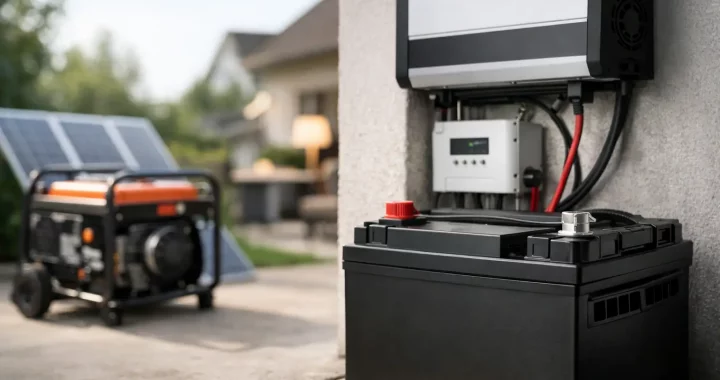
When the lights go out, battery chemistry stops being a spec sheet detail and starts affecting what you can actually keep running. If you’re asking is LiFePO4 better for backup, the short answer is yes for most home, portable, and emergency backup needs – but not in every case, and not for every budget.
For backup power, what matters most is dependable runtime, long service life, safe operation indoors, and the ability to recharge and use the system again without babying it. That is where LiFePO4, short for lithium iron phosphate, has earned its place. It is now the standard chemistry behind many modern portable power stations and solar generators built for outage readiness, RV use, and off-grid support.
Is LiFePO4 better for backup than other battery types?
In many real-world situations, yes. LiFePO4 is often a better backup choice than traditional lead-acid batteries and, in many cases, a better long-term fit than other lithium chemistries like NMC when safety, lifespan, and daily reliability matter most.
The reason is simple. Backup power is not just about storing energy. It is about being ready when weather turns, the grid drops, or critical devices need steady power now. LiFePO4 performs well in that role because it combines stability, deep cycling capability, and a long usable life. For homeowners, RV travelers, and families building a practical emergency setup, those advantages usually matter more than shaving a little weight or upfront cost.
That said, better depends on what kind of backup you mean. A battery for a sump pump during storms has different demands than a battery for occasional camping. A whole-home setup has different priorities than a portable unit for phones, routers, lights, and a CPAP. LiFePO4 is strong across most of these uses, but the details still matter.
Why LiFePO4 works so well for backup power
Longer cycle life means better long-term value
One of the biggest reasons people choose LiFePO4 is lifespan. Compared with lead-acid batteries, LiFePO4 can handle far more charge and discharge cycles before capacity drops to a point that affects useful performance.
That matters for backup because many people do not just store their power station in a closet. They use it for storm prep, weekend trips, outdoor work, and solar charging between outages. A battery that can be used often without wearing out quickly gives you more flexibility and better value over time.
Lead-acid batteries tend to degrade faster, especially if they are deeply discharged or left partially charged. LiFePO4 is far more forgiving in normal use. If you want a system that can serve as emergency backup and everyday portable power, LiFePO4 is usually the smarter chemistry.
Better safety for indoor and portable use
Backup power often lives inside your house, garage, RV, or enclosed workspace. That changes the conversation. Safety is not optional.
LiFePO4 is known for strong thermal and chemical stability compared with some other lithium-ion chemistries. In plain terms, it is less prone to overheating and generally better suited for enclosed, consumer-facing backup products when paired with a quality battery management system.
This is one reason LiFePO4 has become so common in portable power stations. People want clean, quiet power they can use indoors without fuel fumes, loud engine noise, or the maintenance routine that comes with gas generators. For family preparedness, that is a major advantage.
More usable capacity in real use
With backup batteries, rated capacity is only part of the story. The real question is how much of that energy you can use without damaging the battery or dramatically shortening its life.
LiFePO4 can typically be discharged more deeply than lead-acid while still maintaining healthy performance over time. That means more of the stored energy is actually available when you need it. For outage planning, that can make a smaller, smarter system more practical than buyers expect.
If your goal is to keep a refrigerator cycling, charge phones, run internet equipment, power lights, or support medical devices, usable capacity matters more than brochure numbers. LiFePO4 tends to deliver more practical energy from the same class of system.
Low maintenance and fast readiness
Backup power should not become another chore. LiFePO4 batteries generally require far less maintenance than flooded lead-acid options. There is no watering, less concern about venting, and fewer headaches around storage and routine upkeep.
Many LiFePO4-based power stations also support fast AC recharging, solar charging, or expansion battery options. That gives you a system that can recover quickly between outages and adapt as your power needs grow. For people who want readiness without complexity, this is a meaningful advantage.
Where LiFePO4 is better than lead-acid
This is the comparison that matters most for many buyers. Lead-acid batteries still show up in backup applications because the upfront price can be lower. But lower purchase cost does not always mean lower ownership cost.
LiFePO4 is usually lighter for the same usable energy, lasts longer, charges faster, and gives you deeper discharge capability. It also avoids many of the maintenance issues tied to older battery designs. If you need a system you can move, store indoors, or use regularly, those benefits add up quickly.
Lead-acid still has a place in some fixed, low-cost setups where weight is not an issue and cycling is limited. But for modern backup power – especially portable backup, solar generators, RV systems, and home emergency use – LiFePO4 is typically the better fit.
Is LiFePO4 better for backup than NMC?
This comparison is more nuanced. NMC, a common lithium-ion chemistry, can offer high energy density. That can make systems smaller and lighter for a given capacity. In some compact electronics and mobility applications, that is a real advantage.
For backup power, though, LiFePO4 often wins because it prioritizes cycle life and stability over maximum energy density. If your battery sits ready for outages, gets used for weekend power, and may be charged and discharged hundreds or thousands of times over its life, LiFePO4 usually makes more sense.
The trade-off is size and weight. An NMC battery can sometimes package more energy into a smaller form factor. If absolute portability is your top priority and the unit is only used occasionally, that could matter. But for preparedness-minded buyers who want a dependable system for years of repeat use, LiFePO4 is often the better backup chemistry.
The trade-offs buyers should know
LiFePO4 is not perfect, and a good buying decision includes the drawbacks.
The first is upfront cost. A LiFePO4 system can cost more than a comparable lead-acid setup at the time of purchase. For some shoppers, that is the biggest hurdle. But if you plan to use the system more than rarely, the longer lifespan often offsets that difference.
The second is cold-weather performance. LiFePO4 batteries can be sensitive to charging in freezing conditions unless the system includes low-temperature protection or internal heating. If you store backup gear in an unheated shed, truck bed, or cold RV compartment, you need to pay attention to operating specs.
The third is that not all LiFePO4 products are equal. Battery chemistry is only part of the system. Inverter quality, surge capacity, battery management, port selection, recharge speed, and expansion support all affect how useful the product will be during an outage.
When LiFePO4 is the right backup choice
LiFePO4 makes the most sense when you want reliable indoor-safe backup for recurring outages, portable home power, RV travel, off-grid support, or solar-ready emergency preparedness. It is especially strong for people who value quiet operation, easy storage, and the ability to use the system regularly without wearing it out quickly.
It is also a strong fit if you want one system to cover multiple roles. Many buyers are not looking for a battery that does only one job. They want backup at home, power on the road, and a clean alternative to gas for outdoor or mobile use. That is exactly where LiFePO4-based portable power stations stand out.
For buyers comparing systems, it helps to think beyond battery chemistry alone. Match the battery to the loads you actually need to support. Look at wattage for running appliances, watt-hours for runtime, surge output for startup loads, and recharge options for recovery during longer outages. A quality LiFePO4 setup from a trusted retailer like Thundervolt Power is most effective when the full system is sized around real use, not guesswork.
So, is LiFePO4 better for backup?
For most people, yes. If your priorities are safety, long service life, low maintenance, strong usable capacity, and practical everyday readiness, LiFePO4 is one of the best battery choices available for backup power.
It may not be the cheapest option on day one, and it is not immune to cold-weather limitations, but for dependable backup in homes, RVs, travel setups, and emergency kits, it checks the boxes that matter most. When power is unstable, a battery that is built to last and ready to work quietly indoors is not a luxury. It is peace of mind you can actually use.
If you are building a backup plan now, choose the battery chemistry that supports how you live, what you need to power, and how often you expect to rely on it. The best backup system is the one that is ready before the next outage, not after it.
