
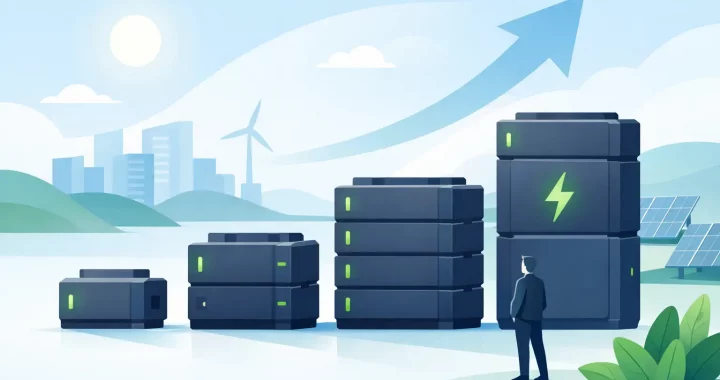
A power station that runs a refrigerator for six hours may be enough for a brief outage. It is not enough when a storm delays repairs, an RV trip stretches past a weekend, or critical devices need support through the night. Battery expansion systems address that gap by letting you add stored energy to a compatible portable power station instead of replacing the entire setup.
For households, travelers, and mobile workers, that flexibility matters. You can begin with a practical power station for daily use, then add capacity as your backup needs, appliances, or time away from the grid increase. The right system delivers quiet, fuel-free power without forcing you to pay upfront for capacity you may not need yet.
What Battery Expansion Systems Actually Do
An expansion battery is an external battery pack designed to work with a specific compatible power station. It increases the system’s watt-hour capacity, which is the amount of energy available to run devices over time. The power station still supplies the AC outlets, USB ports, inverter, display, and charging controls. The expansion battery supplies more energy for those functions to draw from.
That distinction prevents a common buying mistake. More battery capacity does not automatically mean more appliance power. If a power station has a 2,000-watt AC inverter, adding an expansion battery may let it run a 1,500-watt microwave or refrigerator longer, but it does not turn it into a 4,000-watt inverter. Output wattage and battery capacity solve different problems.
Think of wattage as the size of the load your system can handle at one time. Think of watt-hours as how long it can handle that load. A homeowner facing overnight outages may need both: enough inverter output to start a refrigerator or window air conditioner, plus enough expanded capacity to keep essential loads operating for many hours.
Why Expandable Power Makes Sense
Backup planning is rarely fixed. A family may first want power for phones, lights, a modem, and a CPAP machine. Later, they may decide to support a refrigerator, a sump pump, or a workspace during extended outages. An RV owner may start with weekend trips and eventually spend weeks traveling off-grid.
Expandable systems make that progression more manageable. Rather than buying the largest system immediately, you can match the initial purchase to your current needs and reserve room for future capacity. This is especially useful when storage space, budget, and power needs are all changing at the same time.
There is also a practical reliability benefit. Lithium-based portable power is quiet and produces no exhaust at the point of use, making it suitable for indoor backup applications when operated according to the manufacturer’s instructions. You avoid gasoline storage, engine maintenance, and the noise associated with conventional generators. For many outage scenarios, that means power can stay close to where it is needed: in the kitchen, bedroom, home office, RV, or enclosed jobsite area.
Size the System Around Your Real Loads
The best battery expansion system is not necessarily the largest one. It is the one that supports your priorities for the amount of time you need. Start by identifying the loads that matter when grid power is unavailable. For an emergency setup, that may include refrigeration, communication devices, lighting, medical equipment, and a fan. For travel, it may include a portable fridge, water pump, laptops, cameras, and a coffee maker.
Check each device’s running watts and, for motor-driven appliances, its startup or surge watts. Refrigerators, freezers, pumps, and air conditioners can draw significantly more power when they first start. Your power station must have enough continuous and surge output for those demands, even if you add several expansion batteries.
Next, estimate runtime with watt-hours. If your essential devices average 300 watts and you have 3,000Wh of usable stored energy, the simple estimate is about 10 hours. Actual runtime will be lower because inverters consume some energy and appliance loads cycle on and off. A refrigerator may not run continuously, while a space heater often does. Use estimates as a planning tool, not a guarantee.
A few questions usually clarify the right capacity:
- Do you need overnight coverage or multi-day outage support?
- Are you powering small electronics, high-draw appliances, or both?
- Will solar panels be available to recharge during an outage or while traveling?
- Do you need a system that is easy to move, or can the battery remain in a dedicated location?
The answers determine whether a single power station is sufficient or whether expansion capacity is the smarter long-term choice.
Compatibility Comes Before Capacity
Expansion batteries are not universal accessories. They generally use brand- and model-specific communication ports, cables, charging logic, and battery management systems. Before purchasing, confirm that the expansion battery is explicitly compatible with your exact power station model. Also verify how many batteries the unit supports and whether the system requires a specific connection order or firmware version.
This is where a complete system specification matters more than a single headline number. Review the base station’s AC output, total expandable capacity, solar input limits, AC charging speed, battery chemistry, and supported expansion modules. A large battery bank is less useful if the system cannot recharge quickly enough for your situation.
LiFePO4 battery chemistry is a strong consideration for preparedness-focused buyers because it is widely valued for long cycle life and thermal stability. Still, chemistry is only one part of the decision. The enclosure, operating temperature range, warranty coverage, port selection, and support for your intended loads all deserve equal attention.
Plan for Recharging, Not Just Runtime
Stored power is only as useful as your ability to replenish it. During a one-night outage, a fully charged expanded system may be all you need. During a longer event, recharging becomes part of the plan.
AC charging is usually the fastest option when grid power is available before or after an outage. Solar charging gives you more independence during camping, RV travel, or daylight outage conditions, but panel output changes with weather, shading, panel angle, and season. Do not assume a solar panel’s rated wattage will be available all day. Build in margin, especially if refrigeration or medical devices are part of your plan.
Vehicle charging can be helpful while traveling, though it is typically slower than AC or a properly sized solar array. Some users combine methods: charging the power station before departure, using solar during the day, and adding vehicle charging while driving. The right approach depends on where you will be and how quickly your battery bank must recover.
Use Expanded Capacity Wisely During an Outage
When the power goes out, battery capacity can disappear quickly if every appliance stays connected. Prioritize loads that protect health, food, communication, safety, and work. A refrigerator, modem, lights, phone chargers, CPAP machine, and laptop usually deliver more value than a high-wattage heater, electric range, or clothes dryer.
Pay attention to standby draw as well. Devices that appear off may still consume small amounts of power. Turn off unused AC outlets if your power station allows it, and avoid leaving unnecessary chargers, entertainment equipment, or countertop appliances connected. These small decisions can add meaningful runtime over a long night.
For high-demand appliances such as window air conditioners, confirm both the startup rating and the expected duty cycle. An expanded system can make air conditioning practical for a limited space or a limited time, but runtime varies sharply with outdoor temperature, insulation, thermostat settings, and the unit’s efficiency. It depends on the conditions, so test the setup before severe weather arrives.
Placement, Storage, and Readiness
Expansion batteries add weight. Plan where the system will live before you need it. A garage shelf may be convenient for storage but inconvenient during an outage if the power station must be carried up stairs. Many households keep their main station in an accessible interior location and store additional modules nearby, protected from moisture, extreme temperatures, and physical damage.
Keep cables organized with the system, and periodically check the battery level and connection points. If your setup supports app monitoring or an onboard display, review it before storm season and after long storage. Run a short test with the appliances you expect to use. That is the time to find an undersized cable, an unexpected surge demand, or a missing adapter – not after the lights go out.
Thundervolt Power customers often choose expandable configurations because readiness does not have to be all-or-nothing. A properly matched power station, expansion battery, and charging plan can support the essentials now and leave room for the needs that come next.
Start with the loads you cannot afford to lose, size for the hours that matter most, and choose a compatible system with a clear path to add capacity. Preparedness becomes much more practical when your power can grow with your life.
