
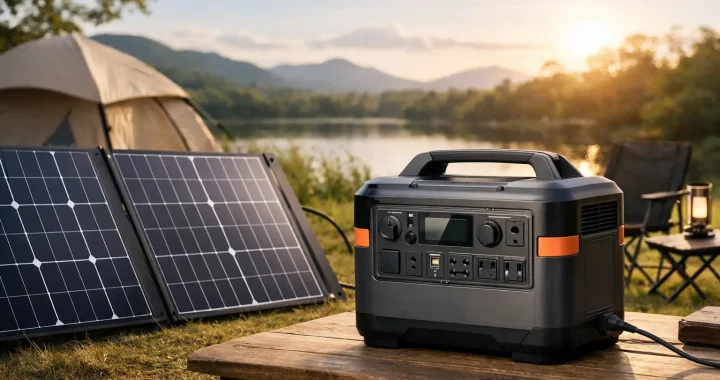
When the grid drops in the middle of a storm, specs stop being abstract. What matters is whether a power station can keep the fridge cold, the router on, the phone charged, and a few lights running without drama. That is the real test behind any Fossibot solar generator review, and it is where this brand gets interesting.
Fossibot has built a reputation around high-capacity portable power with practical features that matter in outages, RV setups, and off-grid use. These units are not trying to be novelty camping gadgets. They are aimed at buyers who need serious battery capacity, high inverter output, and recharging options that fit real life, including AC wall charging, car charging, and solar input.
Fossibot solar generator review: what stands out
The first thing most buyers notice is value for output. Fossibot models often pair large LiFePO4 battery packs with inverters strong enough to run demanding appliances. That matters if your goal is more than charging phones and laptops. For many households, the appeal is simple – a unit that can support a refrigerator, CPAP, microwave, power tools, or even a small window AC in the right conditions.
LiFePO4 battery chemistry is a major plus. Compared with older lithium-ion designs, LiFePO4 generally offers longer cycle life, better thermal stability, and a stronger fit for frequent use or emergency readiness. If you are buying backup power to sit ready for storm season and then work hard when needed, battery chemistry is not a side detail. It affects long-term value.
Fossibot units also tend to offer a wide mix of outputs. That usually includes AC outlets, USB-A, USB-C, 12V car ports, and DC options. For mixed-use households and travelers, that flexibility removes a lot of hassle. You can power a cooler, recharge drones, run a laptop, and keep medical or communications gear online from the same system.
Where Fossibot performs well in real use
For home backup, Fossibot is strongest as a short-duration resilience tool rather than a whole-home replacement. That distinction matters. If the power goes out for a few hours or overnight, a properly sized unit can carry essential loads very well. If you expect to run central air, electric water heating, and every major appliance for days, you need a much larger backup strategy.
In practical outage use, a high-capacity Fossibot unit can cover the essentials that make a home livable. Refrigeration, device charging, internet equipment, fans, lights, and some medical equipment are realistic use cases. You may also be able to run a microwave or coffee maker in short bursts, assuming the inverter rating and surge capacity support it.
For RV and travel use, Fossibot makes even more sense. Quiet operation is a real advantage when compared with gas generators, especially in campgrounds, overnight stops, and family travel. There is no fuel storage, no pull-start frustration, and no engine noise. If your priorities are convenience and clean indoor-safe operation, battery power has a clear edge.
Jobsite and mobile work users can also get solid value here, especially if they need portable AC power without gas fumes or noise restrictions. The trade-off is runtime. A battery station can handle tools and charging gear, but high-draw equipment will drain capacity fast. That does not make it a bad fit. It just means matching the power station to the actual work cycle matters.
Charging speed and solar performance
Charging speed is one of the more important parts of any buying decision, and it is an area where Fossibot can be competitive. Fast AC charging reduces downtime and makes the unit more practical for repeated use. If a power station takes all day to recharge, it becomes harder to depend on during back-to-back outages or continuous travel.
Solar charging is where expectations need to stay realistic. A solar generator is only as effective as the panel array, the weather, and the available sunlight. The phrase sounds self-sufficient, but solar input is variable by nature. Under strong sun with enough panel wattage, Fossibot systems can be a useful renewable charging solution. Under clouds, shade, winter conditions, or poor panel placement, recharge times stretch quickly.
That does not make solar a weak feature. It means solar works best when the setup is sized correctly. For emergency preparedness, solar adds endurance. For off-grid living or long RV stays, it reduces dependence on shore power. For buyers who expect one small panel to fully recharge a large battery every day, disappointment is likely.
How much can a Fossibot unit actually run?
This depends on two numbers: inverter output and battery capacity. Inverter output tells you what the unit can run at one time. Battery capacity tells you how long it can run it. Buyers often focus too much on wattage and not enough on watt-hours.
A larger Fossibot model may be able to start and run kitchen appliances, portable heaters, sump pumps, or air conditioners that smaller stations cannot touch. But runtime is still governed by load. A fridge may run for many hours because it cycles on and off. A space heater pulling constant high wattage can drain even a large battery much faster than expected.
For that reason, the best Fossibot buyers are usually the ones who define priorities early. If your goal is emergency essentials, you can stretch battery life effectively. If your goal is maximum comfort with heavy electric heating or cooling, you will need either a larger system, more solar input, or lower expectations on runtime.
The trade-offs to keep in mind
A balanced Fossibot solar generator review has to mention the downsides. Large-capacity power stations are heavy. That is true across the category, and Fossibot is no exception. More battery means more capability, but it also means less grab-and-go portability. Some units are portable in the technical sense, yet still better moved with handles, wheels, or a planned setup.
Price is another factor. While Fossibot can offer strong value against similarly sized competitors, high-capacity battery systems are still a meaningful investment. For occasional phone charging on weekend trips, they may be overkill. For outage protection, RV independence, or frequent mobile work, the cost starts to make more sense because the system is solving a bigger problem.
Display quality, app control, and interface design can also influence the experience. Some buyers care most about clean readouts, intuitive controls, and easy monitoring. Others care only that the unit delivers power when needed. Fossibot tends to appeal more to the second group – practical users who want strong core performance first.
Noise is usually low, but not always silent. Battery stations are much quieter than gas generators, yet cooling fans can become noticeable under heavy charging or high output. For most buyers, this is minor. Still, if you are using the unit in a bedroom, van, or small enclosed area, fan behavior may matter more than expected.
Who should buy Fossibot and who should not
Fossibot is a strong fit for homeowners preparing for outages, RV users who want meaningful battery capacity, off-grid travelers, and families who need dependable backup for critical devices. It also fits buyers who want LiFePO4 chemistry, solid inverter output, and multiple recharge paths without stepping into overly complicated systems.
It is less ideal for shoppers who want ultra-light portability, very low entry pricing, or whole-home backup from a single box. If your needs are modest, a smaller class of power station may be more practical. If your needs are much larger, you may need an expandable or professionally integrated backup setup instead.
Is Fossibot better than a gas generator?
That depends on the job. For indoor-safe use, low noise, no fuel handling, and easy everyday convenience, Fossibot has clear advantages. For very long runtimes at high continuous loads, gas still has range advantages as long as fuel is available. Many prepared households now look at this less as an either-or choice and more as a use-case decision.
Battery systems are often the better answer for overnight use, apartment living, RV travel, and running electronics or essential appliances quietly. Gas generators still make sense for extended outages with large loads, especially when refueling is easy. The best choice depends on what you need to power, for how long, and under what conditions.
Final take on Fossibot
Fossibot gets the fundamentals right where they count: battery chemistry, usable output, practical charging options, and real backup potential beyond small-device charging. It is not the lightest option, and it is not magic – heavy loads still require careful planning. But for buyers who want quiet, dependable power for outages, travel, or off-grid use, it is a serious option worth considering.
If you are comparing models, focus less on marketing language and more on your real must-run devices, your target runtime, and how you plan to recharge. That is the fastest way to tell whether a Fossibot unit will feel oversized, undersized, or exactly right when the power is not there and you need it to be.
