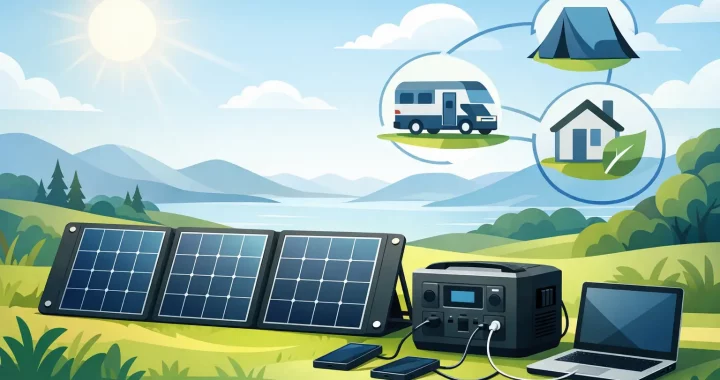
Can a Power Station Run a Microwave?

Can a Power Station Run a Microwave?

That question usually comes up right after the power goes out or when you’re trying to make an RV kitchen actually useful: can a power station run microwave use without tripping, beeping, or shutting down? The short answer is yes, many can. The catch is that microwaves are one of the more demanding small appliances you can plug into a portable power station, so the inverter size, surge capacity, and battery storage all matter.

If you get the numbers wrong, the microwave may fail to start even though the power station looks large on paper. If you get them right, a quality unit can handle quick reheats, simple meals, and emergency cooking without fuel, noise, or exhaust. That makes this less about guesswork and more about matching the appliance to the right level of backup power.

Can a power station run microwave loads reliably?

Yes, but not every model can do it. A microwave pulls a lot of power in a short burst, and the label on the front does not always tell the whole story.

For example, a microwave advertised as 900 watts of cooking power may actually draw 1300 to 1500 watts from the wall. That difference matters because portable power stations are rated by output wattage, not just battery size. If your unit has a 1000W inverter and your microwave needs 1400W to operate, it will not run, even if the battery is fully charged.

This is why the first number to check is continuous AC output. For most microwaves, a power station with at least 1500W of pure sine wave AC output is a safer starting point. Larger countertop microwaves may need 1800W to 2200W or more, especially at startup.

What makes microwaves harder to run than other appliances?

A microwave is not like charging a laptop or powering a TV. It uses a magnetron and internal electronics that can create a higher startup demand than many people expect. Some units also cycle power in pulses rather than drawing it evenly, which can confuse lower-end power systems.

There are three limits that matter. The first is continuous wattage, which is what the power station can supply steadily. The second is surge capacity, which helps the unit absorb startup demand. The third is battery capacity, measured in watt-hours, which determines how long you can keep using the microwave before the station needs recharging.

In practical terms, this means a power station may be strong enough to start the microwave but not large enough to support repeated use. Or it may have plenty of battery storage but too little inverter output to turn the microwave on in the first place.

How to tell if your microwave and power station are a match

Start with the microwave’s input wattage, not just its cooking wattage. If the label says 1200W input, you need a power station whose AC inverter can comfortably exceed that. If the label only shows cooking power, assume actual draw will be higher.

As a rough guide, a 700W microwave often draws around 1000W to 1100W. A 900W microwave may draw 1300W to 1500W. A 1000W to 1200W microwave can push well into the 1500W to 1800W range. Compact dorm or RV models are usually easier to run than full-size kitchen units.

After that, check the battery size. A microwave uses a lot of energy fast, so runtime disappears quicker than many buyers expect. If you run a 1500W microwave for 10 minutes, that is roughly 250 watt-hours of energy use before inverter losses. Real-world losses mean the power station will likely give up more than that from the battery.

A 1000Wh unit might handle a few short heating cycles. A 2000Wh class system gives you more breathing room, especially if you are also powering lights, a fridge, phones, or a router during an outage.

Can a power station run microwave use during an outage?

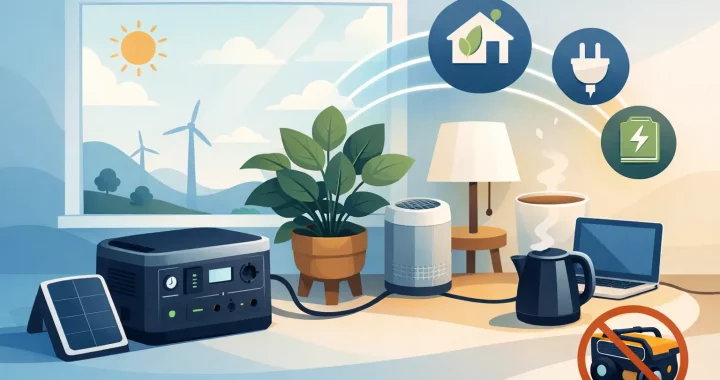
Yes, and this is one of the most practical use cases if you size the system correctly. During a blackout, a microwave can help with fast meal prep, boiling water alternatives, reheating shelf-stable food, and warming baby bottles or simple meals without needing propane or a gas generator.

The trade-off is efficiency. A microwave is useful in short bursts, but it is not a low-draw appliance. If your backup plan depends on stretching stored energy over many hours, each minute of microwave use needs to count.

For outage planning, it often makes sense to treat the microwave as a short-duration appliance rather than an always-available kitchen tool. Use it to heat food quickly, then turn it off and reserve the rest of your power for refrigeration, communications, medical devices, or charging.

What size power station is best for a microwave?

For most households, RV users, and emergency setups, the practical floor is around a 1500W inverter with enough battery capacity to make usage worthwhile. That usually means a mid-size to large portable power station rather than an entry-level unit.

If your goal is occasional use with a compact microwave, a unit in the 1000Wh to 1500Wh range with strong AC output may be enough. If you want better runtime, more confidence with startup loads, or the ability to run multiple essentials at once, moving into the 2000Wh class is a better fit.

Expandable systems are especially useful here. They let you start with enough inverter power to run the microwave, then add battery capacity for longer outages, RV travel, or off-grid weekends. That is often a smarter path than buying a small station that can technically run the microwave once or twice but leaves very little energy for anything else.

A few real-world scenarios

At a campsite, a compact microwave in an RV may work well on a properly sized power station, especially if you are charging from solar during the day. The key is timing. Running the microwave when the battery is already low is more likely to trigger shutdowns.

At home, using a power station for microwave duty during storms or grid outages is realistic if the station has enough inverter headroom. If the same unit is also carrying a refrigerator, coffee maker, or space heater, capacity planning becomes more important. You may need to avoid running major appliances at the same time.

On a jobsite or in a mobile setup, microwave use is possible, but it should not be treated as a casual add-on. High-draw appliances quickly expose whether your backup power is truly sized for real work or just light electronics.

Common mistakes that cause microwave failures

The most common problem is relying on the microwave’s cooking wattage instead of its actual input draw. That leads people to buy a station that looks close enough on paper but cannot support the real load.

Another issue is overlooking surge performance. Some power stations advertise a high output number but struggle with startup demands from appliances that do not ramp up gently.

Battery size is the other big miss. A microwave may run for a few minutes on a smaller station, but if your plan includes multiple meal cycles, coffee, lighting, and device charging, that battery will drain faster than expected.

It also matters that the station uses a pure sine wave inverter. Most quality portable power stations in this category do, and that is the safer choice for sensitive electronics and appliance compatibility.

When a microwave is not the best fit

Sometimes the answer is technically yes but practically no. If you have a very large kitchen microwave, a small portable power station, or a backup plan built around conserving every watt-hour, using the microwave may not be the smartest move.

In those cases, lower-draw cooking options may stretch battery power better. But if microwave use is a priority, the better answer is not to compromise around it. It is to choose a power station built for serious appliance loads, ideally with LiFePO4 battery chemistry, strong inverter output, and room to expand.

That is the difference between emergency power that only covers phones and lights and a system that supports real household convenience when the grid is down.

If you are buying with microwave use in mind, think beyond whether it can work once. Think about whether it can work when you need it most, with enough reserve left for everything else that matters. That is the kind of power planning that holds up when conditions are not ideal.

Portable Power Station for Van Life

A dead house battery at 10 p.m. changes your opinion of power fast. So does a warm fridge, a laptop at 4 percent, or a fan that quits in the middle of a humid night. That is why choosing the right portable power station for van life is less about convenience and more about keeping your setup usable day after day.

For many van owners, a portable system makes more sense than building a full custom electrical setup from scratch. It is faster to deploy, easier to understand, and a lot less intimidating if you do not want to wire an inverter, charge controller, fuse block, and battery bank yourself. But not every unit is a good fit for mobile living. The right choice depends on how you travel, what you need to run, and how often you can recharge.

What a portable power station for van life actually needs to do

A van setup puts different demands on portable power than a weekend picnic or a tailgate. In a van, your power source often becomes your daily electrical backbone. It may need to charge phones, run a fridge, power lighting, keep camera gear ready, support remote work, and handle occasional appliance use without forcing you to constantly monitor battery levels.

That changes the buying criteria. Capacity matters, but so does usable output, charging speed, battery chemistry, and how the unit fits your space. A power station that works well for occasional camping may feel undersized in a van after two or three days on the road.

LiFePO4 battery chemistry is usually the stronger match here because it offers longer cycle life and better long-term value for frequent use. If you are living out of a van full time or taking extended trips, that matters. A lower-cost battery may look appealing upfront, but repeated charging and discharging will expose the difference quickly.

Capacity matters, but daily habits matter more

Shoppers often start with watt-hours, and that is the right place to begin. But the better question is not just, “How big is the battery?” It is, “What do I use in a normal day?”

If your van life setup is light – phones, lights, a fan, and a laptop – a smaller station may cover your needs. If you add a 12V fridge, coffee maker, blender, induction cooktop, or CPAP machine, your power demand rises fast. Air conditioning pushes you into a different category entirely.

A rough pattern helps. Light users may get by with around 500Wh to 1000Wh. Moderate users often land closer to 1000Wh to 2000Wh. If you want to support heavier appliance use or longer off-grid stretches, 2000Wh and above is where the conversation gets more serious. That does not mean bigger is always better. A large unit adds weight, takes up space, and costs more. In a van, every inch and every pound count.

The smart move is to estimate one full day of use, then build in margin. Batteries perform best when you are not constantly draining them to the edge.

Inverter size decides what you can actually run

Capacity tells you how long a battery can supply power. Inverter rating tells you what it can power at all. This is where many buyers get tripped up.

If you only need USB charging and low-draw electronics, almost any decent unit will work. But as soon as you want to run AC appliances, the inverter rating becomes critical. A low-capacity appliance with a startup surge can still overwhelm a smaller system. Coffee makers, electric kettles, microwaves, and portable AC units can all demand more than people expect.

For van life, pure sine wave output is the standard worth looking for. It gives you safer, cleaner power for sensitive electronics and better compatibility with a wider range of devices. If you work remotely from the road or carry camera equipment, routers, monitors, or medical devices, this is not the place to cut corners.

As a practical baseline, think in two categories. For light and mixed use, an inverter around 1000W to 1800W covers a lot. For more demanding appliances, 2000W and above gives you far more flexibility. Just remember that running a high-wattage appliance for a few minutes is different from running it for hours.

Charging speed can matter as much as battery size

A large battery is useful only if you can refill it in a realistic way. In van life, charging options usually include shore power, alternator charging, solar input, or a mix of all three.

Fast AC charging is valuable when you stop at a campground, a friend’s driveway, or any location with plug-in access. The ability to recover a large portion of your battery in a short window gives you more flexibility on the road.

Solar is where many van owners focus, and for good reason. It gives you quiet, renewable charging without relying on fuel or hookups. But solar performance depends on weather, season, panel size, roof space, and where you park. If your power station supports strong solar input, that helps, but the actual results still vary. Tree cover, winter sun angles, and short daylight hours can reduce output enough to change your routine.

Alternator charging is another practical tool, especially if you drive often. Some portable systems support this directly or through accessories, and it can make a major difference for travelers who move regularly. If you tend to stay parked for several days at a time, solar capacity becomes more important.

The best setup is usually the one with more than one charging path. Redundancy is part of preparedness.

Space, weight, and portability are real van-life limits

It sounds obvious, but a portable unit still has to be portable in your actual van. A high-capacity model may offer excellent performance, but if it is awkward to move, hard to ventilate, or consumes your main storage area, it may create as many problems as it solves.

Think about where the unit will live, how close it needs to be to your devices, and whether you plan to remove it for use outside the van. Handles, wheel kits, cable management, and display readability matter more in daily use than they do on a spec sheet.

This is also where expandable systems deserve attention. If you want room to grow without replacing your original unit, expansion batteries can be a practical path. They let you start with a manageable footprint and scale up if your needs increase.

Features that are worth paying for

Not every feature is a necessity, but some are especially useful for mobile living. Multiple AC outlets, regulated 12V outputs, USB-C fast charging, and a clear display all make daily use easier. An app can be convenient, though it should not replace good onboard controls.

Pass-through charging can help when you want to use devices while the station is recharging. UPS-style backup functionality may matter if you run sensitive equipment. Built-in safety protections, cooling design, and battery management quality are not flashy selling points, but they directly affect reliability.

This is where curated product selection matters. Retailers like Thundervolt Power focus on systems that pair higher-capacity lithium storage with practical outputs, fast recharging, and options for solar and expansion. For van life, those are not extras. They are the features that make the system usable beyond a short trip.

When a portable power station is the right choice – and when it is not

A portable power station for van life is a strong fit if you want plug-and-play simplicity, clean indoor-safe operation, and the option to move your power source between the van, campsite, home, or jobsite. It also makes sense if you are not ready to commit to a fully hardwired electrical build.

It may be less ideal if your van is built around heavy daily loads like rooftop air conditioning, electric cooking, or constant high-draw appliance use. In that case, a custom system with dedicated alternator charging, fixed solar, and larger battery storage may be the better long-term answer. Some portable systems can support pieces of that lifestyle, especially larger expandable units, but there is still a point where a permanent build becomes more efficient.

That is why the best buying decision usually comes from honesty, not ambition. Buy for how you actually travel, not for the version of van life that looks good in a video.

How to choose with fewer regrets

Start with your non-negotiables. If your fridge must stay cold, your laptop must charge daily, or your CPAP must run overnight, those loads come first. Then look at charging reality. Are you driving every day, parked in full sun, or relying on occasional hookups? Finally, check the physical fit. A powerful system that does not fit your van well is still the wrong system.

If you are deciding between two sizes, the better value is often the one with enough headroom to reduce stress, not just the cheaper price tag. Power confidence is part of the point. You do not build van life around electricity, but when your power is stable, the rest of the trip gets easier.

A good unit should leave you thinking less about battery percentage and more about where you are headed next.

Solar Generator vs Gas Generator

When the grid drops in the middle of a storm, the difference between a minor disruption and a serious problem often comes down to one question: solar generator vs gas generator. Both can keep essential devices running, but they solve the problem in very different ways. One depends on stored battery power and optional solar recharging. The other depends on fuel, engine output, and regular maintenance.

For many buyers, this is not really a debate about technology. It is a decision about how you want to live through an outage, a camping trip, an RV stop, or a workday away from utility power. Noise, refueling, indoor safety, maintenance, and appliance compatibility all matter just as much as raw wattage.

Solar generator vs gas generator: The core difference

A solar generator is typically a portable power station paired with solar panels. It stores electricity in a battery, then delivers that power through AC outlets, USB ports, and DC outputs. There is no engine, no gasoline, and no combustion. Many modern systems use LiFePO4 batteries, pure sine wave inverters, and fast wall charging to make backup power easier to use at home and on the move.

A gas generator creates electricity by burning fuel in an engine. That design gives it strong continuous power for heavy loads, but it also brings noise, exhaust, fuel storage, and maintenance. For some users, that trade-off is worth it. For others, it is the exact reason they want a cleaner option.

The better choice depends on what you need to power, how long you need it, and where you plan to use it.

Where solar generators make more sense

If your priority is quiet, simple backup power, a solar generator usually has the edge. You press a button, connect your devices, and start using stored energy. There is no pull cord, no oil check, and no need to store fuel in the garage.

This matters most in situations where convenience and safety are not optional. Homeowners using a backup system overnight, families powering CPAP machines or refrigerators during outages, and RV travelers stopping in quiet campgrounds often prefer battery-based systems because they can run without disturbing sleep or attracting complaints.

Solar generators also work well indoors. Since they do not produce fumes, they can be used inside a house, cabin, trailer, or tent-adjacent setup, as long as the unit is operated according to manufacturer guidance. That alone changes the experience during an emergency. You do not have to run extension cords across a wet yard just to keep phones charged or a modem online.

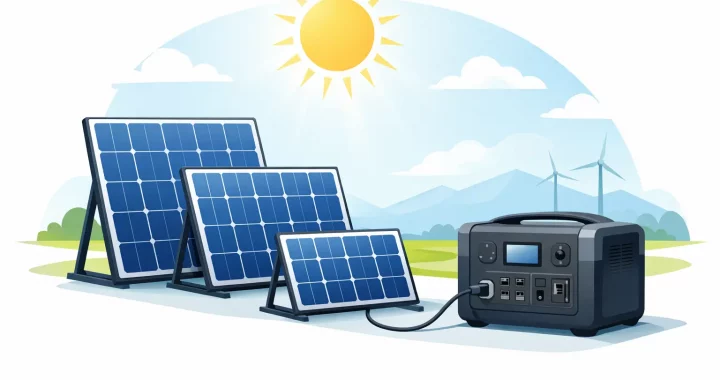
Recharging flexibility is another advantage. You can top up from a wall outlet before a storm, recharge from your vehicle while traveling, or pair the system with portable solar panels when the outage stretches on. That gives you options when gas stations are closed or fuel supplies are limited.

Where gas generators still win

Gas generators still make a strong case when the job demands high surge output, long run times with refueling, or support for large power tools and whole-home style loads. If you need to run multiple heavy appliances for extended periods, especially in a setting where noise is not a major concern, gas can still be the practical tool.

Contractors, for example, may need sustained output for demanding equipment on jobsites. Some homeowners also prefer gas for emergency backup if their main goal is keeping larger systems running as long as they have fuel on hand.

That said, the advantage is not universal. A lot depends on the generator size, the load profile, and how realistic fuel management will be during a real event. A generator is only as useful as the fuel you can safely store and access.

Noise, safety, and daily usability

This is where the gap becomes obvious.

A solar generator is quiet enough for indoor use, nighttime operation, and close-quarter environments like campsites or RVs. If you want to keep lights on, charge devices, run a fan, or support a small appliance without adding stress to the situation, battery power feels much more manageable.

A gas generator is louder by design. Even inverter gas models create engine noise, and conventional units are significantly louder. During an outage, that can be more than an annoyance. It can interrupt sleep, bother neighbors, and make it harder to hear weather alerts or conversations.

Safety is just as important. Gas generators produce carbon monoxide and must never be used indoors, in a garage, or near open windows. Every storm season brings stories of unsafe setups and preventable injuries. Solar generators avoid that entire category of risk.

For many households, that changes the buying decision. People do not just want power. They want backup power that is easy to use correctly under stress.

Fuel dependence vs energy independence

Gas generators are tied to fuel availability. If you have gasoline, stabilized storage, and a safe place to run the unit, you can keep producing power. If roads are blocked, stations are empty, or fuel has gone stale, your options narrow fast.

Solar generators shift the equation. You can recharge from the grid before an outage and from solar when the sun is available. That does not mean unlimited power. Battery systems still have capacity limits, and cloudy weather can slow solar input. But they reduce dependence on fuel logistics at the exact time those logistics often break down.

For preparedness-minded buyers, this is one of the biggest reasons to choose a solar setup. It is not just about convenience. It is about having a power source that stays useful when supply chains do not.

Power output and what you can actually run

This is the section that deserves honest trade-offs.

A gas generator often offers higher running watts for the price, especially at the larger end. If your plan is to support multiple major appliances at once, that can be attractive.

A solar generator, on the other hand, is usually a more precise power solution. You match battery capacity, inverter size, and output ports to the loads you care about most. That can include a refrigerator, router, phones, lights, laptops, TVs, CPAP machines, and in some cases even microwaves or window air conditioners, depending on the unit.

The key is understanding that wattage and battery capacity are not the same thing. Inverter wattage tells you what the unit can run at one time. Watt-hours tell you how long it can run those devices. A system with strong output but limited storage may power a large appliance briefly. A system with expandable battery capacity can support essential loads much longer.

That is why many buyers now choose larger lithium power stations instead of small emergency packs. They want backup power that covers real household needs, not just phone charging.

Maintenance and long-term ownership

Gas generators ask more from you over time. Engines need maintenance. Fuel has storage limits. Oil changes, spark plugs, and occasional startup checks are part of responsible ownership. If you skip those steps, the unit may not perform when you need it most.

Solar generators are generally easier to live with. Keep the battery charged, store the unit properly, and follow the manufacturer’s guidance for long-term battery health. There are fewer moving parts and fewer routine tasks.

For buyers who want dependable backup without a mechanical learning curve, that simplicity matters. It is one reason stores like Thundervolt Power focus on portable lithium systems built for practical readiness rather than fuel-driven complexity.

Best choice by use case

For home outages, a solar generator is often the better fit if your goal is quiet, indoor-safe power for essentials and convenience loads. If you need to keep a fridge cold, communication devices charged, and critical electronics running without dealing with fuel and noise, it is a strong answer.

For camping, RV travel, tailgating, and mobile living, solar is usually the clear winner. Quiet operation, no fumes, and easy recharging align better with how people actually use portable power in those settings.

For heavy-duty jobsites or large load demands over long periods, gas may still be the stronger option, especially if fuel access is reliable and outdoor operation is not a problem.

For emergency preparedness, many households are moving toward solar because it is faster to deploy, safer around the family, and easier to use consistently. Some buyers even pair both solutions – battery power for daily essentials and quiet overnight use, gas for occasional high-demand backup.

So which one should you buy?

If you want the shortest answer to solar generator vs gas generator, here it is: buy for the loads you actually need, not the scenario you imagine once a year.

If your priority is clean, quiet, low-maintenance power for outages, travel, and everyday resilience, a solar generator is usually the better long-term fit. If your priority is maximum continuous output and you are prepared to manage fuel, noise, and maintenance, a gas generator can still earn its place.

The smartest backup plan is the one you will use confidently when conditions are bad. Choose the system that fits your space, your habits, and the devices you cannot afford to lose power to.

Best Lithium Battery Generator for Tailgating

Best Lithium Battery Generator for Tailgating

The first thing that ruins a good tailgate is not the weather. It is losing power halfway through the pregame. A lithium battery generator for tailgating solves that problem without the noise, fumes, and fuel hassles that come with gas equipment. If you want steady power for a TV, speaker, phone chargers, blender, or electric grill, the right setup keeps the party running and the parking lot a lot calmer.

Why a lithium battery generator makes sense for tailgating

Tailgating power needs are different from home backup needs. You are not trying to run an entire house. You want clean, portable electricity that sets up fast, stays quiet, and does not force you to keep extra gas in the trunk.

That is where lithium power stations stand out. They are easier to transport, simpler to use, and far more practical in crowded lots where noise and exhaust matter. Many models also use LiFePO4 battery chemistry, which is valued for long cycle life, thermal stability, and better long-term durability than older battery types.

For tailgaters, the biggest advantage is convenience. Press a button, plug in your gear, and you are ready. No pull cord. No refueling. No engine noise competing with your music or the game audio.

What to look for in a lithium battery generator for tailgating

The best choice depends on what you actually plan to power. A small unit may handle phones, a portable speaker, and a tablet all day. Once you add a TV, a mini fridge, or cooking gear, your requirements change fast.

Battery capacity matters more than most buyers think

Capacity is measured in watt-hours. This tells you how much energy the unit stores. If your setup is light, around 500Wh to 800Wh may be enough for a short event. If you are running a TV, powered cooler, lights, and several chargers for hours, you will likely want 1000Wh or more.

A common mistake is buying based on outlet count instead of battery size. Plenty of ports do not help if the battery runs dry before kickoff.

Output wattage determines what you can run

Wattage tells you how much power the generator can deliver at one time. This is critical for appliances with heating elements or startup surges. A TV and phone chargers do not ask for much. An electric griddle, coffee maker, or portable ice maker can demand much more.

For lighter tailgating, a unit with 500W to 1000W of AC output often works well. If you want more flexibility for cooking appliances or larger entertainment setups, stepping up to 1500W or 2000W gives you more room. Pure sine wave output is also worth prioritizing because it delivers stable power for sensitive electronics like TVs, laptops, and audio gear.

Portability is not just about weight

It is easy to focus on capacity and forget that you still have to move the unit from your vehicle to your setup. A larger battery generator gives you more runtime, but it can also mean more bulk. Wheels, handles, and overall shape matter if you are hauling chairs, coolers, and canopies at the same time.

There is always a trade-off here. Smaller units are easier to carry. Larger units reduce the risk of running out of power. The best fit depends on how much gear you bring and how far you need to carry it.

Charging speed affects how usable it feels

Fast recharging is one of the most underrated features. If you tailgate regularly, a unit that recharges quickly at home is easier to keep ready. Some models also support car charging or solar input, which can help during longer events or weekend trips.

Solar can be useful, but it depends on the situation. In an open lot with good sun exposure, portable solar panels can extend runtime. In shaded areas or packed stadium parking, solar is less predictable. For most tailgaters, AC charging before leaving home remains the main strategy.

How much power do tailgating essentials actually use?

This is where shopping gets practical. Your generator should match your real equipment, not a vague idea of what you might use someday.

A typical flat-screen TV may use around 60W to 150W depending on size and brightness. A portable speaker might draw 20W to 100W. A phone charger uses very little, but several devices charging at once add up over time. A compact electric cooler could draw 40W to 70W while cycling, while an electric grill or griddle may pull 1000W to 1600W.

That means a moderate-capacity unit can handle entertainment gear with no trouble, but cooking appliances are where battery size and inverter output start to matter. If you are planning to cook with electricity, not propane, shop with that in mind from the start.

Matching the power station to your tailgate style

Not every tailgate looks the same, and your power needs should reflect that.

Casual setup

If your setup is mostly music, phones, a fan, and maybe a small TV, a compact lithium unit is usually enough. This is the easiest category to shop for because runtime tends to be manageable and portability stays high.

Entertainment-heavy setup

If your group brings a larger TV, multiple speakers, game consoles, or extra lighting, move into a mid-size or large power station. This gives you more runtime headroom and avoids stressing the inverter with several devices running together.

Food-first setup

If your tailgate centers on electric cooking gear, your generator needs to do more than keep devices charged. Higher AC output becomes essential, and larger battery capacity is not optional. Heating appliances can drain a small unit surprisingly fast.

All-day or weekend setup

If you arrive early, stay late, or roll tailgating into camping, look at larger LiFePO4 systems with expansion options. Extra battery capacity can make a meaningful difference when the event stretches beyond a few hours.

Why lithium beats gas in the parking lot

Gas generators still have their place, especially for very high loads and long runtimes where refueling is practical. But for tailgating, they often create more problems than they solve.

They are loud. They produce exhaust. They require fuel storage and maintenance. They can also be a poor fit in crowded spaces where people are sitting, eating, and watching the game nearby.

A lithium battery generator is quieter, cleaner, and easier to manage. That matters when you want power without turning your tailgate into a jobsite. It also makes a better impression on everyone parked around you.

Features worth paying extra for

Some upgrades are worth the cost because they improve reliability, not just convenience. A clear display helps you monitor battery percentage, output load, and estimated runtime. Multiple AC and USB outputs make it easier to keep everyone connected without hunting for adapters. Fast charging shortens the turnaround between events.

If you plan to use the same unit beyond football season, features like solar compatibility, expansion battery support, and higher surge capacity can add real value. The best portable power station is often the one that handles tailgating now and emergency backup later.

Brands carried by retailers like Thundervolt Power often focus on this broader usefulness, which is important if you want your purchase to work for recreation, outages, and travel instead of just one use case.

Common buying mistakes to avoid

The most common mistake is underestimating runtime. Buyers often assume that if a unit can power a device, it can power it for the whole event. Those are two different questions.

Another mistake is ignoring surge wattage. Some appliances need extra power at startup, even if their running wattage looks manageable. There is also the issue of overbuying. If you only need power for a speaker, phones, and a small screen, an oversized unit may add cost and weight without adding much benefit.

A little planning goes a long way. Add up the wattage of the devices you actually use, estimate how many hours they will run, and give yourself some extra margin. That is how you avoid disappointment in the lot.

The right choice is the one that keeps your setup ready

A good tailgating power station should feel simple. It should be quiet enough to disappear into the background, strong enough to handle your gear, and dependable enough that you are not checking the battery every 20 minutes. For most buyers, that means choosing a lithium unit with enough capacity for real runtime, enough inverter power for your biggest load, and enough portability that bringing it along is easy.

If your goal is a cleaner, quieter, more dependable game day setup, buying the right power station is less about chasing the biggest specs and more about matching the unit to the way you tailgate. Get that part right, and the power becomes one less thing to think about when the lot fills up and the game is getting close.

How Long Does a Solar Generator Last?

How Long Does a Solar Generator Last?

When the grid drops in the middle of a storm, the question usually is not whether your backup power works. It is how long does a solar generator last when you need it most, and how many years will it keep showing up when the power is not stable.

The short answer is that a solar generator can last anywhere from 3 to 15 years, depending on battery chemistry, usage habits, storage conditions, and build quality. For runtime on a single charge, it may last a few hours or several days, depending on battery size and what you are powering. Those are two different kinds of lifespan, and both matter if you are buying for outage protection, RV travel, jobsite use, or off-grid support.

What “last” really means for a solar generator

A lot of confusion comes from the word “last.” Some buyers mean runtime – how long the unit can power a fridge, CPAP, laptop, or window AC before the battery is empty. Others mean service life – how many years the system will remain dependable before the battery capacity drops too far or other components start to wear out.

A solar generator is really a system made up of a battery, inverter, charge controller, ports, and often solar panels sold as part of a package. The battery usually determines the long-term lifespan. The inverter and electronics matter too, but battery chemistry is usually the biggest factor in how long the unit stays useful.

How long does a solar generator last by battery type?

If you are comparing products, the battery chemistry tells you a lot.

Older portable power stations built with lead-acid batteries tend to have the shortest life. They are heavier, less efficient, and more sensitive to deep discharge. In practical terms, many lead-acid based systems may last around 3 to 5 years with careful use, sometimes less if they are drained hard and stored poorly.

Lithium-ion models generally last longer and perform better. Many standard lithium-ion units can deliver several hundred to around 1,000 charge cycles before noticeable capacity loss becomes a concern. For moderate users, that can translate to several years of service.

LiFePO4, also called lithium iron phosphate, is now the preferred chemistry for many higher-quality solar generators. It is well suited for backup power because it offers longer cycle life, better thermal stability, and more consistent long-term performance. Many LiFePO4 systems are rated for 2,000 to 3,500 cycles or more before dropping to around 80% of original capacity. In real ownership terms, that often means 8 to 15 years of useful life, depending on how often you cycle it.

That is one reason many buyers looking for dependable emergency backup choose lithium-based systems with LiFePO4 batteries. They cost more upfront in some cases, but the longer service life can make the value much better over time.

Runtime depends on battery size, not just quality

If your main concern is how long the unit will run during an outage, battery capacity matters more than age alone. Capacity is usually measured in watt-hours. A 1,000Wh power station can theoretically run a 100-watt device for about 10 hours, but real-world runtime is usually lower because inverter losses and surge demands reduce efficiency.

A small setup might keep phones, lights, and a router running overnight. A larger system with expansion batteries can support a refrigerator for many hours, or longer if you are conservative with loads. Add solar input during daylight, and the system may keep essential devices going for multiple days.

This is where buyers need to separate marketing from actual use. A solar generator does not create endless power on its own. It stores energy, then refills from wall charging, car charging, or solar panels. Runtime depends on three variables working together: battery capacity, your total load, and how much solar recharge you get each day.

What shortens the life of a solar generator?

Even a well-built unit can age faster under the wrong conditions. Heat is one of the biggest enemies. If a power station lives in a hot garage, truck cab, shed, or RV compartment for long stretches, battery degradation can accelerate.

Deep discharges also add wear. Running the battery from 100% to 0% over and over is harder on most systems than lighter cycling. LiFePO4 handles this better than many other chemistries, but gentler use still helps.

Fast charging creates a trade-off too. Quick recharge is convenient and valuable during emergencies, but frequent high-speed charging can add heat and stress over time if the system is not well managed. Better units are designed for this, but it is still a factor.

Poor storage habits also matter. Leaving a battery fully drained for weeks or months is one of the easiest ways to shorten lifespan. If you are storing a unit between seasons or emergency use, keeping it at the recommended charge level and checking it periodically makes a real difference.

Dust, moisture, and physical impact can also reduce service life, especially for users who take portable power to campsites, jobsites, and tailgates. A solar generator is easier to maintain than a gas generator, but it is still equipment, and equipment lasts longer when it is treated that way.

How long does a solar generator last in real-world use?

For a homeowner who mainly keeps a unit charged for storms and only cycles it occasionally, a quality LiFePO4 solar generator may remain useful for a decade or more. For an RV traveler or off-grid user cycling the battery almost every day, the unit may reach its rated cycle count much sooner in calendar years, even though it is still doing exactly what it was built to do.

That is why usage pattern matters more than simple age. A five-year-old backup unit used a few times each year may have plenty of life left. A two-year-old unit used daily for heavy loads may show more capacity loss already.

Capacity loss itself is normal. Batteries do not usually fail all at once. They gradually hold less energy. A unit that started at 2,000Wh may still work well after years of use, but perhaps it now delivers 1,600Wh or 1,700Wh. For phone charging and lights, that may not matter much. For refrigerators, medical devices, or longer overnight loads, it matters more.

Signs your solar generator is aging

You usually get warning signs before a unit becomes unreliable. The most common is shorter runtime. If your usual devices are draining the battery noticeably faster than before, battery capacity may be dropping.

You may also notice slower or inconsistent charging, unusual fan behavior, port issues, error messages, or the inverter struggling with loads it used to handle comfortably. In some cases, the battery is still healthy and the issue is elsewhere, but these are signs worth paying attention to.

If reliability is critical, especially for outage planning or medical support, test your system before storm season. Run the loads you expect to use and verify actual runtime. Preparedness works better when you find limitations before an emergency instead of during one.

How to make a solar generator last longer

The good news is that lifespan is not just set at the factory. Owner habits matter.

Store the unit in a cool, dry place. Avoid letting it sit empty. If the manufacturer recommends keeping it around a partial charge for storage, follow that guidance. Use the system periodically instead of forgetting about it for a year. Recharge after emergency use, and do not leave it in extreme heat or freezing conditions longer than necessary.

It also helps to size the system correctly. An undersized unit pushed to its limit every weekend will wear harder than a properly sized setup with some margin. If you expect to run larger appliances, expansion batteries or a higher-capacity model may improve both performance and long-term durability.

Buying quality matters too. Better battery management systems, stable inverters, and dependable thermal control all support longer service life. That is why serious buyers often focus on reputable lithium platforms instead of the cheapest option on the page. At Thundervolt Power, that is a big part of the value in curated portable power systems built for real backup use, not just occasional gadget charging.

So, how long should you expect one to last?

A practical expectation is this: a lower-end or older battery setup may give you 3 to 5 years, a standard lithium unit may give you 5 to 8 years, and a quality LiFePO4 solar generator can often deliver 8 to 15 years of useful service. Runtime per charge may range from hours to days depending on the battery size and your load.

That wide range is not a dodge. It is the reality of how portable power works. The right question is not just how long does a solar generator last. It is whether the system you choose is built for the way you actually plan to use it.

If your goal is dependable backup when weather hits, buy for battery chemistry, usable capacity, and long-term reliability first. A solar generator should not just power your devices on day one. It should still be ready when the next outage, road trip, or off-grid weekend shows up.

Pure Sine Wave Inverter Power Station Guide

Pure Sine Wave Inverter Power Station Guide

When the grid drops and you need to keep a refrigerator cold, a CPAP running, or a laptop charged for work, the difference between backup power that simply turns on and backup power that actually protects your equipment matters. That is where a pure sine wave inverter power station earns its place. It supplies cleaner, more utility-like AC power, which makes it a smarter fit for sensitive electronics, motor-driven appliances, and everyday devices you do not want to risk.

What a pure sine wave inverter power station actually does

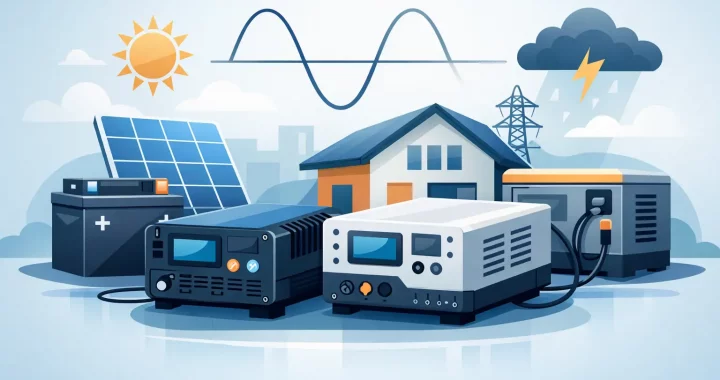
A portable power station stores energy in a battery and converts that stored DC power into usable AC power through an inverter. The inverter is the critical part here. In a pure sine wave inverter power station, the inverter produces a smooth electrical waveform that closely matches what comes from a standard household wall outlet.

That matters because many devices are designed around that smooth wave. Laptops, TVs, routers, CPAP machines, battery chargers, and appliances with variable-speed motors or electronic control boards tend to perform better on pure sine wave output. They may run cooler, quieter, and more efficiently. In some cases, they simply work more reliably.

By contrast, lower-grade modified sine wave output can create extra heat, buzzing, reduced efficiency, or compatibility issues. Some devices will still operate, but not always well. For emergency backup and daily-use portability, that trade-off is usually not worth it.

Why pure sine wave output matters in real use

The term can sound technical, but the benefit is practical. If you are powering equipment you depend on, stable output is not a luxury feature. It is part of the reason portable battery power has become a serious replacement for many gas generator jobs.

At home, pure sine wave power is useful during outages because modern households rely on electronics that are more sensitive than they used to be. Refrigerators and freezers often include control boards. Internet gear, security systems, work computers, and medical support devices all benefit from cleaner AC output. If your backup plan is meant to preserve food, communication, and basic comfort, this is the kind of detail that affects results.

On the road, the same logic applies. RV users often power microwaves, coffee makers, laptops, fans, TVs, and chargers from one compact system. Campers want quiet operation without engine noise. Contractors may need consistent power for chargers, lights, and certain tools on jobsites where fuel generators are inconvenient or restricted. Pure sine wave output supports that flexibility.

Pure sine wave vs. modified sine wave

The simplest way to compare them is this: pure sine wave is closer to utility power, while modified sine wave is a rougher approximation.

Modified sine wave systems can cost less, and for very basic loads such as some incandescent lights or simple resistive devices, they may be acceptable. But once you introduce medical devices, computers, televisions, power-tool chargers, refrigerators, or anything with an electronic brain, the safer choice is usually pure sine wave.

That does not mean every buyer needs the largest or most expensive model. It means the inverter type should match the value of what you are powering. If a device is expensive, essential, or both, cleaner output is the right place to start.

How to choose the right pure sine wave inverter power station

The inverter waveform is important, but it is only one part of the buying decision. A power station has to meet both your power demand and your runtime needs.

Start with running watts and surge watts

Running watts tell you how much continuous power your device needs. Surge watts matter for items that pull extra power at startup, such as refrigerators, pumps, or some tools. If your power station cannot handle the startup surge, the appliance may not turn on even if the listed running wattage looks fine.

This is why a small unit may be perfect for phones, laptops, lights, and a router, but not enough for a microwave or portable air conditioner. If you are shopping for outage backup, check both numbers before you buy.

Then look at watt-hours for runtime

Watt-hours tell you how much energy the battery stores. This determines how long your equipment can run. A higher-capacity unit can support the same device for a longer period, but it will usually cost more and weigh more.

A good way to think about it is this: inverter wattage determines what you can power, and battery capacity determines for how long. You need both numbers to make a smart choice.

Battery chemistry matters too

Many buyers now prefer LiFePO4 battery chemistry because it offers longer cycle life, strong thermal stability, and better long-term value for frequent use or emergency readiness. If your power station is going to sit ready for storm season, travel often, or cycle regularly with solar charging, battery chemistry is not a minor spec.

Charging speed and solar input affect preparedness

Fast wall charging can be a major advantage if an outage is approaching and you need to top off quickly. Solar compatibility matters if you want extended off-grid capability or a way to recharge during prolonged blackouts. Some systems also support car charging, dual charging, or expansion batteries, which can make a big difference if your needs grow.

Best use cases for a pure sine wave inverter power station

Home backup

For many households, the first goal is not to run the whole house. It is to keep the essentials going. That can mean refrigeration, phones, lights, internet, fans, and medical devices. A pure sine wave inverter power station gives you quiet indoor-safe power without fuel storage, pull starts, or exhaust concerns.

RV and van travel

Quiet power changes the experience of mobile living. You can run electronics and small appliances without the noise and maintenance of a gas unit. If your setup includes solar, a power station also becomes a practical daily energy hub rather than just an emergency backup.

Camping and outdoor recreation

Not every camping setup needs large capacity, but many people want more than a basic battery bank. If you are powering drones, camera gear, portable fridges, projectors, or cooking appliances, clean AC output and enough battery storage quickly become worth it.

Jobsites and mobile work

For professionals who need charging stations, lights, networking gear, or select power tools in the field, battery-based power is often easier to deploy. The quieter footprint also helps in residential areas and indoor work environments.

What buyers often overlook

One of the most common mistakes is focusing only on the biggest wattage number in the product title. That can lead to buying too small for runtime or too large for actual use. A balanced setup is usually better than chasing one spec.

Another missed detail is port selection. AC outlets matter, but so do USB-C, USB-A, 12V car ports, and RV-ready outputs if those fit your gear. The right mix can reduce adapter clutter and make the system more useful day to day.

Weight and portability deserve attention too. A high-capacity model is excellent for home backup, but if you plan to move it frequently between the car, campsite, and cabin, size matters. Some users are better served by a mid-capacity unit they will actually carry and use.

When a pure sine wave inverter power station is worth the upgrade

If your backup plan includes sensitive electronics, medical equipment, refrigeration, communications gear, or appliances with motors and control boards, it is worth the upgrade. The same goes for anyone buying a power station as a long-term preparedness tool rather than a one-time convenience item.

For occasional light-duty use, cheaper alternatives may look tempting. But if reliability is the priority, cleaner power tends to justify itself quickly. The point is not to buy more than you need. The point is to buy a system that performs predictably when the weather changes, the campground goes quiet, or the power cuts out at the worst time.

Choosing for readiness, not just specs

A good backup system should feel straightforward. It should charge fast enough to be ready, run the devices you care about, and give you confidence that your power source will not become the problem. That is why product selection should always come back to real use: what you need to run, how long you need to run it, and whether expansion or solar charging will matter later.

At Thundervolt Power, that practical approach is what separates a useful portable power setup from one that only looks good on a spec sheet. If you are preparing for outages, building an RV power setup, or replacing generator noise with quieter battery power, start with the essentials and choose a system built around stable output you can trust.

The best time to figure out your backup plan is before you need it, while you still have time to match the right power station to the way you actually live.

Best Solar Generator for Apartment Blackout

Best Solar Generator for Apartment Blackout

When the lights go out in an apartment, the problem is rarely just darkness. Your phone battery starts dropping, the router dies, refrigerated food becomes a countdown, and if you rely on a CPAP machine, work equipment, or small medical devices, an outage gets serious fast. A solar generator for apartment blackout situations gives you a quiet, indoor-safe backup power option without storing gas, running extension cords from a car, or dealing with the noise and fumes of a fuel generator.

Why a solar generator makes sense in an apartment blackout

Apartment living changes the backup power equation. You usually do not have a garage, backyard, or legal place to run a gas generator safely. Building rules, shared walls, limited storage, and indoor air safety all matter more in a multi-unit space than they do in a detached house.

That is why battery-based solar generators are such a practical fit. They store power in a portable battery station and deliver electricity through AC outlets, USB ports, and DC outputs. You can charge them from the wall before a storm, top them off from your car when needed, and in some cases recharge them with portable solar panels when sunlight is available.

For apartment residents, the biggest advantages are simple: they are quiet, they produce no exhaust, and they can be used indoors. That makes them useful not just for emergencies, but also for everyday readiness.

What a solar generator for apartment blackout use can actually power

This is where expectations matter. A solar generator can be an excellent apartment backup, but the right unit depends on what you need to keep running.

A smaller power station is often enough for phones, tablets, laptops, Wi-Fi routers, lights, modems, rechargeable fans, and a television for a few hours. A mid-size unit can usually add a mini fridge, CPAP machine, work monitors, and charging for multiple devices. A larger system can support heavier loads such as a full-size refrigerator for a limited period, microwave use in short bursts, or even certain window AC units if the inverter and surge capacity are high enough.

What it usually will not do for long is run your entire apartment like nothing happened. Electric stoves, central air systems, space heaters, and large dryers are high-demand appliances. If those are your priority, you need a much larger backup strategy than most apartment setups allow.

The better question is not, can it run everything? It is, what must stay on during the outage?

The two numbers that matter most

If you are shopping for backup power, ignore marketing claims until you check two specifications: wattage and watt-hours.

Wattage tells you how much power the unit can deliver at one time. That determines what devices it can run. Watt-hours tell you how much energy is stored in the battery. That determines how long it can run them.

For example, if your router uses 10 watts and your laptop uses 60 watts, that is a 70-watt load. If your power station has 700 watt-hours of usable battery capacity, you can estimate around 10 hours of runtime in ideal conditions, though real-world losses will reduce that. Add a mini fridge or medical device, and runtime changes quickly.

For many apartment dwellers, a practical starting range is 500Wh to 1500Wh. That range can cover core communications, lighting, device charging, and a few small appliances. If you want to support refrigeration, longer outages, or higher-draw appliances, moving into 1500Wh to 3000Wh territory makes more sense.

On the inverter side, many people should look for at least 600W to 2000W of AC output depending on the devices involved. Pure sine wave output is especially important for sensitive electronics, medical equipment, and modern appliances.

Battery chemistry matters more than most buyers think

In backup power, battery chemistry is not a minor detail. It affects lifespan, safety, and long-term value.

LiFePO4 batteries are often the better choice for apartment blackout preparedness because they offer longer cycle life, strong thermal stability, and dependable performance over time. If you plan to keep a unit charged, use it during outages, and rely on it season after season, LiFePO4 is the kind of feature worth prioritizing.

A cheaper battery may lower the purchase price, but that trade-off can show up later in shorter service life or reduced performance. For emergency equipment, reliability should carry more weight than a small upfront savings.

How to choose the right size for your apartment

Start with your must-run devices, not the biggest machine you hope to power one day. Most apartment blackout plans are built around a short list.

For basic outage coverage, many people only need to keep a phone charged, maintain internet access, power a lamp, and run a laptop. That is a light-load setup, and a compact unit may be enough.

For a more realistic overnight outage plan, add a CPAP, mini fridge, fan, or several hours of television and work equipment. That usually pushes you toward a mid-capacity station.

For extended outages, especially during summer heat or winter storms, it is worth looking at larger units with expansion battery options. Expandability matters because your needs may change. A system that can grow later is often smarter than buying too small and replacing it.

You should also check the startup surge of appliances with motors or compressors. A fridge may run at a moderate wattage once operating, but it can require much more power for startup. If your station cannot handle surge demand, the appliance may not run even if the battery is large enough.

Charging options during a blackout

A lot of people buy a solar generator and focus only on output. Charging speed and charging flexibility are just as important.

Wall charging is still the fastest and most common way to prepare. If severe weather is coming, a fast-recharging unit is easier to top off before the outage starts. Car charging is useful if grid power is down for longer than expected and you need another source.

Solar charging is valuable, but apartment buyers should think realistically about their setup. If you have a balcony, accessible rooftop space, or a sunny window area where portable panels can be placed safely and legally, solar becomes more practical. If your building has limited sun access or strict restrictions, solar may be more of a supplemental feature than a primary recharge method.

That does not make it a bad investment. It just means your charging plan should match your actual living space.

Features worth paying for

Some features sound impressive but do not matter much in a real outage. Others make a clear difference.

A clear display that shows input, output, and remaining runtime helps you manage power before the battery drops too low. Multiple AC outlets and USB-C ports are useful if several people are sharing one station. Built-in fast charging helps if your household depends on phones for communication and alerts.

If you are buying for apartment emergencies, look closely at portability too. A large-capacity unit is less helpful if it is too heavy to move from a closet to the room where you need it. Wheels or handles can matter more than people expect.

For longer-term value, expansion battery compatibility is a strong advantage. It gives you room to start with a manageable system and add capacity later.

Common mistakes apartment buyers make

The most common mistake is buying by price alone and ending up with a unit that cannot handle the devices that matter. The next mistake is going too large without considering storage, weight, and how often the unit will actually be used.

Another issue is assuming solar panels are always easy to use in an apartment. Sometimes they are. Sometimes they are not. Building layout, sun exposure, HOA or lease rules, and weather all affect whether solar charging is realistic.

People also forget to test their backup setup before an emergency. A power station should be charged, updated if needed, and checked with your actual devices in advance. If you rely on medical equipment or refrigerated medication, that testing is not optional.

A practical apartment blackout setup

For many households, the best setup is not the biggest one. It is the one that covers the essentials with enough runtime to get through a night or a full day. That often means a lithium power station with pure sine wave AC output, enough watt-hours for communications and refrigeration support, and charging options that fit apartment life.

If you expect frequent outages or want a wider safety margin, stepping up to a larger, expandable system is a smart move. Brands and models vary, but the right choice usually comes down to load needs, battery capacity, recharge speed, and whether the system fits your space.

Retailers like Thundervolt Power focus on these practical differences because specs only matter if they solve a real problem. In an apartment, backup power is about staying connected, protecting essentials, and keeping your household stable when the grid is not.

A good solar generator should make a blackout feel manageable, not comfortable in every possible way, but controlled enough that you are not scrambling in the dark the next time the power cuts out.

Portable Power Station for Jobsite Tools

Portable Power Station for Jobsite Tools

A tripped breaker can slow a crew down. A gas generator that will not start can stop work completely. That is why a portable power station for jobsite tools has become a serious option for contractors, remodelers, mobile service crews, and anyone working where grid power is limited, unreliable, or not available yet.

The appeal is straightforward. You get quiet, instant power without fuel, fumes, or pull-start frustration. But not every battery unit belongs on a jobsite. Some are built for phones and coolers. Others can handle chargers, lights, saws, and short bursts from heavier tools. The difference comes down to power output, battery capacity, surge handling, recharge speed, and how your tools are actually used during the day.

What a portable power station for jobsite tools needs to do

On a jobsite, power demands are not gentle. Even a small circular saw or miter saw can pull a high startup surge before settling into a lower running load. Battery chargers may be easy to run, but they can stay plugged in for hours. Vacuums, compressors, and rotary hammers introduce another layer of demand because they combine startup spikes with sustained draw.

That means a portable power station for jobsite tools should be judged on more than the headline battery size. Watt-hours tell you how much energy is stored, but inverter wattage tells you whether the unit can start and run the tool at all. Surge capacity matters too. A station rated for 2,000 watts with a strong surge buffer may run tools that a lower-quality unit with similar battery capacity cannot.

Battery chemistry also matters. LiFePO4 systems are a strong fit for work use because they offer long cycle life, good thermal stability, and better long-term value than older lithium-ion designs that wear out faster. For buyers who expect regular use rather than occasional emergency backup, that is not a minor detail.

Start with the tools, not the battery

The best buying process starts with your actual load list. Think in terms of three groups: always-on essentials, intermittent tools, and problem tools.

Always-on essentials include work lights, phone charging, tablets, laptops, test equipment, and battery chargers for cordless tools. These loads are usually manageable and predictable. Intermittent tools are things like saws, grinders, nailers with compressors, shop vacs, or mixers that run in short bursts. Problem tools are high-draw items such as large air compressors, heat guns, and some corded demolition tools that may push beyond what a battery station can handle efficiently.

If most of your day revolves around charging cordless batteries and running lights, a mid-size unit can make a lot of sense. If you expect to run corded tools regularly, you need to look harder at inverter rating and surge power, not just watt-hours. In many cases, the smarter setup is to use the power station as the charging hub and reserve direct AC output for selected tools rather than every tool on site.

Wattage, watt-hours, and the runtime question

This is where many buyers get tripped up. A 2,000Wh power station sounds large, and it is, but runtime depends entirely on the load. A 100-watt lighting setup can run for many hours. A 1,500-watt saw used continuously will drain that same battery much faster.

Real jobsite use is usually somewhere in the middle because most tools are not running nonstop. A miter saw may draw heavily for a cut, then sit idle while material is measured and positioned. A vacuum may run in short cleanup cycles. That stop-and-start pattern works in favor of battery power.

Still, there are trade-offs. If your crew relies on long continuous runs from corded equipment, a power station can become undersized quickly. If your workflow is based on intermittent tool use, charging stations, and mobility, the value improves fast. Quiet operation, indoor-safe use, and no fuel handling become practical advantages instead of nice extras.

Where portable power stations fit best on a jobsite

The strongest use case is not replacing every generator in every scenario. It is solving the jobs where clean, quiet, ready-to-use power saves time and reduces hassle.

Interior remodels are a good example. Running lights, chargers, laser levels, vacuums, and occasional saw use indoors without exhaust is a real benefit. Finish crews working in occupied homes, apartment units, offices, schools, or healthcare spaces often need low-noise power that does not disrupt the environment.

Service technicians are another strong fit. Electricians, low-voltage installers, garage door techs, HVAC crews, and mobile repair teams can keep diagnostic tools, laptops, test gear, and battery chargers running from the truck or wherever the job takes them.

Remote punch-list work also fits well. When the panel is not energized yet or temporary power is not in place, a battery station can bridge the gap without bringing a full generator for a light-duty workload.

What to look for before you buy

Output options matter more than many buyers expect. Multiple AC outlets help, but so do regulated USB ports, a 12V output, and clear display data that shows incoming charge, active load, and remaining runtime. On a worksite, visibility matters. You want to know quickly whether the system is keeping up.

Recharge speed is another practical factor. A large battery is useful, but if it takes too long to refill, downtime creeps in. Fast AC charging can be the difference between turning the unit around overnight or being stuck with a half-ready system the next morning. For crews working out of trucks or trailers, solar can help in some conditions, but it is usually best treated as supplemental charging rather than the main refill strategy for tool-heavy use.

Weight and portability deserve honest attention. Higher-capacity stations are heavier. That extra battery and inverter performance comes with a carrying cost. Wheels, handles, and form factor matter if the unit needs to move through houses, up stairs, or around unfinished sites.

Durability also matters, even if these units are not meant to be dropped or left in standing water. A jobsite-ready choice should feel stable, well-built, and easy to store. Dust exposure, temperature swings, and transportation vibration are part of real use.

When a power station beats a gas generator

A gas generator still has a place, especially for high continuous loads and all-day heavy equipment use. But there are clear cases where battery power is the better tool.

If you are working indoors, around customers, or in noise-sensitive settings, the quiet alone changes the experience. If you need instant power with no fuel mixing, no engine maintenance, and no startup effort, a battery station is faster to deploy. If your use is intermittent rather than constant, you may waste less time and deal with fewer work interruptions.

The cost equation also depends on use. A cheaper gas generator can deliver more raw wattage upfront, but ownership includes fuel, maintenance, storage concerns, and the reality that many crews hate using them for small jobs. A quality lithium power station costs more initially, but for the right workload it can be easier to live with and more dependable day to day.

A realistic sizing approach

For light-duty jobsite support, think lights, chargers, electronics, and occasional small-tool use. For mixed-duty work, look for enough inverter capacity to handle common corded tools with startup headroom. For serious use, especially if multiple people may plug in at once, it often makes sense to step up to a larger unit or choose an expandable platform.

That is where curated systems from sellers focused on power resilience can help. At Thundervolt Power, the better options for work use tend to be LiFePO4 stations with pure sine wave output, strong AC inverter ratings, and fast recharge capability. Those are the features that translate into fewer compromises on site.

The key is to buy for your real workday, not the most optimistic spec sheet scenario. Add up the loads you know you have, allow room for startup surges, and be honest about how long you need to stay productive before recharging.

A portable power station for jobsite tools is not a magic box. It is a practical power source that works best when matched to the right tools and the right workflow. If your job depends on quiet operation, indoor-safe power, fast setup, and dependable output for chargers, lights, and selected corded tools, it can be one of the most useful pieces of equipment you bring to the site. The smart move is to size it for the work you actually do, so power stays in the background where it belongs.

Expandable Battery Power Station Guide

Expandable Battery Power Station Guide

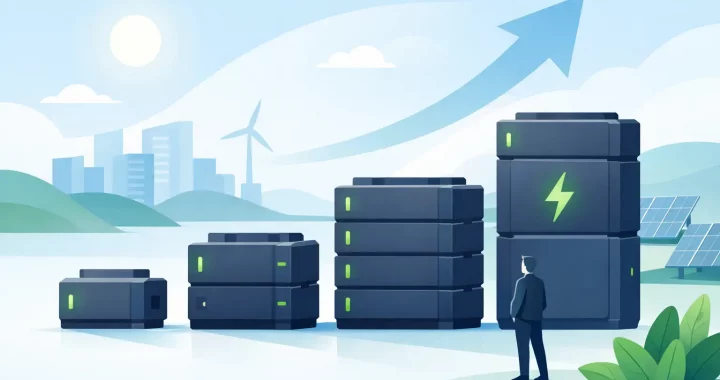
When the power goes out, the first question is rarely how many outlets you have. It is how long your power will last. That is exactly where an expandable battery power station starts to make sense. Instead of buying one fixed-capacity unit and hoping it is enough, you start with a core power station and add battery capacity as your needs grow.

For a lot of households and mobile users, that flexibility matters more than headline specs. A weekend camper may only need enough energy for lights, phones, and a portable fridge. A homeowner preparing for storm outages may want to keep a full-size refrigerator, router, CPAP machine, and a few essentials running for much longer. Those are very different jobs, and an expandable system gives you room to size your backup power around the way you actually live.

What an expandable battery power station really does

At a basic level, an expandable battery power station combines an inverter, battery, charge controller, and output ports in one portable unit. The difference is that it can connect to one or more external expansion batteries to increase total energy storage.

That extra storage does not usually increase the inverter’s output wattage by itself. In plain terms, adding batteries often gives you more runtime, not necessarily more peak power. If your main unit can run a microwave, a refrigerator, or a window AC within its rated output, expansion batteries help it run those loads longer. If the appliance already exceeds the inverter rating, adding extra battery modules will not change that.

This is one of the most common points of confusion for buyers. Capacity and output are connected, but they are not the same thing. Capacity, measured in watt-hours, determines how long you can run devices. Output, measured in watts, determines what you can run at all.

Why expandable capacity matters more than many buyers expect

A fixed battery power station can be a smart choice for light use, but it forces a guess up front. You either buy larger than you need and pay more for unused capacity, or you buy smaller and risk running short during a real outage.

An expandable battery power station gives you a more practical path. You can start with a core unit for immediate needs, then add storage later for storm season, RV travel, jobsite use, or off-grid weekends. That makes it easier to match your budget to your current situation without closing the door on future backup needs.

This matters even more when your power needs are seasonal or unpredictable. Summer outages may mean fans or a small air conditioner. Winter outages may shift the focus to communications, lighting, pellet stoves, or medical devices. Travel setups can change too. A solo camper and a family of four will not use the same amount of power, even in the same RV.

Expandable battery power station vs fixed-capacity models

If your main goal is charging phones, laptops, battery packs, and a few small devices, a fixed-capacity model may be all you need. It is simpler, lighter, and often less expensive.

If you want a system that can move between home backup and mobile use, expansion becomes far more valuable. A base unit can stay portable for lighter tasks, while added battery modules can turn that same platform into a more serious emergency power setup.

The trade-off is that expandable systems can be heavier, more expensive once fully built out, and less convenient to move when all components are connected. For some buyers, that is still the right compromise. For others, especially people who prioritize grab-and-go portability, a single self-contained unit may be a better fit.

How to tell if you need an expandable setup

The answer usually comes down to runtime, not features.

If you only need short bursts of backup power, such as keeping internet service up during a brief outage or charging devices on a road trip, expansion may be unnecessary. But if you are trying to cover overnight outages, support refrigeration, power a CPAP machine through the night, or stretch solar input across several cloudy days, expandable capacity becomes much more useful.

Homeowners often benefit the most because outage duration is hard to predict. The same is true for RV users staying off-grid for multiple days and contractors who need reliable silent power across long work sessions. In those cases, more stored energy gives you breathing room.

The specs that matter before you buy

Battery chemistry should be near the top of your list. Many buyers now prefer LiFePO4 because it offers strong cycle life, thermal stability, and long-term durability. That matters for a system you may use often, store for emergency backup, or count on for years.

Inverter rating is just as important. If you need to run kitchen appliances, power tools, sump pumps, or a portable AC, make sure the continuous wattage and surge capability match the load. Expansion batteries help with endurance, but the inverter is what determines whether the unit can start and run the device.

Charging speed also deserves attention. A large expandable system with slow recharging can leave you waiting too long between uses. Fast AC charging helps during outage prep, and strong solar charging support is valuable for RV travel, off-grid cabins, and extended blackouts.

Then look at the expansion architecture itself. Some platforms only allow one extra battery. Others support multiple modules for major increases in total watt-hours. Make sure the system is designed for the amount of growth you actually want, not just the amount advertised in large print.

Where an expandable battery power station works best

For home backup, the strongest use case is powering essentials without the noise, fumes, and fuel storage issues of a gas generator. You can keep refrigerators cold, communication devices charged, lights on, and critical electronics running in a more controlled and indoor-friendly way, depending on the unit’s operating guidelines.

For RVs and camping, expandability helps balance portability and comfort. You can travel with the main unit and add battery modules when you want longer stays or more appliance use. That is especially useful if you run a 12V fridge, coffee maker, induction cooktop, Starlink setup, or entertainment gear.

For jobsites, quiet power can be a major advantage. Battery systems reduce noise complaints and eliminate fuel handling for many lighter-duty applications. Runtime becomes the key factor, and that is exactly where expansion makes a difference.

For families supporting medical devices, extra capacity provides a margin that fixed systems often cannot. If a CPAP, mobility device, or refrigeration for medication is part of your backup plan, longer runtime is not a luxury. It is part of being prepared.

Common mistakes buyers make

The first mistake is shopping by capacity alone. A giant battery does not help if the inverter cannot run your target appliance.

The second is ignoring recharge strategy. If you buy a large expandable setup, think through how you will recharge it during a prolonged outage. Wall charging is great before a storm, but solar compatibility can be a real advantage when the grid stays down.

The third is assuming expansion is always cheaper later. Sometimes it is. Sometimes bundle pricing makes it smarter to buy the main unit and battery modules together. It depends on the product line, your timeline, and whether you already know your long-term power needs.

Choosing the right size for your situation

The smartest way to size a system is to start with the loads that truly matter. For some homes, that means refrigeration, lights, phones, internet, and medical devices. For others, it may include a microwave, television, fans, or a compact air conditioner.

Then think in hours, not just watts. A refrigerator that cycles on and off over 24 hours creates a very different energy demand than a coffee maker used for ten minutes. The same is true for a laptop versus a space heater. Short, high-watt devices and lower-watt all-day devices affect battery planning in different ways.

This is why expandable platforms appeal to practical buyers. You do not need to guess perfectly on day one. You can start with coverage for the essentials and build toward longer runtime as your budget or backup goals change.

If you are comparing options from brands like Aferiy, Fossibot, and Sorein, pay close attention to how each platform handles battery expansion, inverter size, charging speed, and outlet selection. The best system is not always the biggest one. It is the one that supports the devices you care about, for the amount of time you actually need, with a recharge plan that works in the real world.

For buyers who want dependable backup power without fuel, noise, or constant compromise, an expandable battery system is often the most sensible middle ground. It gives you a way to be ready now without locking yourself into the wrong capacity for later. If you are building a more resilient power setup, that kind of flexibility is worth taking seriously. You can explore current options at Thundervolt Power if you are ready to compare systems built for home backup, travel, and emergency use.

What Size Power Station for Refrigerator?

What Size Power Station for Refrigerator?

If the power goes out at 2 a.m., your refrigerator becomes the appliance you care about fast. Food safety has a short clock, and choosing the wrong backup unit can leave you with a battery that looks good on paper but shuts down the moment the compressor kicks on. That is why the real question is not just what size power station for refrigerator use, but what size will start it reliably and keep it running long enough to matter.

What size power station for refrigerator backup?

For most full-size home refrigerators, a portable power station with at least a 1,000W pure sine wave inverter and roughly 1,000Wh to 2,000Wh of battery capacity is the practical starting point. That covers the two numbers that matter most: the running wattage and the startup surge.

A typical refrigerator may only run at around 100W to 250W once it is operating, but the compressor usually needs a much higher burst of power at startup. In many cases, that surge lands between 600W and 1,200W. Some larger units, older refrigerators, and garage-ready models can spike even higher.

This is where buyers get tripped up. They see a low running watt number and assume a small power station will work. Then the fridge tries to start, the inverter overloads, and the backup fails. If you want dependable performance during an outage, surge handling matters just as much as battery size.

The two numbers you need before you buy

When deciding what size power station for refrigerator support makes sense, start with the inverter rating in watts and the battery capacity in watt-hours.

The inverter rating tells you whether the power station can run the refrigerator at all. It must cover both the fridge’s normal draw and its startup surge. For most households, 1,000W is a safer minimum than 500W, even if the refrigerator’s average consumption seems low.

Battery capacity tells you how long it can keep the refrigerator going. That number is measured in watt-hours, or Wh. The higher the Wh rating, the longer your runtime.

Think of it this way: watts are about capability, while watt-hours are about endurance.

How much power does a refrigerator actually use?

Most modern refrigerators do not run continuously. The compressor cycles on and off throughout the day, which means actual power use is lower than the startup number suggests. A common residential refrigerator might average 1 to 2 kWh per day, though some compact models use less and some larger side-by-side units use more.

That daily number is helpful, but outage planning works better when you think in shorter windows. If your refrigerator averages 60Wh to 100Wh per hour over time, a 1,000Wh power station will not give you a perfect 10 to 16 hours in real-world use. Inverter losses, ambient temperature, door openings, and compressor cycling all affect actual runtime.

A safer expectation is that a 1,000Wh unit may keep an efficient refrigerator powered for several hours, while a 2,000Wh class system can often handle overnight backup or longer, depending on conditions.

A practical sizing rule

If you want a simple buying framework, use this:

Choose a power station with an inverter rated at least 2 to 3 times your refrigerator’s running wattage, and enough battery capacity to match how long you need protection.

For example, if your refrigerator runs at 150W and surges to 900W, a 1,000W inverter is the minimum realistic target. If you want 8 to 12 hours of meaningful backup, 1,500Wh to 2,000Wh is a stronger fit than 500Wh or 700Wh.

That is why many shoppers preparing for storms or grid instability move beyond entry-level units quickly. Small power stations are great for phones, lights, laptops, and routers. Refrigerators usually need a mid-size or high-capacity system.

Small fridge, full-size fridge, or garage freezer

Not every cold-storage appliance needs the same setup.

A mini fridge is the easiest load. Many compact units can run on a smaller power station, sometimes in the 300W to 600W inverter range, with 300Wh to 700Wh of battery capacity depending on how long you need it to last.

A standard kitchen refrigerator is where most buyers should focus on 1,000W+ inverter output and at least 1,000Wh of battery. If reliability is the goal, especially during weather events, 1,500Wh to 2,000Wh gives you more breathing room.

A large refrigerator, upright freezer, or older garage fridge usually deserves even more margin. These appliances often face hotter environments, longer compressor cycles, and stronger startup surges. In that case, a higher-capacity portable power station or an expandable backup system is the better call.

Why pure sine wave matters

For refrigerator backup, pure sine wave output is not optional if you want stable operation. Compressors and motors run better on clean, utility-like power. Modified sine wave systems can create performance problems, noise, overheating, or startup issues.

Most quality lithium power stations built for appliance backup use pure sine wave inverters. That is the standard to look for if your goal is dependable home emergency power rather than basic gadget charging.

Runtime is always conditional

The honest answer to refrigerator runtime is: it depends.

A refrigerator in a cool kitchen with the doors kept shut will use less power than one working hard in a hot garage. A newer Energy Star model will usually stretch battery capacity better than an older unit. If you are also plugging in a router, a few lights, or charging phones from the same power station, runtime drops further.

There is also a big difference between keeping food cold and running the refrigerator with normal family use. During an outage, every door opening forces the appliance to work harder. If your goal is to preserve food as long as possible, keep it closed and let the battery focus on cooling instead of recovery.

When a larger power station is the smarter buy

If your refrigerator is part of an outage plan, not just a convenience item, sizing up usually pays off. A larger unit gives you better surge coverage, longer runtime, and more flexibility to support essentials beyond the fridge.

That may include a freezer, internet equipment, a CPAP machine, phones, fans, or a few lights. Once you start planning for real resilience, not just emergency improvisation, battery expansion and solar recharging become more valuable than shaving a few dollars off the upfront price.

This is where high-capacity lithium systems with LiFePO4 batteries stand out. They are built for longer cycle life, stable performance, and repeat use. For buyers who expect weather outages, RV travel, or backup duty several times a year, that matters.

How to check your refrigerator before you choose

The best way to size correctly is to verify your fridge’s actual demand. Start by checking the appliance label for watts or amps. If it only lists amps, multiply amps by 120V to estimate wattage.

That gives you a useful baseline, but startup surge may still be higher than the label suggests. If you want more confidence, use a plug-in watt meter to measure real consumption during normal operation. For refrigerators with uncertain startup behavior, it is smart to build in extra inverter headroom rather than sizing too tightly.

If your refrigerator is older, larger than average, or paired with an ice maker and extra features, be conservative. Backup power is one of those purchases where a little margin is usually cheaper than a failed outage plan.

A realistic recommendation for most households

For most US homes, the sweet spot is a portable power station with a 1,000W to 2,000W pure sine wave inverter and around 1,000Wh to 2,000Wh of battery capacity. That range gives many standard refrigerators a solid chance of starting cleanly and running through a meaningful outage window.

If you only need short-term backup for a modern efficient fridge, the lower end may work. If you want overnight runtime, room for extra devices, or stronger preparedness for storms, move up in capacity. Expandable systems are especially useful if refrigerator backup is part of a broader emergency setup.

At Thundervolt Power, this is the practical line between a power station that can technically run a refrigerator and one that can support your home when the grid is not stable.

The right size is the one that starts your fridge without hesitation, gives you useful runtime instead of wishful math, and leaves enough margin for the kind of outage you are actually preparing for.