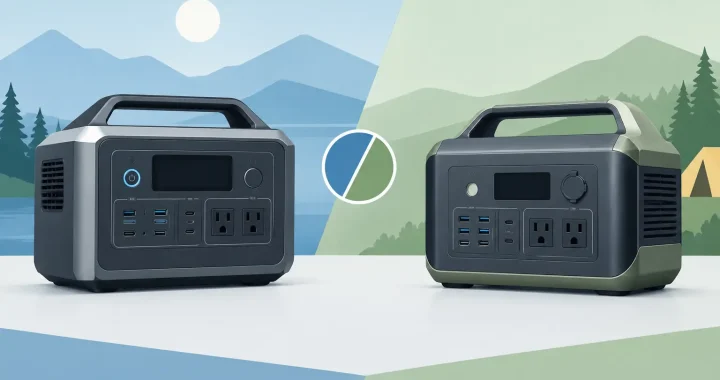
A refrigerator full of food, a CPAP machine, a home office, or an RV air conditioner does not care which logo is on the battery. It needs enough stored energy, enough inverter power, and a realistic way to recharge. That is the practical lens for comparing Aferiy versus Sorein power stations. Both brands offer quiet lithium-based alternatives to gas generators, but the right choice comes down to the specific model and the equipment you need to keep running.
For outage readiness, travel, and off-grid work, do not start with the lowest sale price. Start with the load you need to support, how long you need to support it, and whether the power station can grow with your needs.
Aferiy Versus Sorein Power Stations: What Matters Most
Aferiy and Sorein portable power stations are built for the same broad purpose: delivering dependable AC and DC power without fuel, fumes, or generator noise. Many models use LiFePO4 battery chemistry, which is valued for long cycle life, thermal stability, and practical daily use. Both brands may also offer pure sine wave AC output, fast charging, solar input, and multiple outlet types depending on the model.
That shared feature set means the comparison should not be treated as a simple brand-versus-brand verdict. A larger Sorein unit may be a better fit than a smaller Aferiy unit for a refrigerator and microwave, while a compact Aferiy model could be the smarter choice for weekend camping, remote work, or charging personal electronics. Compare power stations by capacity, continuous output, recharge options, expansion capability, physical size, and support for the devices you actually own.
Specifications, included accessories, warranty terms, and promotional bundles can vary by model. Read the product details for the exact unit rather than assuming every power station in either lineup has the same capabilities.
Battery Capacity Determines Runtime
Capacity is measured in watt-hours, or Wh. It tells you how much energy the station stores. A 1,000Wh unit can theoretically run a 100-watt load for 10 hours, but real-world runtime will be lower when powering AC devices because the inverter uses some energy.
For planning purposes, use this simple estimate: usable battery watt-hours divided by appliance watts equals approximate runtime. A 1,000Wh power station may provide roughly 850Wh of usable AC energy. That could run a 60-watt television for about 14 hours, a 100-watt CPAP without heated humidity for several nights, or a 500-watt appliance for around 1.5 hours. Actual results depend on cycling loads, temperature, and the power station’s own consumption.
When comparing Aferiy and Sorein models, match capacity to the job. A compact station is practical for phones, lights, cameras, laptops, routers, and small fans. Mid-capacity units can support longer work sessions, CPAP use, and limited refrigerator backup. Larger systems are better suited to a home outage plan, RV use, power tools, or appliances with meaningful daily energy demand.
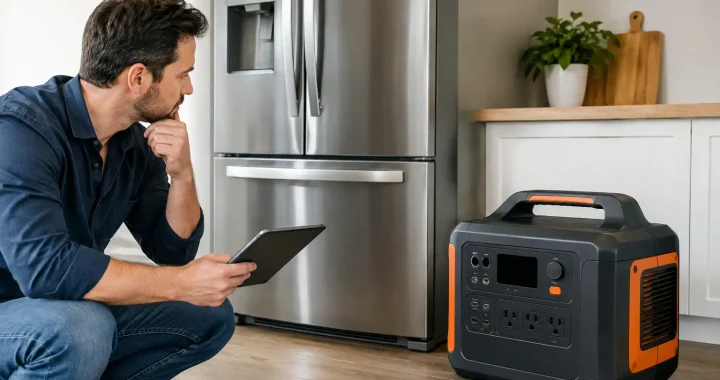
Do not select capacity based only on a device’s running watts. A refrigerator may average modest power over a day but draw a higher surge when its compressor starts. A window air conditioner may have an even greater startup demand and can drain a battery quickly even if the power station handles the initial surge.
Inverter Output Decides What You Can Run
Watt-hours tell you how long a power station can run equipment. Inverter wattage tells you whether it can start and operate that equipment at all. This distinction is where many buyers make an expensive mistake.
Look for the continuous AC output rating first. Add the running watts of devices that may operate at the same time, then leave a margin. Next, check surge capacity for motor-driven equipment such as refrigerators, freezers, pumps, power tools, and air conditioners. A station that is excellent for electronics may not have enough inverter power for a coffee maker, space heater, or circular saw.
Aferiy and Sorein models with pure sine wave inverters are designed to provide cleaner AC power for sensitive electronics. That is useful for laptops, network gear, modern televisions, chargers, and medical devices. Still, users supporting critical medical equipment should confirm the device’s wattage requirements and speak with the equipment provider about backup recommendations. A portable power station is a valuable layer of preparedness, not a replacement for a medically appropriate emergency plan.
Charging Speed Changes How Useful Backup Power Feels
Stored power is most useful when you can restore it quickly. Compare AC wall charging time, solar input limits, vehicle charging capability, and whether the station supports combined charging methods. A fast-charging model can be especially valuable during an outage when utility power returns briefly, or when an RV traveler has limited time at a campground hookup.
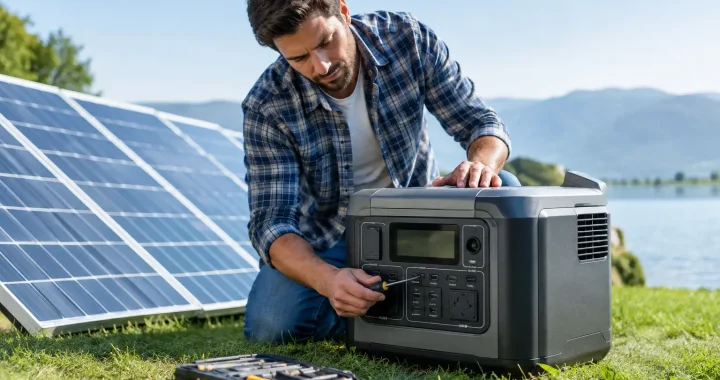
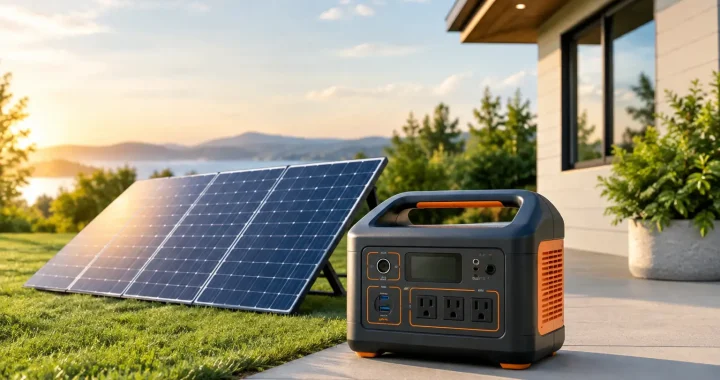
Solar charging gives either brand a major advantage over a fuel-dependent generator. With compatible portable solar panels, you can recharge during daylight and reduce reliance on the grid. The real charging rate will vary with panel wattage, sun angle, cloud cover, cable setup, and the station’s maximum solar input. A large panel array does not force more power into the battery than the station can accept.
For emergency use, consider your daily energy cycle. If your household uses 1,500Wh overnight and the station can only accept 400 watts of solar in ideal conditions, a single small panel may not replenish what you used. Match solar input capability and panel capacity to your expected consumption.
Portability Is More Than Weight
A higher-capacity power station is easier to live with when it has practical handles, a readable display, well-spaced outlets, and a form factor that fits where you will store it. Compare dimensions and weight before buying. A unit that can power more appliances is not automatically better if you cannot safely move it from a closet to the kitchen during an outage.
For camping, tailgating, and mobile work, compact Aferiy or Sorein models may offer the better balance of power and convenience. For home backup, a heavier unit can make sense if it stays near the appliances or circuits it is intended to support. Some users keep a smaller station ready for communications and medical needs while reserving a larger unit for refrigeration and household essentials.
Expansion Can Protect Your Investment
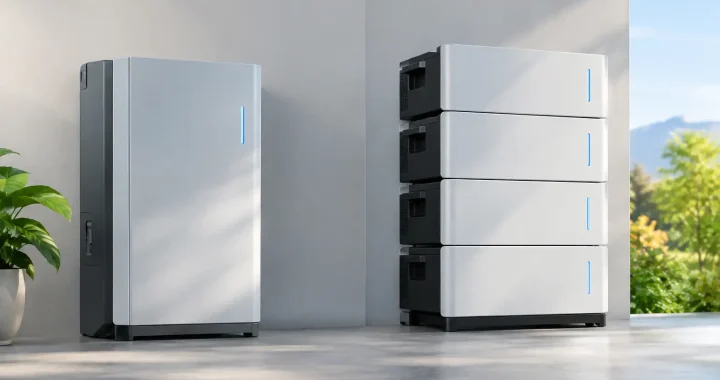
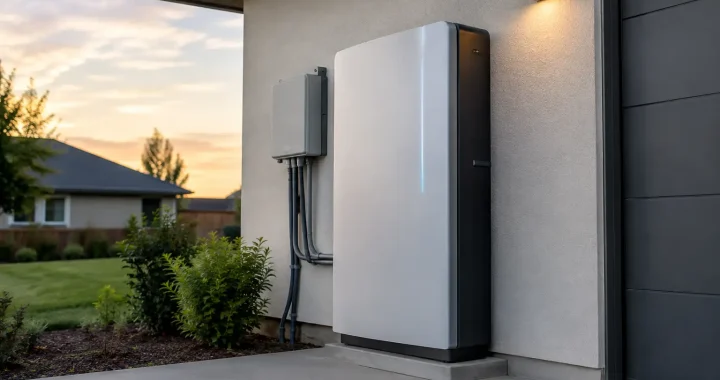
If your power needs may increase, look closely at expansion battery compatibility. An expandable power station lets you add stored energy later rather than replacing the main unit. That can be a practical path for homeowners who begin with essential backup power and later build toward longer refrigerator runtime, RV travel, or more complete outage coverage.
Not every Aferiy or Sorein model supports expansion batteries, and compatible batteries are typically model-specific. Confirm the maximum expandable capacity, required cable or connection method, and whether adding batteries changes charging behavior. Expansion adds runtime, but it does not automatically increase the main unit’s AC inverter output. If you need to run a larger appliance, output wattage still matters.
Which Power Station Fits Your Situation?
For a short outage, the best choice may be a mid-size model with enough inverter output for a refrigerator, router, phones, lights, and a few personal devices. Prioritize sufficient watt-hours and a clear plan for solar or wall recharging. Avoid using battery power for high-draw resistance appliances such as portable heaters unless you have a very large energy reserve.
For RV owners, compare the station’s continuous output with the loads you expect to run away from shore power. A power station can handle many RV essentials, but an air conditioner, electric water heater, induction cooktop, or microwave can change the calculation quickly. A larger unit with higher surge capability and meaningful solar input is usually the more practical choice for extended off-grid stays.
For contractors and mobile professionals, outlet selection and inverter power may take priority over maximum battery capacity. Consider whether you need standard AC outlets, USB-C charging for laptops, 12V power, or enough output for tool chargers and jobsite equipment. A quieter battery system is often useful in locations where gas generator noise is disruptive or prohibited.
For families preparing for storms, think in layers. Keep a compact station for communications, lighting, device charging, and critical small electronics. Use a larger Aferiy or Sorein system for refrigeration, a sump pump only if its startup load is supported, or other household priorities. This approach preserves battery capacity for what matters most.
A Practical Buying Check Before You Choose
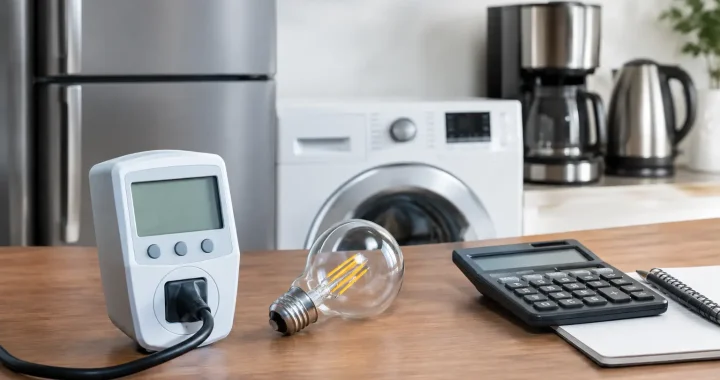
Before selecting between models, write down the equipment you intend to power and check four numbers: the device’s running watts, startup watts if applicable, hours of use, and daily energy demand. Then compare those needs against the power station’s usable capacity, AC output, surge rating, recharge speed, and expansion options.
Thundervolt Power customers often get the best results by sizing for a real use case rather than an idealized one. A power station should give you stable power when conditions are not stable, not leave you rationing battery life because the system was undersized.
Choose the unit that supports your most important loads with room to spare, can be recharged on a schedule that works for you, and is practical enough to deploy when the lights go out. Preparedness works best when the equipment is ready before the forecast turns serious.