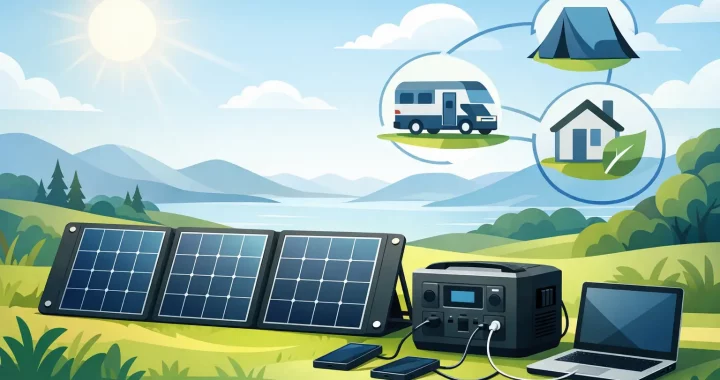
Expandable Battery Backup Comparison Guide

Expandable Battery Backup Comparison Guide

A backup system that looks big on paper can still fall short the first night the grid goes down. The gap usually shows up in runtime. That is why an expandable battery backup comparison matters more than a simple side-by-side look at watt-hours or inverter size. If you want power that can grow with your needs, expansion design is what decides whether a system feels prepared or underbuilt.

For most buyers, the question is not just how much power you need today. It is how much flexibility you need six months from now. A homeowner may start with enough capacity for phones, lights, and a router, then realize they also want to cover a refrigerator during storm season. An RV owner may begin with weekend trips and later add a 12V fridge, coffee maker, or portable AC. Expansion gives you room to scale, but not all systems scale the same way.

How to approach an expandable battery backup comparison

The biggest mistake is comparing only the base unit. A power station with a strong inverter and fast recharge can look like the better deal until you add extra batteries and see the limits. Some systems allow one add-on battery. Others support multiple expansion packs and much higher total storage. Some keep full output when expanded. Others increase runtime but do not change practical appliance support.

That distinction matters. If your main concern is keeping essentials running longer, added battery capacity may be all you need. If you are trying to support heavier loads such as microwaves, jobsite tools, or a window AC, inverter output and surge handling matter just as much as total battery size. More stored energy does not automatically mean more usable power at one time.

A smart comparison starts with your actual loads. Think in two categories: what must stay on, and what would be nice to keep running. For a home outage, the must-have list often includes phones, lights, internet gear, a CPAP, and refrigeration. For mobile use, it may be a cooler, fan, laptops, and cooking devices. Once you know those priorities, you can judge whether expansion is solving a runtime problem, an output problem, or both.

Capacity is only the start

Battery capacity, measured in watt-hours, tells you how much energy the system stores. It does not tell you how efficiently that energy can be delivered, how quickly it recharges, or whether expansion is simple enough to use when conditions are stressful. In an outage, convenience becomes a performance feature.

If two systems both offer expansion, look at the starting point and the ceiling. A smaller base unit with a lower entry cost can make sense if your needs are modest right now and growth is likely later. A larger base system can be the better value if you already know you need serious runtime. The right choice depends on whether you are buying for occasional short outages, daily off-grid use, or a mix of both.

There is also a practical issue many shoppers miss: depth of use. A family using backup power for a few storms each year can tolerate a different setup than someone cycling it regularly for RV travel, mobile work, or solar storage. In that case, long-life battery chemistry matters. LiFePO4 has become the preferred option for many buyers because it offers a strong balance of safety, cycle life, and stability.

Why output still decides what you can run

When people hear expandable, they often assume the system becomes more powerful in every way. Usually, expansion adds endurance, not output. If the inverter is rated for 2000W, adding extra batteries does not usually turn it into a 3000W system. It still powers the same kinds of appliances, just for longer.

That is good news if your goal is overnight runtime for a fridge or extended use of lights and communications gear. It is less helpful if you need to start motor-driven appliances with higher surge demands. In an expandable battery backup comparison, always separate runtime from load capability. A system that can run a refrigerator for 20 hours may still struggle with a space heater or larger air conditioner.

Charging speed changes real-world value

Fast charging is not a luxury feature. It changes how useful a backup system is before, during, and after an outage. If severe weather is on the way, the ability to recharge quickly from the wall can be the difference between full readiness and a partially charged compromise. The same applies to travelers stopping briefly between destinations.

Compare AC recharge times for the base unit and ask whether those times change when expansion batteries are connected. Some systems remain reasonably quick. Others become much slower once total capacity grows. Solar charging matters too, especially for off-grid use or multi-day outages. A system that accepts higher solar input can recover faster during limited daylight, which makes the expanded capacity more practical.

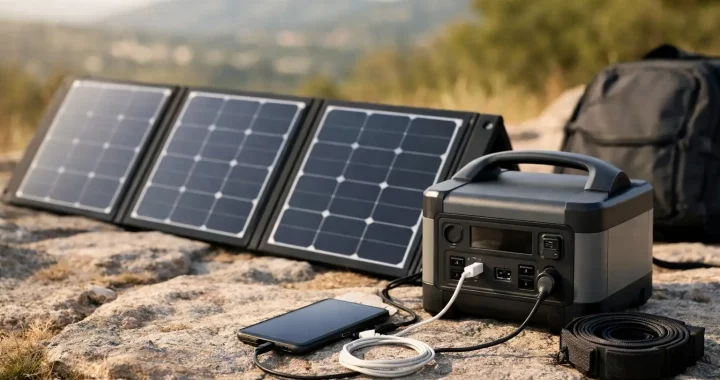
For buyers planning to pair storage with portable solar panels, input limits deserve close attention. Large battery banks are useful, but if solar input is modest, recovery may take longer than expected. That does not make the system bad. It just means the setup is better suited to reserve backup than daily solar-dependent use.

Expansion design matters more than specs suggest

Not every expandable system is equally easy to live with. Cable layout, pairing process, stackability, and app or screen clarity all affect ownership. During a power outage, nobody wants to troubleshoot confusing connection steps or wonder whether an add-on battery is actually recognized by the main unit.

This is where practical design earns its value. A clean, stable connection system and clear battery status reporting help reduce mistakes. So does straightforward output management. If you are buying for family readiness, simplicity matters even more because the person using it in an emergency may not be the person who originally set it up.

Physical size also deserves honest consideration. Expansion sounds efficient, but multiple batteries increase weight and storage footprint. A modular setup can be easier to move one piece at a time, which helps for RVs, garages, and job sites. On the other hand, a higher-capacity all-in-one unit may feel cleaner if you mostly plan to keep it in one place. There is no universal winner here. It depends on whether portability or maximum reserve power is your higher priority.

Matching the system to the job

For home backup, expansion is most valuable when you need longer runtimes on essential circuits and appliances without stepping into a permanently installed system. If your priority is outage resilience, look for enough inverter power to handle your core loads, then choose expansion based on how many hours of support you want.

For RV and camping use, the balance often shifts. You may care more about recharge speed, portability, and quiet overnight power than about maximum capacity. Expansion can still be useful, especially for longer trips, but oversized systems can become harder to move and store. In that setting, practical transport matters almost as much as electrical performance.

For contractors and mobile work crews, uptime and output usually matter first. Expansion is helpful if the jobsite lacks reliable charging opportunities, but the system still has to support the tools or electronics in use. Here, a strong inverter and fast recharge may justify more than the biggest battery number.

For families supporting critical devices, reliability and clarity should lead the comparison. You want known runtimes, stable power delivery, and a setup that is easy to operate under stress. Marketing language is less useful than a clear understanding of your wattage needs and how long the system can maintain them.

What usually separates a better buy from a bigger one

A bigger spec sheet is not always the better purchase. The better buy is the unit that fits your load profile, recharges fast enough for your routine, and expands without adding complexity you do not want. That is especially true in a market full of options that look similar at first glance.

When comparing brands and models, pay attention to the full package: battery chemistry, inverter rating, surge support, expansion ceiling, wall charging speed, solar input, and physical design. If one model offers less peak capacity but better recharge and easier modular use, it may deliver more real value. Thundervolt Power focuses on systems like these because dependable backup is not about one standout number. It is about how the system performs when the power is not stable and time matters.

The best expandable setup is the one you will actually trust when weather turns, plans change, or the lights go out. Buy for the next real problem you expect to face, not the biggest promise on the box.

Best Portable Power Stations for Contractors

Best Portable Power Stations for Contractors

A dead outlet can stall a crew faster than bad weather. When you are running tools, charging batteries, and keeping a job moving, the best portable power stations for contractors are the ones that deliver stable output, recharge fast, and hold up to real jobsite use without the noise and fuel issues of a gas generator.

For many contractors, the appeal is straightforward. A portable power station gives you quiet, instant power where grid access is limited, temporary service is not ready, or indoor work rules out combustion equipment. It is not a perfect replacement for every generator on every site, but it can be the right solution for punch lists, finish work, service calls, remodeling, mobile trades, and backup power when the schedule cannot wait.

What makes the best portable power stations for contractors

Contractors do not shop for portable power the same way campers do. The first question is not whether the unit can charge a phone. It is whether it can support the actual tools and equipment that keep the workday on track.

Start with inverter output. Running watts tell you what the power station can handle continuously. Surge capacity matters too, especially for tools or equipment with a startup spike. A unit that looks strong on battery capacity but falls short on output may run lights and chargers just fine, yet shut down under a miter saw or shop vac.

Battery capacity matters differently depending on the trade. If you are mostly charging cordless tool batteries, tablets, inspection equipment, and laser levels, watt-hours can stretch surprisingly far. If you need to run a saw, fan, dust extractor, or compressor for long periods, capacity drains much faster. That is where larger battery banks or expandable systems start to make sense.

Battery chemistry is another practical issue. LiFePO4 has become the preferred choice for many serious users because it offers better cycle life, thermal stability, and long-term value than older lithium chemistries. For contractors who expect frequent use rather than occasional emergency backup, that durability matters.

Port selection is easy to overlook until the site gets busy. AC outlets are obvious, but a good jobsite setup may also need USB-C for tablets and phones, 12V outputs for specialty equipment, and enough spacing between outlets to handle bulky charger bricks. The best units reduce clutter instead of creating it.

Portable power station vs gas generator on a jobsite

There is a reason gas generators still show up on demanding jobs. They can support heavy loads for long periods if fuel is available, and for large power-hungry equipment they may still be the better fit. But that does not automatically make them the best option.

Portable power stations are quieter, easier to use, and better suited for indoor work, occupied spaces, and jobs where noise control matters. They start with the push of a button. There is no fuel storage, no exhaust, and less maintenance. For contractors working in finished homes, commercial interiors, service vans, basements, or tight urban lots, those advantages are hard to ignore.

The trade-off is runtime under heavier loads. If you are trying to run multiple high-draw corded tools all day, a battery system can deplete quickly unless you size up significantly. For intermittent loads, battery charging, diagnostics, lighting, and mobile office power, portable stations often fit the work better.

How to choose the right size for contractor use

If you want the best portable power stations for contractors, matching the unit to the workload is more important than chasing the biggest model on the page.

For light-duty contractor use, think service techs, inspectors, finish carpenters, and punch-out crews. A smaller to mid-size power station can handle battery chargers, laptops, routers, lights, and occasional small tool use. These setups are easier to move, easier to store in a van, and often enough for short work windows.

For mid-demand applications, remodelers and trade crews often need more headroom. This is where higher inverter output and more battery capacity pay off. You may be supporting a miter saw for cuts, charging multiple battery packs, running fans, and keeping phones and tablets powered through the day. A mid-to-large station offers more flexibility without becoming too cumbersome.

For heavier demand, larger units with expansion battery support are the more realistic choice. If the job requires longer runtime, repeated use of higher-wattage tools, or backup support for temporary site equipment, expansion can be the difference between getting through the day and stopping to recharge too early.

Features that matter more than the marketing

Fast recharging is one of the most valuable features for contractors. A unit that can recover quickly from AC wall charging or solar input gives you more scheduling flexibility. If the station can recharge overnight, during lunch, or while moving between jobs, it becomes much easier to rely on daily.

Pass-through charging can also help in some setups, especially when the station is supporting light loads while recharging. Not every contractor needs this, but for mobile workstations and ongoing battery charging, it can be useful.

Display quality matters more than it sounds. A clear screen that shows input, output, battery percentage, and estimated runtime lets you make better decisions on the fly. On a busy site, guessing is inefficient.

Weight and portability are another real-world factor. Bigger capacity usually means more weight. That sounds obvious, but it changes how often the unit actually gets used. A powerful station that takes two people to move may be fine in a trailer or for planned backup. A lighter model with less capacity may see more everyday use because it is easy to carry into a house, up stairs, or across a site.

Durability should be viewed realistically. Most portable power stations are not built like demolition equipment. They need sensible handling, dry placement, and protection from impact and dust. Contractors should look for sturdy housing, strong handles, and stable footing, but also understand that a portable battery system is an electrical asset, not something to throw in the bed of a truck without protection.

Best use cases for contractor power stations

Portable power stations work especially well when the work is mobile, intermittent, or happening where clean and quiet power is a requirement.

Electrical and low-voltage contractors often use them to keep diagnostic tools, laptops, battery chargers, and networking gear ready in buildings where service is not active yet. Finish carpenters and installers can use them for trim work, small saws, lights, and charging without dragging extension cords through a client’s home. HVAC, plumbing, and service professionals can use them to support tools and communications on calls where fast setup matters.

They also make sense as backup power for the crew itself. Charging phones, tablets, and inspection equipment may not sound like the main event, but losing access to communication and documentation can slow a project fast. A dependable power station helps keep the whole workflow moving.

When a contractor should go bigger

If your crew regularly runs high-draw tools, charges multiple battery platforms, or needs dependable backup for long shifts, going bigger usually saves frustration. Buying too small often leads to the same outcome – the station works, but only for part of the workday or only for limited tasks.

This is where established portable power brands with higher-capacity lithium systems, pure sine wave inverters, and expansion options stand out. A curated product lineup like the one at Thundervolt Power is built around that practical middle ground: enough performance for serious users, without pushing people toward overcomplicated setups they do not need.

That said, bigger is not always better. If the power station is mainly living in a van for service calls and light support tasks, a more compact model may be the smarter buy. The right answer depends on the load profile, runtime expectation, and how often the unit needs to be moved.

A contractor buying checklist that keeps things simple

Before you buy, add up the wattage of the devices you plan to run at the same time, then allow room for startup surges and a little growth. Think honestly about runtime, not just whether the station can start the tool. Check the recharge speed, outlet mix, battery chemistry, and total weight. If your workload is likely to increase, consider whether expansion batteries are available.

Also think about where the unit will live. In a trailer, a larger system can work well. In a service van or for stair-heavy residential work, portability may matter just as much as output. The best portable power stations for contractors are not the ones with the biggest numbers. They are the ones that fit the way the job actually gets done.

Power problems on a jobsite rarely happen at a convenient time. Choosing a station that is sized for real work, built for repeat use, and easy to deploy gives you one less thing to worry about when the schedule is already tight.

Is LiFePO4 Better for Backup Power?

Is LiFePO4 Better for Backup Power?

When the lights go out, battery chemistry stops being a spec sheet detail and starts affecting what you can actually keep running. If you’re asking is LiFePO4 better for backup, the short answer is yes for most home, portable, and emergency backup needs – but not in every case, and not for every budget.

For backup power, what matters most is dependable runtime, long service life, safe operation indoors, and the ability to recharge and use the system again without babying it. That is where LiFePO4, short for lithium iron phosphate, has earned its place. It is now the standard chemistry behind many modern portable power stations and solar generators built for outage readiness, RV use, and off-grid support.

Is LiFePO4 better for backup than other battery types?

In many real-world situations, yes. LiFePO4 is often a better backup choice than traditional lead-acid batteries and, in many cases, a better long-term fit than other lithium chemistries like NMC when safety, lifespan, and daily reliability matter most.

The reason is simple. Backup power is not just about storing energy. It is about being ready when weather turns, the grid drops, or critical devices need steady power now. LiFePO4 performs well in that role because it combines stability, deep cycling capability, and a long usable life. For homeowners, RV travelers, and families building a practical emergency setup, those advantages usually matter more than shaving a little weight or upfront cost.

That said, better depends on what kind of backup you mean. A battery for a sump pump during storms has different demands than a battery for occasional camping. A whole-home setup has different priorities than a portable unit for phones, routers, lights, and a CPAP. LiFePO4 is strong across most of these uses, but the details still matter.

Why LiFePO4 works so well for backup power

Longer cycle life means better long-term value

One of the biggest reasons people choose LiFePO4 is lifespan. Compared with lead-acid batteries, LiFePO4 can handle far more charge and discharge cycles before capacity drops to a point that affects useful performance.

That matters for backup because many people do not just store their power station in a closet. They use it for storm prep, weekend trips, outdoor work, and solar charging between outages. A battery that can be used often without wearing out quickly gives you more flexibility and better value over time.

Lead-acid batteries tend to degrade faster, especially if they are deeply discharged or left partially charged. LiFePO4 is far more forgiving in normal use. If you want a system that can serve as emergency backup and everyday portable power, LiFePO4 is usually the smarter chemistry.

Better safety for indoor and portable use

Backup power often lives inside your house, garage, RV, or enclosed workspace. That changes the conversation. Safety is not optional.

LiFePO4 is known for strong thermal and chemical stability compared with some other lithium-ion chemistries. In plain terms, it is less prone to overheating and generally better suited for enclosed, consumer-facing backup products when paired with a quality battery management system.

This is one reason LiFePO4 has become so common in portable power stations. People want clean, quiet power they can use indoors without fuel fumes, loud engine noise, or the maintenance routine that comes with gas generators. For family preparedness, that is a major advantage.

More usable capacity in real use

With backup batteries, rated capacity is only part of the story. The real question is how much of that energy you can use without damaging the battery or dramatically shortening its life.

LiFePO4 can typically be discharged more deeply than lead-acid while still maintaining healthy performance over time. That means more of the stored energy is actually available when you need it. For outage planning, that can make a smaller, smarter system more practical than buyers expect.

If your goal is to keep a refrigerator cycling, charge phones, run internet equipment, power lights, or support medical devices, usable capacity matters more than brochure numbers. LiFePO4 tends to deliver more practical energy from the same class of system.

Low maintenance and fast readiness

Backup power should not become another chore. LiFePO4 batteries generally require far less maintenance than flooded lead-acid options. There is no watering, less concern about venting, and fewer headaches around storage and routine upkeep.

Many LiFePO4-based power stations also support fast AC recharging, solar charging, or expansion battery options. That gives you a system that can recover quickly between outages and adapt as your power needs grow. For people who want readiness without complexity, this is a meaningful advantage.

Where LiFePO4 is better than lead-acid

This is the comparison that matters most for many buyers. Lead-acid batteries still show up in backup applications because the upfront price can be lower. But lower purchase cost does not always mean lower ownership cost.

LiFePO4 is usually lighter for the same usable energy, lasts longer, charges faster, and gives you deeper discharge capability. It also avoids many of the maintenance issues tied to older battery designs. If you need a system you can move, store indoors, or use regularly, those benefits add up quickly.

Lead-acid still has a place in some fixed, low-cost setups where weight is not an issue and cycling is limited. But for modern backup power – especially portable backup, solar generators, RV systems, and home emergency use – LiFePO4 is typically the better fit.

Is LiFePO4 better for backup than NMC?

This comparison is more nuanced. NMC, a common lithium-ion chemistry, can offer high energy density. That can make systems smaller and lighter for a given capacity. In some compact electronics and mobility applications, that is a real advantage.

For backup power, though, LiFePO4 often wins because it prioritizes cycle life and stability over maximum energy density. If your battery sits ready for outages, gets used for weekend power, and may be charged and discharged hundreds or thousands of times over its life, LiFePO4 usually makes more sense.

The trade-off is size and weight. An NMC battery can sometimes package more energy into a smaller form factor. If absolute portability is your top priority and the unit is only used occasionally, that could matter. But for preparedness-minded buyers who want a dependable system for years of repeat use, LiFePO4 is often the better backup chemistry.

The trade-offs buyers should know

LiFePO4 is not perfect, and a good buying decision includes the drawbacks.

The first is upfront cost. A LiFePO4 system can cost more than a comparable lead-acid setup at the time of purchase. For some shoppers, that is the biggest hurdle. But if you plan to use the system more than rarely, the longer lifespan often offsets that difference.

The second is cold-weather performance. LiFePO4 batteries can be sensitive to charging in freezing conditions unless the system includes low-temperature protection or internal heating. If you store backup gear in an unheated shed, truck bed, or cold RV compartment, you need to pay attention to operating specs.

The third is that not all LiFePO4 products are equal. Battery chemistry is only part of the system. Inverter quality, surge capacity, battery management, port selection, recharge speed, and expansion support all affect how useful the product will be during an outage.

When LiFePO4 is the right backup choice

LiFePO4 makes the most sense when you want reliable indoor-safe backup for recurring outages, portable home power, RV travel, off-grid support, or solar-ready emergency preparedness. It is especially strong for people who value quiet operation, easy storage, and the ability to use the system regularly without wearing it out quickly.

It is also a strong fit if you want one system to cover multiple roles. Many buyers are not looking for a battery that does only one job. They want backup at home, power on the road, and a clean alternative to gas for outdoor or mobile use. That is exactly where LiFePO4-based portable power stations stand out.

For buyers comparing systems, it helps to think beyond battery chemistry alone. Match the battery to the loads you actually need to support. Look at wattage for running appliances, watt-hours for runtime, surge output for startup loads, and recharge options for recovery during longer outages. A quality LiFePO4 setup from a trusted retailer like Thundervolt Power is most effective when the full system is sized around real use, not guesswork.

So, is LiFePO4 better for backup?

For most people, yes. If your priorities are safety, long service life, low maintenance, strong usable capacity, and practical everyday readiness, LiFePO4 is one of the best battery choices available for backup power.

It may not be the cheapest option on day one, and it is not immune to cold-weather limitations, but for dependable backup in homes, RVs, travel setups, and emergency kits, it checks the boxes that matter most. When power is unstable, a battery that is built to last and ready to work quietly indoors is not a luxury. It is peace of mind you can actually use.

If you are building a backup plan now, choose the battery chemistry that supports how you live, what you need to power, and how often you expect to rely on it. The best backup system is the one that is ready before the next outage, not after it.

Fossibot Solar Generator Review: Worth It?

Fossibot Solar Generator Review: Worth It?

When the grid drops in the middle of a storm, specs stop being abstract. What matters is whether a power station can keep the fridge cold, the router on, the phone charged, and a few lights running without drama. That is the real test behind any Fossibot solar generator review, and it is where this brand gets interesting.

Fossibot has built a reputation around high-capacity portable power with practical features that matter in outages, RV setups, and off-grid use. These units are not trying to be novelty camping gadgets. They are aimed at buyers who need serious battery capacity, high inverter output, and recharging options that fit real life, including AC wall charging, car charging, and solar input.

Fossibot solar generator review: what stands out

The first thing most buyers notice is value for output. Fossibot models often pair large LiFePO4 battery packs with inverters strong enough to run demanding appliances. That matters if your goal is more than charging phones and laptops. For many households, the appeal is simple – a unit that can support a refrigerator, CPAP, microwave, power tools, or even a small window AC in the right conditions.

LiFePO4 battery chemistry is a major plus. Compared with older lithium-ion designs, LiFePO4 generally offers longer cycle life, better thermal stability, and a stronger fit for frequent use or emergency readiness. If you are buying backup power to sit ready for storm season and then work hard when needed, battery chemistry is not a side detail. It affects long-term value.

Fossibot units also tend to offer a wide mix of outputs. That usually includes AC outlets, USB-A, USB-C, 12V car ports, and DC options. For mixed-use households and travelers, that flexibility removes a lot of hassle. You can power a cooler, recharge drones, run a laptop, and keep medical or communications gear online from the same system.

Where Fossibot performs well in real use

For home backup, Fossibot is strongest as a short-duration resilience tool rather than a whole-home replacement. That distinction matters. If the power goes out for a few hours or overnight, a properly sized unit can carry essential loads very well. If you expect to run central air, electric water heating, and every major appliance for days, you need a much larger backup strategy.

In practical outage use, a high-capacity Fossibot unit can cover the essentials that make a home livable. Refrigeration, device charging, internet equipment, fans, lights, and some medical equipment are realistic use cases. You may also be able to run a microwave or coffee maker in short bursts, assuming the inverter rating and surge capacity support it.

For RV and travel use, Fossibot makes even more sense. Quiet operation is a real advantage when compared with gas generators, especially in campgrounds, overnight stops, and family travel. There is no fuel storage, no pull-start frustration, and no engine noise. If your priorities are convenience and clean indoor-safe operation, battery power has a clear edge.

Jobsite and mobile work users can also get solid value here, especially if they need portable AC power without gas fumes or noise restrictions. The trade-off is runtime. A battery station can handle tools and charging gear, but high-draw equipment will drain capacity fast. That does not make it a bad fit. It just means matching the power station to the actual work cycle matters.

Charging speed and solar performance

Charging speed is one of the more important parts of any buying decision, and it is an area where Fossibot can be competitive. Fast AC charging reduces downtime and makes the unit more practical for repeated use. If a power station takes all day to recharge, it becomes harder to depend on during back-to-back outages or continuous travel.

Solar charging is where expectations need to stay realistic. A solar generator is only as effective as the panel array, the weather, and the available sunlight. The phrase sounds self-sufficient, but solar input is variable by nature. Under strong sun with enough panel wattage, Fossibot systems can be a useful renewable charging solution. Under clouds, shade, winter conditions, or poor panel placement, recharge times stretch quickly.

That does not make solar a weak feature. It means solar works best when the setup is sized correctly. For emergency preparedness, solar adds endurance. For off-grid living or long RV stays, it reduces dependence on shore power. For buyers who expect one small panel to fully recharge a large battery every day, disappointment is likely.

How much can a Fossibot unit actually run?

This depends on two numbers: inverter output and battery capacity. Inverter output tells you what the unit can run at one time. Battery capacity tells you how long it can run it. Buyers often focus too much on wattage and not enough on watt-hours.

A larger Fossibot model may be able to start and run kitchen appliances, portable heaters, sump pumps, or air conditioners that smaller stations cannot touch. But runtime is still governed by load. A fridge may run for many hours because it cycles on and off. A space heater pulling constant high wattage can drain even a large battery much faster than expected.

For that reason, the best Fossibot buyers are usually the ones who define priorities early. If your goal is emergency essentials, you can stretch battery life effectively. If your goal is maximum comfort with heavy electric heating or cooling, you will need either a larger system, more solar input, or lower expectations on runtime.

The trade-offs to keep in mind

A balanced Fossibot solar generator review has to mention the downsides. Large-capacity power stations are heavy. That is true across the category, and Fossibot is no exception. More battery means more capability, but it also means less grab-and-go portability. Some units are portable in the technical sense, yet still better moved with handles, wheels, or a planned setup.

Price is another factor. While Fossibot can offer strong value against similarly sized competitors, high-capacity battery systems are still a meaningful investment. For occasional phone charging on weekend trips, they may be overkill. For outage protection, RV independence, or frequent mobile work, the cost starts to make more sense because the system is solving a bigger problem.

Display quality, app control, and interface design can also influence the experience. Some buyers care most about clean readouts, intuitive controls, and easy monitoring. Others care only that the unit delivers power when needed. Fossibot tends to appeal more to the second group – practical users who want strong core performance first.

Noise is usually low, but not always silent. Battery stations are much quieter than gas generators, yet cooling fans can become noticeable under heavy charging or high output. For most buyers, this is minor. Still, if you are using the unit in a bedroom, van, or small enclosed area, fan behavior may matter more than expected.

Who should buy Fossibot and who should not

Fossibot is a strong fit for homeowners preparing for outages, RV users who want meaningful battery capacity, off-grid travelers, and families who need dependable backup for critical devices. It also fits buyers who want LiFePO4 chemistry, solid inverter output, and multiple recharge paths without stepping into overly complicated systems.

It is less ideal for shoppers who want ultra-light portability, very low entry pricing, or whole-home backup from a single box. If your needs are modest, a smaller class of power station may be more practical. If your needs are much larger, you may need an expandable or professionally integrated backup setup instead.

Is Fossibot better than a gas generator?

That depends on the job. For indoor-safe use, low noise, no fuel handling, and easy everyday convenience, Fossibot has clear advantages. For very long runtimes at high continuous loads, gas still has range advantages as long as fuel is available. Many prepared households now look at this less as an either-or choice and more as a use-case decision.

Battery systems are often the better answer for overnight use, apartment living, RV travel, and running electronics or essential appliances quietly. Gas generators still make sense for extended outages with large loads, especially when refueling is easy. The best choice depends on what you need to power, for how long, and under what conditions.

Final take on Fossibot

Fossibot gets the fundamentals right where they count: battery chemistry, usable output, practical charging options, and real backup potential beyond small-device charging. It is not the lightest option, and it is not magic – heavy loads still require careful planning. But for buyers who want quiet, dependable power for outages, travel, or off-grid use, it is a serious option worth considering.

If you are comparing models, focus less on marketing language and more on your real must-run devices, your target runtime, and how you plan to recharge. That is the fastest way to tell whether a Fossibot unit will feel oversized, undersized, or exactly right when the power is not there and you need it to be.

How Long Do Lithium Power Stations Last?

How Long Do Lithium Power Stations Last?

When you are buying backup power, the question is not just how much capacity you get on day one. It is how long do lithium power stations last when they are used for outages, road trips, jobsites, and everyday charging over the next several years. That answer depends on battery chemistry, cycle life, heat, charging habits, and how hard the unit is pushed.

For most buyers, a quality lithium power station should last years, not months. But “years” can mean very different things depending on whether you use it twice a year for storm prep or every day in an RV, van, workshop, or off-grid setup. If you want dependable power when the grid is down, it helps to know what lifespan claims actually mean in real use.

How long do lithium power stations last in real use?

Most lithium power stations last somewhere between 5 and 15 years, depending on the battery type and usage pattern. That is the practical answer most people need. The more precise answer starts with cycle life.

Battery manufacturers usually rate lifespan in charge cycles. One cycle means using and recharging the equivalent of 100% of the battery’s capacity. If you drain a unit from 100% to 50% one day, then from 100% to 50% again the next day, that adds up to one full cycle.

Many older or lower-cost portable power stations use standard lithium-ion chemistry, often rated around 500 to 1,000 cycles before the battery drops to about 80% of its original capacity. Many newer premium units use LiFePO4 batteries, which are commonly rated for 2,000 to 3,500 cycles, and sometimes more, to that same 80% benchmark.

That 80% figure matters. It does not mean the power station stops working. It means the battery has aged enough that a 1,000Wh unit may now perform more like an 800Wh unit. For backup use, that can still be very useful. For demanding off-grid use, it may be a sign that capacity is no longer meeting your needs.

Battery chemistry makes the biggest difference

If you are comparing models, battery chemistry is usually the clearest predictor of long-term value. Standard lithium-ion batteries are lighter and can still be a good fit for occasional use, especially if portability matters most. But LiFePO4 has become the preferred choice for many backup and mobile power applications because it typically delivers longer cycle life, better thermal stability, and more predictable long-term performance.

For a homeowner storing a unit for outages, either chemistry may last a long time because usage is limited. For an RV traveler, contractor, or off-grid user charging and discharging constantly, LiFePO4 usually makes more sense. The upfront cost can be higher, but the longer service life often offsets that over time.

This is one reason many shoppers now prioritize LiFePO4 in higher-capacity stations. It aligns better with the way people actually use portable power today – not just as emergency backup, but as a regular part of travel, work, and home resilience.

What shortens the life of a lithium power station?

The battery does not age from charging alone. It ages from stress. The biggest sources of stress are heat, repeated deep discharges, high power demand, and poor storage conditions.

Heat is one of the fastest ways to reduce battery life. A power station stored in a hot garage all summer or left in direct sun at a campsite will generally age faster than one kept in a climate-controlled space. Even if the electronics protect the battery from immediate damage, long periods of high temperature still wear it down.

Deep discharges also add strain. Running a battery to 0% over and over is harder on it than using the middle portion of its capacity. Many modern stations include battery management systems designed to reduce this kind of wear, but user habits still matter.

Heavy loads can play a role too. If you regularly run the unit near its inverter limit, especially with heat buildup, that can create more stress than lighter, intermittent use. That does not mean you should avoid using the power station for serious jobs. It means consistent high-demand use should be matched to a unit built for that workload.

Storage matters more than many people realize. Leaving a battery fully drained for long periods can cause problems. Leaving it at 100% for months in a hot environment is not ideal either. Most manufacturers recommend storing the unit with a partial charge and checking it periodically.

How long do lithium power stations last for different users?

The same power station can feel nearly permanent for one household and heavily used for another. A storm-prep buyer who charges it every few months, tests it occasionally, and uses it during a few outages per year may get many years of dependable service. In that case, calendar life matters more than cycle count.

An RV owner who cycles the battery several times a week will reach the cycle rating much faster. A unit rated for 3,000 cycles can still be an excellent long-term investment, but it will not age the same way as one used only for emergencies.

For jobsite use, the answer depends on daily load and charging routine. Running lights, chargers, and small tools is one thing. Constantly pushing heavier appliances or using the station as a daily core power source is another. Commercial or high-frequency use puts more emphasis on inverter quality, thermal control, and battery cycle rating.

For families using backup power for CPAP machines, refrigerators, phones, routers, or medical devices during outages, longevity is tied as much to maintenance as to chemistry. A well-kept unit with moderate usage can stay ready for years.

Signs your power station is aging

Battery aging is usually gradual. You may notice shorter runtimes first. A device that once powered your refrigerator overnight may now fall short before morning. Recharge times may also change, though that can depend on temperature and charger input.

Another sign is unexpected shutdown under load. If the battery has lost capacity or has trouble sustaining voltage under demand, the unit may cut off sooner than expected. In some cases, this points to battery wear. In others, it may be a protection setting, temperature issue, or load spike.

Physical warning signs matter too. If the unit becomes unusually hot, shows battery errors, will not hold a charge, or has visible swelling or damage, stop using it and follow manufacturer guidance. Electronics and battery packs should not be ignored when they show clear signs of failure.

How to make a lithium power station last longer

Good charging and storage habits can meaningfully extend useful life. Keep the station in a dry place, avoid extreme heat, and recharge it before it sits empty for long periods. If you are storing it for emergency use, check the charge level every few months and top it off as recommended.

It also helps to size the power station correctly from the start. An undersized unit gets worked harder. If you routinely need to run larger appliances, recharge quickly, or support overnight loads, buying enough capacity and inverter headroom can reduce strain and improve day-to-day performance.

Using solar charging can be a smart option, especially for extended outages or off-grid trips, but input conditions matter. Stable, compatible charging is better than inconsistent setups that leave the battery overheated or chronically undercharged. Expansion batteries can help too, since spreading your energy needs across a larger system often reduces how deeply you cycle the main unit.

What lifespan claims should you trust?

Marketing numbers are useful, but they need context. A claim of 3,500 cycles sounds impressive, but ask what chemistry is being used, what capacity threshold applies, and under what test conditions the rating was measured. Most ratings are based on controlled lab environments, not hot trucks, cold garages, or continuous field use.

That does not make the ratings meaningless. It just means you should treat them as a comparison tool, not a guarantee. A well-built LiFePO4 station from a reputable brand, with a strong battery management system and sensible real-world use, is generally the safer bet for long-term ownership.

For buyers focused on preparedness, this is where trusted product selection matters. Thundervolt Power centers on lithium-based systems built for reliable backup, travel, and off-grid use, which is exactly where long cycle life and stable performance matter most.

The practical bottom line

If you use your power station occasionally for outages and keep it stored properly, a good lithium unit can remain useful for many years. If you use it heavily every week, lifespan comes down to chemistry, cycle rating, heat control, and system quality. For most serious buyers, LiFePO4 is the stronger long-term choice.

The right way to think about battery life is not whether the unit will still turn on five years from now. It is whether it will still deliver enough reliable power when your refrigerator needs to stay cold, your router needs to stay online, or your family needs quiet backup through the night. Buy for the way you actually plan to use it, and longevity becomes a lot more predictable.

How to Power a Sump Pump During Outages

How to Power a Sump Pump During Outages

A sump pump failure usually becomes urgent at the worst possible moment – during a storm, in the middle of the night, or after the grid has already gone down. If you are figuring out how to power sump pump protection during an outage, the goal is simple: keep water moving out before your basement becomes the problem.

Why sump pump power planning matters

A sump pump is not a high-tech luxury. It is a damage-control device. When heavy rain hits or groundwater rises, your pump may need to cycle on and off for hours. If utility power fails, that protection can disappear fast.

That is why backup power needs to be sized for real conditions, not best-case assumptions. A sump pump might run only a few seconds at a time in one home and almost continuously in another. The right setup depends on the pump size, how often it runs, and how long outages tend to last where you live.

How to power sump pump systems: your main options

There is more than one way to keep a sump pump running, and each approach has trade-offs.

Battery backup sump pump systems

Some homes use a dedicated battery backup sump pump. This is usually a secondary DC pump installed alongside the main pump. When AC power fails, the backup unit takes over from its own battery system.

This can work well, especially for shorter outages. The advantage is that it is purpose-built for basement water protection. The downside is capacity. Many battery backup pump systems are designed for emergency use, not long multi-day outages with heavy water inflow. They also require maintenance, and battery performance can drop over time.

Portable power stations with inverter output

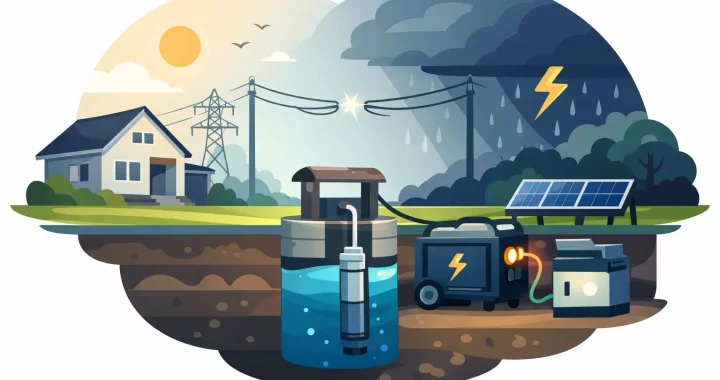
A portable power station can run many sump pumps, provided the unit has enough continuous wattage and enough surge capacity to handle motor startup. This is often the most practical clean-power option for homeowners who want quiet backup without fuel storage, fumes, or engine maintenance.

The key is matching the inverter and battery capacity to the pump. Sump pumps use electric motors, and motors pull more power at startup than during normal operation. If the power station cannot handle that surge, the pump may not start even if the listed running wattage looks acceptable.

Gas generators

Gas generators are still common for sump pump backup because they can run a pump for long periods as long as fuel is available. They also tend to handle motor surges well.

But there are trade-offs. They are noisy, require fuel storage, need outdoor placement, and can never be operated indoors or in enclosed spaces. During severe weather, refueling and setup may not be as convenient as people expect. For some homeowners, especially those looking for quieter and lower-maintenance backup, a battery-based system is a better fit.

Start with your sump pump’s actual power needs

If you want to know how to power sump pump equipment correctly, start with the pump label or owner’s manual. Look for voltage, amps, and horsepower.

Many residential sump pumps are 1/3 HP, 1/2 HP, or 3/4 HP. As a rough guide, a 1/3 HP sump pump may run in the 600 to 800 watt range, while startup surge can climb much higher. A 1/2 HP model may need around 800 to 1,050 running watts, with surge demands that can briefly double that. Actual numbers vary by model, age, plumbing resistance, and whether the discharge line is pushing water a long distance.

If the label lists amps instead of watts, multiply amps by voltage to estimate wattage. For example, 8 amps at 120 volts is about 960 watts. That gives you a baseline, but it still does not fully capture startup surge.

If you are unsure, it is smarter to size up rather than cut it close. Pumps are mission-critical loads. This is not the place for guesswork.

Inverter size matters as much as battery size

A common mistake is shopping by battery capacity alone. Watt-hours matter for runtime, but inverter output determines whether the pump can actually start and run.

For most sump pump applications, you want a pure sine wave inverter. That gives motor-driven equipment cleaner, more stable power. Modified sine wave systems may work with some pumps, but they can run hotter, less efficiently, or not at all depending on the motor design.

Look at two specs: continuous output and surge output. Continuous output is what the power station can deliver steadily while the pump is running. Surge output is the brief burst available when the motor starts. Both numbers need to clear the pump’s demands with some margin.

For many homes, that means choosing a backup unit that is larger than expected. A compact unit that handles phones, lights, and Wi-Fi may not be enough for a basement pump.

Estimating runtime without fooling yourself

Runtime depends on battery capacity and pump duty cycle. That second part matters more than many people realize.

If a sump pump runs for 10 seconds every minute, it uses far less energy than a pump that runs for 30 seconds every minute. During severe storms, cycling can increase dramatically. That means a setup that looks sufficient on paper may deliver much less real-world protection.

Here is a simple way to estimate. Take the usable battery watt-hours of your backup system and divide by the pump’s average watt draw over time, not just its active running wattage. If your pump uses 900 watts while active but only runs 25 percent of the time, the average load is closer to 225 watts. A 2,000Wh power station might then offer around 8 hours before inverter losses and real-world conditions are factored in.

That said, heavy water conditions can erase that margin fast. If your basement typically sees hard inflow during storms, plan for more capacity than the math suggests. Expandable battery systems can make a real difference here.

Solar charging can help, but timing matters

Solar charging sounds like the obvious answer, and in some cases it is useful. If an outage lasts through daylight hours, solar panels can help recharge a portable power station and extend protection.

But there is a practical limit. Many sump pump emergencies happen during dark, cloudy, storm-heavy conditions when solar input is weak. Solar should be viewed as a support option, not the only plan for basement flood protection. If you use it, pair it with enough stored battery capacity to get through the hours when charging is poor or unavailable.

A safer and more reliable setup

When choosing backup power for a sump pump, the best setup is usually the one that works automatically or with minimal intervention. During a storm, speed matters.

If you use a portable power station, test the system before you need it. Plug in the pump, confirm startup, and simulate operation. Make sure extension cords, if used, are rated properly for the load and kept as short as practical. Keep the power unit charged and stored in a dry, accessible place.

If your flood risk is high, think beyond minimum survival. A larger-capacity power station with pure sine wave output and room for expansion gives you more than backup power. It gives you time. That matters when roads are flooded, stores are closed, and the outage lasts longer than forecast. For homeowners comparing clean backup solutions, this is where systems from a specialist like Thundervolt Power make practical sense.

When a dedicated backup pump is the better choice

Some homes benefit from a layered approach. If your primary concern is basement flooding and nothing else, a dedicated battery backup sump pump can be the simplest answer. If you also want to run lights, routers, chargers, or a refrigerator during an outage, a portable power station becomes more flexible.

It really depends on your priority. Dedicated systems are focused. Portable energy storage is versatile. In homes with repeated storm issues, some owners use both – a secondary backup sump pump for automatic protection and a larger battery power system for broader outage coverage.

What to avoid

Do not assume horsepower alone tells you everything. Do not buy backup power based only on running watts. Do not wait until a weather alert is active to test your setup. And do not use indoor battery systems carelessly around water exposure, damaged cords, or overloaded adapters.

Just as important, do not treat a sump pump like an occasional convenience load. If your basement has flooded before, backup power is part of home protection, not an accessory.

The right answer depends on your basement, not just the product spec

Learning how to power sump pump equipment comes down to matching real pump demand with enough inverter headroom and enough battery capacity for the kind of outage you actually face. A small backup may be enough for light seepage and short interruptions. A high-water basement in storm season needs a more serious plan.

If you prepare before the next outage, you are not just keeping a pump alive. You are protecting floors, walls, storage, and the time and cost that come with water damage. The best backup power setup is the one you trust before the rain starts.

Emergency Power Essentials Guide

Emergency Power Essentials Guide

The lights usually go out at the worst possible time – during a heat wave, in the middle of dinner, or overnight when your phone is nearly dead and the Wi-Fi has already dropped. That is exactly why an emergency power essentials guide matters. When the grid is unstable, the goal is not to power everything you own. It is to keep the things that protect safety, comfort, and communication running without guesswork.

A good backup plan starts with priorities, not products. Most households do not need whole-home power to get through a short outage. They need a reliable way to run phones, lights, routers, medical devices, fans, a refrigerator, or a few kitchen basics. For longer outages, the plan changes. Runtime, recharging speed, solar input, and battery expansion become much more important than a simple outlet count.

What this emergency power essentials guide should help you decide

The first question is simple: what absolutely has to stay on? For one family, that may be a CPAP machine, phones, and a fridge. For another, it could be internet equipment for remote work, a sump pump during storms, or a window AC unit during a summer outage. Emergency power is personal, and the right setup depends on what failure looks like in your home.

That is why wattage and battery capacity matter, but so does context. A homeowner in hurricane season should think differently than an RV traveler or a contractor managing a jobsite interruption. The equipment can overlap, but the sizing logic is different. If you buy too small, you run out of power early. If you buy far too large for your real needs, you may spend more than necessary and still overlook recharging options.

Start with your critical loads

The most practical way to build a backup plan is to separate devices into three groups: must-run, nice-to-have, and wait-until-power-returns. Your must-run category is the foundation of the system.

For many homes, must-run loads include phones, flashlights or rechargeable lanterns, a modem and router, a refrigerator, and health-related equipment. In some cases, that also includes a fan, heated blanket, laptop, or small cooking device. If flooding is a risk, a sump pump may move into the top tier fast.

Once you know the devices, look at two numbers: running watts and how long you need them on. A refrigerator may not run continuously, but it still needs enough surge support to start. A CPAP may use modest wattage, yet it becomes a non-negotiable overnight load. A laptop is easy to power, but if your internet equipment dies after two hours, your workday still ends.

This is where many people make a common mistake. They focus on peak inverter output and ignore watt-hours. Watts tell you what the power station can run at one time. Watt-hours tell you how long it can keep those devices going. For outage planning, both matter.

Battery capacity is the real question during outages

If your outage is likely to last two to four hours, a compact portable power station may cover communications, lights, and device charging easily. If your local outages regularly stretch overnight or into multiple days, you need more stored energy and a clear recharging strategy.

That is where lithium systems, especially LiFePO4-based models, stand out. They offer long cycle life, dependable performance, and quiet operation without the fuel storage issues, fumes, or engine maintenance tied to gas generators. They are especially appealing for indoor-safe use where ventilation and noise are major concerns.

Still, battery-only backup has limits. If you need to run large loads for extended periods, capacity can disappear faster than expected. A microwave, coffee maker, electric kettle, or space heater can drain a system quickly. Even a fridge plus a few comfort items adds up over time. For that reason, many buyers are better served by a setup that can scale with expansion batteries or recharge from portable solar panels.

Inverter quality and output options matter more than people think

A battery with plenty of capacity is only part of the solution. The inverter determines what kind of devices you can run safely and reliably. Pure sine wave output is especially important for sensitive electronics, medical devices, and modern appliances. It provides cleaner, more stable power than modified sine wave systems.

Output variety also matters in real life. During an outage, you may need AC outlets for a refrigerator, USB ports for phones and tablets, DC outputs for smaller equipment, and possibly a 30A RV connection in mobile setups. A good emergency system should reduce the need for adapters and workarounds when time is already tight.

Fast recharging is another feature that deserves more attention. If grid power comes back for a short window and drops again, rapid recharge can make a major difference. The same goes for users who want to top off from solar between storm bands or while off-grid.

Solar can extend backup power, but expectations should be realistic

Solar charging is one of the biggest advantages of modern portable power systems, especially for multi-day outages. It can help keep essential loads running without relying on fuel deliveries or noisy engine-driven equipment. For remote travel and off-grid use, it adds flexibility that traditional generators cannot match as cleanly.

But solar is not magic. Weather, panel size, sun angle, and season all affect charging speed. A cloudy storm week is not the same as a clear summer day. If you are counting on solar to support emergency backup, panel wattage and battery size need to make sense together.

A small panel can help maintain phones, lights, and light electronics. It may not meaningfully replenish a large battery that has been running major appliances. On the other hand, a properly matched solar setup can turn a power station from short-term backup into a much more resilient system. The trade-off is cost, storage space, and setup time.

Choosing for home backup versus mobile use

One reason portable power appeals to so many buyers is that it can serve more than one job. The same unit that backs up your fridge at home may power an RV weekend, a campsite, or a tailgate. That flexibility has real value, especially if you want your emergency investment working year-round.

Still, there is a balance to strike. A system chosen mainly for camping convenience may fall short in a serious outage. A very large home-focused unit may be less practical if you need to move it often. Weight, handle design, wheel kits, charging speed, and expandability all become part of the buying decision.

For homeowners, the priority is usually runtime and appliance support. For RV users and campers, solar compatibility, portability, and versatile ports may matter more. Contractors may care most about durable output, recharge speed, and enough inverter headroom for tools. Families supporting medical devices tend to prioritize clean power, overnight reliability, and straightforward operation.

The emergency power essentials guide for better sizing

If you want to avoid buying twice, size for your real outage pattern. Think in terms of what you need during the first six hours, the first night, and day two. Those are different situations.

In the first six hours, communications and lighting usually come first. Overnight, refrigeration and sleep-related devices matter more. By day two, recharging becomes the main issue. If your plan does not include a way to refill the battery, even a powerful station becomes a countdown.

A practical setup often includes enough inverter capacity to cover startup surges, enough battery capacity to handle overnight essentials, and a recharge path that fits your environment. That may be AC wall charging, vehicle charging, solar input, or a mix. Expandable battery systems make particular sense for households that want to start with a strong base unit and add storage later.

For many buyers, this is where a curated retailer like Thundervolt Power is useful. The difference between a good spec sheet and a good emergency setup is knowing how those specs translate into fridge runtime, cooling support, device charging, and real-world outage performance.

What people forget to prepare

The power station itself is only part of readiness. You also need charged cables, extension cords rated for the load, a plan for refrigerator access, and a habit of keeping the unit topped off. If the battery is sitting half-charged when a storm hits, your effective runtime is already cut down.

It also helps to test the setup before you need it. Run a short drill at home. Plug in the devices you consider essential and see how your system performs. That small test often reveals the missing piece – maybe a longer cord, maybe more battery capacity, maybe a better understanding of what to leave unplugged.

Preparedness is rarely about having the biggest system. It is about having the right one, charged and ready, with enough capacity and flexibility to carry the loads that actually matter when power is not stable. If you build your backup plan around real priorities instead of assumptions, the next outage feels a lot less like a scramble and a lot more like a plan.

Best Solar Charger for RV: What to Buy

Best Solar Charger for RV: What to Buy

The wrong solar setup shows up fast in an RV. Your battery drops overnight, the fridge starts pulling harder in hot weather, and suddenly a panel that looked fine on paper is not keeping up. If you are trying to find the best solar charger for RV use, the real question is not which unit has the biggest marketing claim. It is which setup can reliably match how you camp, how long you stay off-grid, and what you need to power.

For most RV owners, a solar charger is not just a convenience accessory. It is part of a power plan. It helps keep batteries topped off, reduces generator run time, and gives you a quieter, cleaner way to stay prepared on the road. But the best option changes depending on whether you are maintaining a small house battery, charging a portable power station, or supporting a larger off-grid electrical setup.

How to choose the best solar charger for RV travel

The best place to start is with your actual power use. If you only need to keep lights, phones, a water pump, and a vent fan running, your needs are very different from someone trying to support a 12V fridge, laptops, a TV, and occasional appliance use. Solar charging works best when the panel input, battery capacity, and daily energy consumption are in balance.

Panel wattage matters, but it is not the whole story. A 200W panel sounds strong until you park in partial shade, travel during winter, or angle the panel flat on the roof and lose production. Real-world solar output is usually lower than the nameplate rating. That is why buying too close to your minimum daily need often leads to frustration.

Battery chemistry also matters. Many RV owners now prefer LiFePO4 because it offers long cycle life, stable performance, and better usable capacity than older lead-acid batteries. If your RV still uses lead-acid, your charging profile and usable battery capacity will be different. A solar charger that works well with one battery type may not be ideal for another unless the charge controller is properly matched.

Then there is portability. Some RV travelers want fixed roof panels for daily charging with no setup. Others want folding portable panels they can move into direct sun while the RV stays parked in the shade. Neither approach is automatically better. It depends on where you camp and how hands-on you want to be.

What makes a solar charger good enough for real RV use

A dependable RV solar charger needs more than decent panel output. It should be durable, reasonably efficient, and easy to integrate into the rest of your power system. That means looking closely at panel construction, connector compatibility, controller quality, and charging performance in less-than-ideal conditions.

Monocrystalline panels are generally the better fit for RV use because they offer stronger efficiency in a smaller footprint. Space is limited on an RV roof, and even ground-deployed portable panels need to earn their keep. Higher efficiency does not fix bad weather, but it helps you get more charging from the space you have.

The charge controller is just as important as the panel. If your solar charger includes or requires a controller, MPPT is usually the stronger choice for RV applications than PWM, especially on larger systems. MPPT controllers are more efficient and better at converting available solar input into usable battery charging power. They cost more, but on a serious RV setup, that extra performance often makes sense.

Weather resistance matters too. RV gear gets bounced around, stored in heat, used in dust, and sometimes deployed fast before a storm rolls in. A portable solar charger that feels flimsy in the driveway will not get better after a season of travel. Solid kickstands, reinforced corners, and dependable cables are not luxury features. They are part of reliability.

Best solar charger for RV owners by setup type

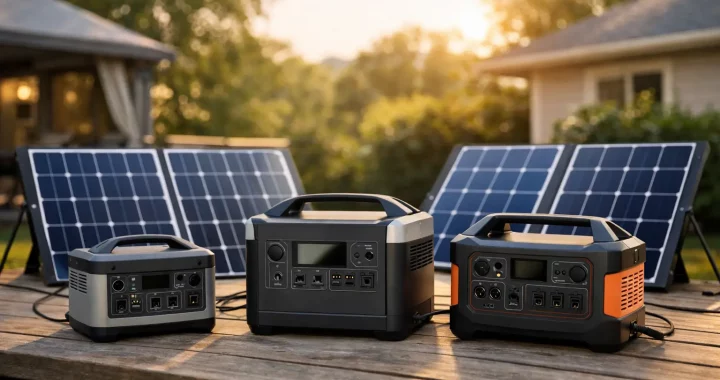
If you are charging a portable power station, the best solar charger is usually a folding panel or set of panels designed to match that station’s solar input range and connector type. This is one of the simplest ways to add clean power to an RV without modifying the vehicle’s electrical system. It works especially well for weekend travel, mobile work, and backup use beyond the campsite.

If you are maintaining a standard RV battery bank, a panel and controller combination is usually the better route. In this case, you want enough daily charging capacity to offset routine loads and recover after overnight use. For many RV owners, 200W to 400W is a realistic starting point for light to moderate energy needs, while heavier off-grid use may require 600W or more.

If you run a larger battery bank and inverter setup, your solar charger should be treated as part of a complete energy system, not a standalone gadget. At that level, charging speed, expansion capability, and battery storage become tightly connected. A bigger panel array with a quality MPPT controller can make a real difference in daily usability, especially when running appliances or staying out for extended periods.

This is also where a portable power station with solar input can make sense for RV owners who want modular power without a full custom install. Brands carried by retailers like Thundervolt Power often appeal to buyers in this category because they combine lithium storage, inverter output, and solar charging compatibility in a more approachable package.

Portable vs roof-mounted solar for RVs

Portable panels are often the better choice for flexibility. You can aim them directly at the sun, reposition them throughout the day, and keep your RV parked in cooler shade. That is a real advantage in hot climates, where direct sun on the RV can raise interior temperatures and force more fan or air conditioner use.

The trade-off is setup time and security. Portable panels need to be deployed, adjusted, and stored. They also take up cargo space. If you move often or want charging to happen automatically while driving or parked, roof-mounted panels are more convenient.

Roof-mounted systems are cleaner and more hands-off once installed. They are always working when sunlight is available, and there is nothing extra to carry outside. But roof space is limited, shading from vents or AC units can reduce output, and upgrades are more involved. If your camping style changes often, a fixed system can feel less adaptable.

For many RV owners, the best answer is a mix of both. A modest roof setup can cover baseline charging, while a portable panel adds extra input when you stay put for a few days. That kind of layered power strategy is often more dependable than relying on one source alone.

Common mistakes when buying the best solar charger for RV use

One of the biggest mistakes is choosing based on panel wattage alone. A 300W panel paired with the wrong controller, poor cable runs, or an undersized battery setup may still underperform. Another common problem is underestimating daily energy use. Fans, fridges, routers, laptops, and coffee makers add up faster than many buyers expect.

It is also easy to overlook charging speed. If your battery bank is large, a small panel may technically work but recover too slowly after overnight use. That leaves you in a constant power deficit, especially during cloudy stretches.

Compatibility creates problems too. Connector types, voltage ranges, controller settings, and battery requirements need to line up. This matters even more if you are using a solar charger with a portable power station. A good panel is only good if the system can actually use its output efficiently.

Finally, some RV owners buy for ideal weather and forget about real travel conditions. Trees, storms, winter sun angles, dust, and heat all affect charging. It is usually smarter to size a little above your expected need than to buy the absolute minimum and hope conditions stay perfect.

What size solar charger is best for an RV?

For battery maintenance and very light loads, a smaller panel setup may be enough. But for practical off-grid RV use, many travelers find that 200W is the low end of comfortable solar charging, not the high end. That might cover lights, device charging, and light battery recovery, assuming decent sun and disciplined power use.

At 400W, you gain more breathing room. That is often a strong range for RV owners who want to support moderate daily loads without constantly monitoring every watt. If you use a compressor fridge, work remotely, or camp off-grid often, this is where solar starts feeling more useful instead of merely helpful.

Above that, you are usually building around a more serious battery system or longer stays without shore power. The best size depends on your battery storage, inverter loads, and how willing you are to manage energy day to day. More panel is not wasteful if it shortens recharge time and improves reliability during weak sun conditions.

The best solar charger for RV life is the one that keeps your power stable when conditions are not ideal. That means buying for your real usage, not your lightest possible day. A little extra charging capacity can make the difference between cutting power use every evening and traveling with confidence. When you are miles from hookups and weather changes fast, reliability is what matters most.

Home Backup Power That Actually Fits Your Life

Home Backup Power That Actually Fits Your Life

The outage usually answers the question faster than any product page can. When the lights go out, the router dies, the fridge starts warming up, your phone battery drops into the red, and suddenly home backup power stops feeling optional.

For most households, the real challenge is not whether to prepare. It is choosing a system that matches the way you live. Some people need to keep a few essentials running for several hours. Others need overnight power for a refrigerator, medical device, work equipment, or a portable AC unit during a storm-related outage. The right setup depends on what you need to power, how long you need it, and how simple you want the solution to be when the grid fails.

What home backup power really needs to do

A backup system is only useful if it covers your actual pressure points. For one home, that might mean preserving food, charging phones, and keeping a few lights on. For another, it means supporting a CPAP machine, modem, laptops, and a sump pump. The best buying decisions start there, not with the biggest number on the box.

Power and energy are where many shoppers get tripped up. Wattage tells you how much power a device needs at a given moment. Watt-hours tell you how long your battery can supply that power. A system with high output but limited battery capacity may start an appliance just fine, but it may not run it for very long. On the other hand, a large battery with weak output may store plenty of energy while struggling with startup surges from motors and compressors.

That is why a practical home backup power plan should look at both sides of the equation. You need enough inverter output for the devices you want to run at the same time, and enough battery capacity to keep them going for the duration that matters.

Battery backup vs gas generators

Gas generators still have a place, especially for whole-home coverage or extended high-load use. But many homeowners are moving toward lithium battery systems because they solve problems gas units create. They run quietly, produce no fumes indoors, require no fuel storage, and start with the push of a button instead of a pull cord and a maintenance schedule.

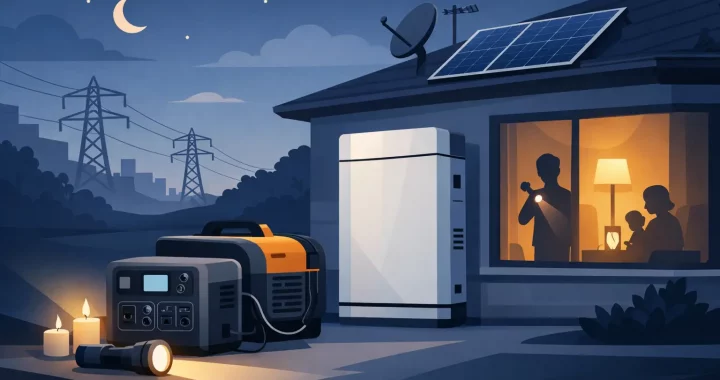
That matters more than it might seem. During a storm outage, a quiet battery system can sit inside your home and keep critical loads running without forcing you to manage gasoline, noise, or carbon monoxide risk. If you live in a neighborhood, have children sleeping, or need power overnight for medical or communication devices, battery backup becomes more than a convenience.

There are trade-offs. A portable power station will not replace a permanently installed standby generator for every household. If your goal is to run central air, electric water heating, and a full panel for days, you are looking at a different category of solution. But if your priority is dependable power for essentials, a well-sized lithium system is often the faster, cleaner, and easier answer.

How to size home backup power without overbuying

The fastest way to overspend is to buy for a vague idea of an emergency. The better approach is to build around the loads that matter most.

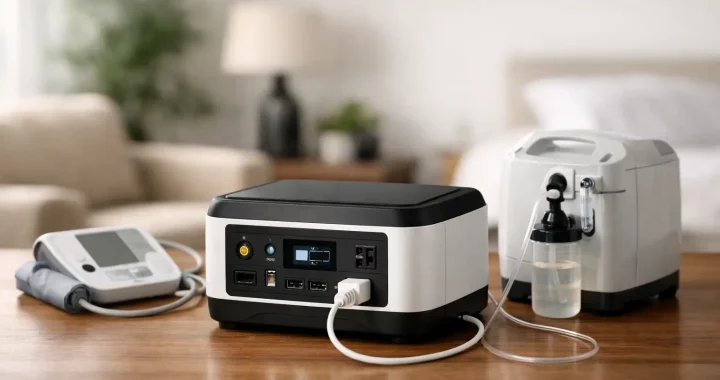
Start with your essentials. In many homes that means the refrigerator, internet equipment, phones, lights, laptops, and perhaps a microwave or coffee maker used occasionally. If someone in the home depends on a CPAP machine, oxygen concentrator, or refrigerated medication, those devices move to the top of the list immediately.

Then think in usage windows. You do not necessarily need to power everything at once. A refrigerator cycles on and off. A microwave runs for minutes, not hours. A laptop charger may only draw a modest load compared with a space heater or hair dryer. Once you think in real behavior instead of worst-case assumptions, the right capacity becomes clearer.

A smaller unit may be enough for communications, lighting, and personal electronics through a short outage. A mid-capacity system can usually handle a broader set of household essentials. Larger and expandable systems make more sense when you want longer runtime, higher inverter output, or support for heavier appliances. This is where LiFePO4 battery chemistry earns attention. It is valued for safety, long cycle life, and daily reliability, especially in systems meant to sit ready for the next outage.

What a portable power station can realistically run

This is where expectations need to be honest. Portable battery systems are excellent for electronics, routers, fans, TVs, CPAP machines, lights, mini fridges, and many full-size refrigerators depending on startup demand and runtime goals. Many can also support microwaves, coffee makers, power tools, and even some window AC units if the inverter output is high enough.

The limit usually shows up with sustained high-wattage heating loads. Space heaters, electric ovens, dryers, and whole-home HVAC can drain battery reserves quickly or exceed inverter capacity altogether. That does not make battery backup a weak option. It means it should be matched to the loads where it delivers the most value.

In practice, most families get the best results by covering critical circuits or essential plug-in devices first. Keep food cold. Keep the phones charged. Keep the internet on. Keep a fan, light, or medical device running. That level of preparation handles the most common outage pain points without forcing you into a larger system than you need.

Why solar charging changes the equation

A battery alone gives you stored energy. Solar adds the ability to refill it when the outage lasts longer than expected. That can be a major advantage in hurricane season, during regional grid strain, or in rural areas where restoration times can stretch.

Solar charging also makes backup power more flexible outside emergency use. The same system that covers an outage can support camping, RV travel, tailgating, jobsite work, or off-grid weekends. For many buyers, that dual use justifies investing in a larger unit or expandable battery setup. You are not paying for a device that sits idle. You are buying usable power that can move with you.

The important detail is recharge speed and panel compatibility. A battery system that supports fast AC charging gets back in service quickly between outages. A system that also accepts meaningful solar input gives you another recovery path when the grid is not available. For households that want more resilience without stepping into permanent installation territory, that combination is hard to beat.

Features that matter when power is not stable

Not every spec deserves equal attention. For home use, pure sine wave output is worth prioritizing because it is better suited for sensitive electronics and appliances. A strong inverter matters because many devices need extra power at startup. Clear displays, multiple outlet types, and straightforward controls matter because backup power should be simple under stress, not another problem to troubleshoot.

Expandability is another feature that can save money over time. If your initial goal is to cover essentials, an expandable platform lets you start there and increase runtime later. That is often a smarter path than jumping straight to a larger system before you know how your household actually uses backup power.

It also helps to think about portability honestly. A high-capacity unit with wheels and handles may be a better fit than an extremely heavy fixed battery box if you want to use it in different rooms, take it on the road, or store it securely between uses.

Choosing a system for your kind of outage

Short outages call for simplicity. If your area mostly sees brief interruptions, a compact or mid-sized battery system may cover nearly everything that matters. Longer outages require more planning, which usually means more battery capacity, solar recharging, or both.

Weather also changes the picture. In summer, your main concern may be refrigeration and airflow. In winter, it may be communication, lighting, and keeping critical devices powered while you rely on non-electric heating sources. Families working from home often place internet uptime and laptop power near the top of the list. Households with medical needs should build around those devices first and add convenience loads after.

This is where a curated backup solution matters. Thundervolt Power focuses on practical systems that emphasize quiet operation, dependable lithium performance, strong output, and expansion options for people who need real resilience without fuel storage or unnecessary complexity.

The best home backup power plan is the one you will use

Preparedness does not need to look like a whole-house overhaul. It can start with one dependable battery system sized for the essentials you refuse to lose during an outage. From there, you can add capacity, solar charging, or more appliance coverage as your needs become clearer.

The key is to buy for real life. Match the system to your critical devices, your outage patterns, and your tolerance for noise, fuel, and setup time. When the next storm hits or the grid drops unexpectedly, the best backup power is not the most dramatic option. It is the one that starts immediately, runs what matters, and lets your home keep functioning when power is not stable.

If you are choosing now instead of during the next outage, you are already ahead of the problem.

Fast Charging Solar Generator Buying Guide

Fast Charging Solar Generator Buying Guide

When the power goes out, charging speed stops being a nice extra and becomes the whole point. A fast charging solar generator can mean the difference between keeping your fridge cold before the next storm band hits or waiting half a day for enough stored power to come back online. The same goes for RV stops, job sites, and weekends off-grid – if your system takes too long to recharge, you end up planning around the battery instead of the battery working around you.

That is why shopping for one takes more than comparing price tags and battery size. Fast charging sounds simple, but it can describe wall charging, solar input, car charging, or a mix of all three. The better question is not just, “How fast does it charge?” It is, “How fast does it recharge in the way I will actually use it?”

What a fast charging solar generator really means

A solar generator is usually a portable power station paired with solar panels. It stores electricity in a battery, converts it through an inverter, and gives you usable outlets for AC devices, USB electronics, and often 12V gear. The “fast charging” part usually refers to how quickly the unit can refill its battery from an AC wall outlet, from solar panels, or from combined charging methods.

For many buyers, AC charging is the headline feature because it is the fastest way to get ready before a storm or leave for a trip. Some units can recharge from low battery to most of the way full in around an hour or two with high AC input. Others may need five to eight hours. That gap matters if outages are frequent, your travel schedule is tight, or you need to cycle the battery more than once in a day.

Solar charging speed is a little different. It depends on the generator’s maximum solar input, the actual wattage of your panels, panel angle, weather, time of day, and temperature. A unit can be marketed as fast charging, but if it only accepts modest solar input, its real off-grid recovery time may be limited.

Why charging speed matters more than many buyers expect

Battery capacity gets most of the attention, and for good reason. You need enough stored energy to run what matters. But recharge speed is what determines how quickly you can get back to full function.

At home, a bigger battery with slow recharge can leave you exposed after the first outage window. If the grid comes back briefly and then drops again, a unit with high AC input can recover much more usable capacity in that short interval. For weather-prone areas, that is practical resilience, not marketing language.

For RV travel and camping, fast recharging cuts idle time. You can top off at a campground, during a meal stop, or while the sun is strong, then keep moving. For contractors and mobile work, it reduces downtime between tool use and keeps phones, laptops, and battery chargers ready without hauling fuel.

There is a trade-off, though. Faster charging can sometimes mean more fan noise, more heat, or a higher upfront cost. Well-built systems manage those factors well, but they do not disappear entirely.

The specs that actually determine fast charging performance

If you want to compare a fast charging solar generator with confidence, focus on four numbers first: battery capacity, AC input, solar input, and inverter output. Each one affects a different part of real-world performance.

Battery capacity, measured in watt-hours, tells you how much energy the unit can store. A 2048Wh system can generally run longer than a 1024Wh system, but it also takes more energy to refill. A larger battery is useful, but only if recharge time still fits your routine.

AC input, usually listed in watts, tells you how quickly the generator can charge from a household outlet. Higher AC input usually means faster prep before an outage and faster recovery after use. If speed is a priority, this spec deserves close attention.

Solar input, also measured in watts, determines how much energy the unit can accept from panels. This is where many shoppers miss the mark. Pairing a large set of panels with a generator that has low solar input will bottleneck your charging speed. The power station and the panel array need to make sense together.

Inverter output matters because quick charging is only part of the equation. If the unit cannot run the devices you care about, fast refill does not help much. You need enough continuous wattage and surge capacity for loads like refrigerators, microwaves, CPAP machines, power tools, or portable air conditioners.

Battery chemistry matters too

For most buyers looking at dependable backup power, LiFePO4 is the better fit. It offers strong cycle life, better thermal stability, and longer-term value than older battery types. If you expect to use your system regularly for outages, travel, or daily off-grid support, that durability matters.

A cheaper battery can look attractive upfront. But if it degrades faster or offers fewer cycles, the lower price may not hold up over time.

How to choose the right size for your use case

The best fast charging solar generator for a homeowner is not always the best one for a camper or a tailgater. Start with what you need to power, then work backward.

For basic outage readiness, many households want to keep a refrigerator running, charge phones, power lights, support internet equipment, and maybe run a CPAP machine or television. That usually pushes buyers beyond entry-level units and into medium or large-capacity systems.

For RV use, the right setup depends on whether you are charging personal devices and small appliances or trying to support heavier loads like a microwave, coffee maker, or window AC. If AC use is part of the plan, inverter size and battery capacity become far more important.

For camping and tailgating, portability may matter more than maximum capacity. A lighter unit that charges quickly and supports phones, speakers, lights, and a cooler can be a better choice than a heavier station with more battery than you will actually use.

For job sites, durability and output flexibility matter just as much as speed. Multiple AC outlets, USB-C ports, and 12V outputs make it easier to support tools, chargers, and communication devices from one unit.

Fast charging solar generator setups for home backup

Home backup is where charging speed often delivers the clearest value. A storm warning comes in, and you may have only a few hours to get ready. If your unit can pull high AC input, you can bring it to full or near-full capacity before conditions worsen.

The same principle applies after an outage starts. If utility power returns briefly, a faster-charging system lets you recover more stored energy before the next interruption. That is especially useful for people supporting refrigerated food, sump pumps, communication gear, or medical devices.

Expandable systems deserve a look here. If your needs may grow, a generator that supports expansion batteries can give you more runtime without forcing a complete system replacement. Just remember that larger total battery capacity should still be matched with practical recharge options.

What to watch out for before you buy

Some product pages highlight “fast charging” without showing the full picture. A unit may charge quickly from AC but slowly from solar. Another may advertise high solar input, but only under ideal conditions with a large panel array that adds significant cost and storage bulk.

Pay attention to recharge claims that do not say from what source, or that use vague language like “up to” without context. You want the actual AC input rating, the actual solar input limit, and a realistic sense of how long a recharge will take.

Portability is another common compromise. Larger systems with strong output and fast charging are useful, but they are also heavier. That can be fine for home backup or RV use, less so for frequent carry-in, carry-out use.

Noise level matters too. Solar generators are much quieter than gas generators, but high-speed charging can activate cooling fans. For most people, that is a reasonable trade-off. It is still worth expecting some sound when the unit is pulling serious charging power.

Who should prioritize a fast charging solar generator

If you live in an area with unstable weather, rolling outages, wildfire-related shutoffs, or storm-driven power loss, fast charging is worth prioritizing. The same goes for buyers who depend on backup power for work, health, food storage, or family comfort.

It also makes sense for RV travelers, off-grid users, and anyone who wants to use stored power often rather than keep it tucked away for rare emergencies. The more often you cycle the battery, the more value you get from quick recharge.

Thundervolt Power focuses on this kind of practical readiness for a reason. People do not buy backup energy systems to admire spec sheets. They buy them to keep life moving when the grid, the weather, or the location does not cooperate.

A fast charging solar generator is not just about charging faster on paper. It is about shortening the gap between power used and power restored. If you choose one with the right battery chemistry, enough input capacity, and output that matches your real loads, you end up with a system that is ready when you need it and easy to use again the next time.